

Dallas, TX Drug & Alcohol Treatment Centers
Looking for help with addiction in Dallas, TX?
Insurance
Treatment Programs
Looking for help with addiction in Dallas, TX?

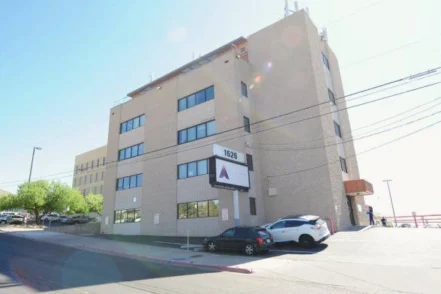
1626 Medical Center Street El Paso, Texas 79902

4800 Memorial Drive, Waco, TX 76711

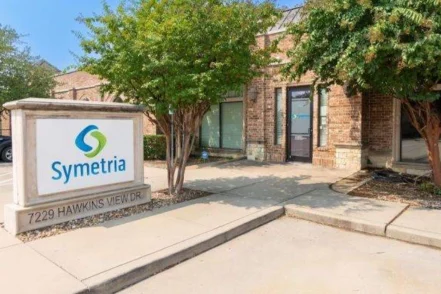
7229 Hawkins View Drive, Fort Worth, TX 76132

1011 North Cooper Street Arlington, Texas 76011

7510 Fm 1886 Azle, Texas 76020

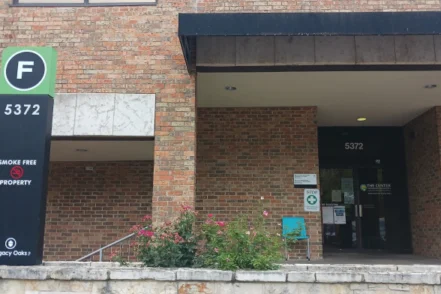
5372 Fredericksburg Road, Building F San Antonio, Texas 78229

6960 Dick Price Road, Mansfield, TX 76063

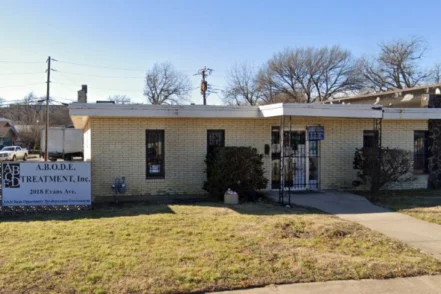
2018 Evans Avenue Fort Worth, Texas 76104

7400 Blanco Road, Suite 129 San Antonio, Texas 78216

1651 Rock Prairie Road, Suite 101 College Station, Texas 77845

214 Billings Street, Suite 240 Arlington, Texas 76010

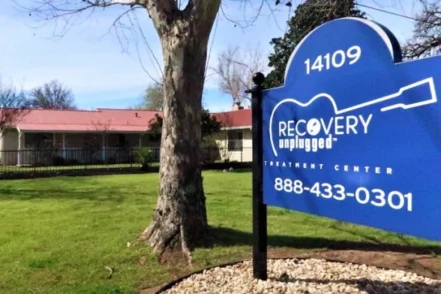
14109 Fm 969 Austin, Texas 78724

2301 Avenue J Arlington, Texas 76006

123 East Colorado Blvd Dallas, Texas 75203

1900 Wyoming Avenue El Paso, Texas 79903
Dallas holds the largest concentration of addiction treatment in North Texas, with 43 centers listed inside the city itself and dozens more across the surrounding cities that make up the wider metro. That range covers medical detox, residential programs, outpatient clinics, and sober living homes, so most people looking here can find every level of care without leaving the county.
Programs are clustered in a few distinct areas. Downtown, Uptown, and the neighborhoods near Baylor Scott and White’s medical district have a large share of the city’s listings. Northeast of downtown, Richardson and Garland add roughly 40 more programs between them along the US-75 and President George Bush Turnpike corridor.
West toward the airport, Irving has one of the largest nearby counts in the county, and east along I-635, Mesquite‘s radius holds a similar depth. Across this list of Dallas County cities, the total runs to roughly 55 listed centers.
That geography is why a Dallas search often turns up centers in Richardson or Irving as well. Dallas and its ring of suburbs function as one connected market rather than eight separate ones. A program in Garland is often a 20-minute drive up I-635 from a downtown address, and people in treatment here commonly start in one city and step down to outpatient or sober living in another a short freeway ride away.
Texas has no single statewide gate before starting treatment. If you have insurance or can pay privately, you can call a licensed program directly and ask for an assessment. For the publicly funded system, Dallas County’s route runs through the North Texas Behavioral Health Authority (NTBHA), which also covers Ellis, Hunt, Kaufman, Navarro, and Rockwall counties and operates a 24/7 line at (866) 260-8000. Statewide, 988 and 211 (text your ZIP code to 898211) both route to help.
Dallas itself carries the deepest bench of care in the county: detox, residential, and every level of outpatient treatment located within the city. What Dallas doesn’t have as much of is scattered farther out, which is the gap the suburb pages in this county exist to cover.
If sober living is part of your plan after treatment, Texas doesn’t license these homes the way it licenses clinical providers, but the Texas Recovery Oriented Housing Network (TROHN) certifies homes to national standards and keeps a public list, so you can check a specific home by name.
Working around a job while in outpatient care is realistic here. Dallas has enough sober living and step-down options concentrated near downtown and the medical district that evening and weekday-evening schedules are common, not the exception.
Dallas Love Field is roughly 7 miles from downtown, a 10 to 20 minute ride outside rush hour, and is the simpler choice if your program is in central or east Dallas. Dallas/Fort Worth International is farther out, roughly 20 to 24 miles and 35 to 45 minutes by car, and makes more sense if you’re headed to a program in Irving, Carrollton, or the northwest suburbs.
Many residential programs offer pickup for arriving clients; ask when you call, and confirm which airport your program actually recommends before booking. By car, I-35E runs north-south through downtown toward Carrollton, I-635 loops around north and east Dallas, and US-75 carries the Richardson corridor north toward Plano. I-30 and I-20 handle the west and south sides of the county.
DART’s four rail lines all pass through downtown Dallas, and the system reaches Richardson, Garland, Carrollton, and Irving, making outpatient treatment workable without a car if your program sits near a station.
Programs farther out in Grand Prairie, Mesquite, or Cedar Hill are a different story: none of those three cities has a DART rail stop, and getting to a Dallas program from any of them without a car generally means a longer bus ride with at least one transfer.
Dallas runs hot and humid from June through September, with highs regularly in the 90s and stretches above 100°F, so outdoor programming in midsummer tends to move to early mornings or indoors. The rest of the year is mild.
January’s average high sits around 56°F, snow is rare, and the ten months outside of true summer support outdoor programming on a normal daytime schedule. Spring does bring tornado season, generally March through May, which some programs work into their safety planning rather than their outdoor schedule.
White Rock Lake Park, with more than 9 miles of paved trail around a 1,015-acre lake, is close enough to several central Dallas programs to serve as a regular walking or running route.
Klyde Warren Park, built over a stretch of freeway near downtown, hosts free fitness classes that some local groups use for early recovery exercise. The Katy Trail and the longer Trinity Skyline Trail along the Trinity River give a flatter, shadier option for people who want distance without hills.
Dallas’s recovery community isn’t concentrated in one neighborhood the way some smaller cities’ are; it’s spread across Uptown, East Dallas, and Oak Cliff, with a mix of fitness-driven and faith-based options in each. What ties it together is scale.
A metro this size supports sober social events, running groups, and recovery-focused gyms in numbers that a smaller Texas city simply can’t match. For someone deciding whether to stay in Dallas after treatment or return home, that scale is the case for staying.
Outpatient care, specialty programs, and a peer community are all available inside the same city, which means a step-down plan doesn’t require relocating to a different part of the state.
Most residential programs limit contact for the first several days or weeks, then set scheduled visiting hours or family weekends. Ask admissions for the family contact policy and any family-program dates before you book a flight.
For lodging, staying near downtown or Uptown, close to a DART rail stop, keeps you within a short ride of programs across most of the county, including Richardson and Garland to the northeast. If your loved one’s program is in Irving or Carrollton, staying closer to that side of the metro will cut your drive time.
Between visits, White Rock Lake and Klyde Warren Park are easy, low-key places to spend a few hours. Many Dallas programs also run family therapy sessions or education groups. If your loved one’s program offers one, take the seat; family involvement is one of the stronger predictors of how treatment goes.
Ready to compare programs? Browse the Dallas listings above, or look at treatment centers across Texas.
Common questions about arriving, getting around, and what to expect from treatment in Dallas. If a question is not covered here, a program’s admissions team can answer it directly.
If you have insurance or can pay privately, call a licensed program directly and ask for an assessment. For the publicly funded system, the North Texas Behavioral Health Authority is Dallas County’s entry point, with a 24/7 line at (866) 260-8000. Statewide, 988 and 211 both route to help.
Dallas Love Field is closer to downtown, about 7 miles, and is the simpler choice for programs in central or east Dallas. Dallas/Fort Worth International is farther out but makes more sense for programs on the northwest side of the metro. Ask your program which one it recommends.
It depends on where the program is. DART rail reaches downtown Dallas and connects directly to Richardson, Garland, Carrollton, and Irving, so outpatient care near a station is workable without a car. Programs in Grand Prairie, Mesquite, or Cedar Hill are outside the rail network, and a car makes outpatient scheduling much easier from those cities.
Many Dallas outpatient and intensive outpatient programs run evening or weekday-evening tracks specifically so people can keep a job or classes going. Ask a program directly about its schedule before ruling out outpatient care.
The largest share sits in and around downtown, Uptown, and the medical district near Baylor Scott and White. Searching Dallas will also surface centers in Richardson, Garland, Irving, and Mesquite, since the county functions as one connected market rather than separate ones.
Most residential programs allow visits after an early adjustment period, on a schedule the program sets. Many also offer family therapy sessions or family weekends. Staying near downtown or a DART stop makes it easy to divide time between visits and programs elsewhere in the county.