
About BVCASA Brazos Valley Council on Alcohol and Substance Abuse
BVCASA (Brazos Valley Council on Alcohol and Substance Abuse) is a non-profit substance use treatment organization serving adults and adolescents across a seven county region in Central Texas. Their community rooted and evidence based approach is built to meet clients where they are from first screening to long term recovery support.
Residential Treatment for Justice Involved Clients
BVCASA’s Adult Residential Transitional Treatment Center in Bryan uses a therapeutic community model to support justice involved clients transitioning back into the community.
Funded through the Texas Department of Criminal Justice this co-ed residential program specifically serves adult chemically dependent offenders referred through TDCJ related pathways. The therapeutic community framework focuses on rebuilding family ties, employment readiness, and community connection.
Ongoing recovery is reinforced through the structured Supportive Outpatient Continuum of Care program which runs nine months and incorporates the Seeking Safety curriculum, peer support, psychoeducation, and mandatory 12 step participation.
Adult and Youth REACH Programs
Adult outpatient services through the REACH Recovery program begin with a one-on-one screening and psychosocial assessment with a Licensed Chemical Dependency Counselor. Intensive outpatient treatment provides a minimum of 12 hours per week covering chemical dependency counseling, group therapy, education, and life skills training.
BVCASA’s Youth REACH program serves adolescents using the state required Cannabis Youth Treatment curriculum alongside CBT groups, Motivational Enhancement Therapy, and parent education sessions.
Addiction Treatment Programs

Alcohol Rehab
If you’re ready to overcome alcohol use disorder, an alcohol rehab in Texas can give you the tools you need. High-quality treatment lays a foundation for sobriety and helps prevent relapses by giving you new ways of thinking, better coping skills, and a better understanding of key life skills such as emotional regulation and communication.

Opioid Addiction
The goal of an opioid rehab in Texas is to give you the tools and skills you need to achieve long-term recovery. Whether you need detox, inpatient treatment, or outpatient care, an opioid program will help you build a new lifestyle based on healthy coping mechanisms, better relationships, and a new way of thinking about life.

Drug Rehab
In Texas, a drug rehab provides a combination of therapy and education to help clients overcome substance misuse. Common services include counseling and classes on coping skills, emotional management, communication, and other key life skills. Drug rehab programs can provide inpatient or outpatient treatment.

Adult Program
An adult program in Texas addresses the unique need of adults, such as finding secure housing, building a career, and raising a family. Adults often have challenges related to their careers, raising a family, and handling responsibilities. These concerns are addressed during evidence-based detox, inpatient treatment, and outpatient care.

Men's Rehab
Choosing a men’s rehab in Texas can be a great way to manage gender-specific issues while also addressing substance use. Men often have questions about building their careers, being fathers, and having healthy communication styles. These concerns are addressed along with typical evidence-based detox, inpatient treatment, and outpatient care.

Women's Rehab
If you’re a woman struggling with substance use, consider a women’s rehab program in Texas. Women often have questions about building their careers, raising children, and building healthy relationships. These concerns are addressed along with typical evidence-based detox, inpatient treatment, and outpatient care.

Young Adult Rehab
Young adult rehabs in Texas address a wide range of substance use issues while also helping clients transition into adulthood. Young adults often have questions about starting their careers, having a family, and living independently without overspending. These concerns are addressed along with typical evidence-based detox, inpatient treatment, and outpatient care.
Insurance Coverage

Financial aid
If you qualify, using financial aid programs can help pay for substance use treatment in Texas. Community groups or non-profits in your area may offer assistance, or you might find a treatment program that has grants or scholarships.
Levels of Care
- 1
Inpatient Rehab
There are multiple options for addiction treatment in Texas. During inpatient treatment, you live at the facility and are able to focus on creating a new way of life. Inpatient treatment programs generally last 30 to 90 days and include counseling and classes on emotional regulation, coping strategies, and other vital life skills.
- 2
Outpatient Rehab
Attending outpatient treatment in Texas allows you to get evidence-based care without living in the facility, helping you establish long-term recovery. Finishing residential treatment is a big step, and outpatient care allows you to have support while you learn to apply your new skills and habits in real life situations.
- 3
Aftercare Support
Overcoming substance use is a lifelong process. Aftercare in Texas gives you the support you need to stay sober. Relapse prevention is a lifelong project, and having aftercare support like sober housing, recovery-focused activities, and a place to build healthy friendships can make all the difference.
Therapies

Cognitive Behavior Therapy
In Texas, cognitive behavioral therapy (CBT) helps you identify wrong thinking that can create impulsive actions. This makes it much easier to reach long-term recovery. As you learn to identify thought disortions, your confidence in your ability to manage a wide variety of situations will grow. You’ll have the tools you need to address problems and manage triggers in a healthy way.

Family Therapy
Attending family therapy in Texas is a way to address broken relationships and dysfunction, helping you establish long-term recovery. Substance use treatment includes detox, inpatient treatment, and outpatient care, and family therapy may be a part of each of these stages. The goal is to help families address past events and broken relationships and develop healthy ways of relating to each other.

Group Therapy
Attending group therapy in Texas is a way to overcome shame and isolation, helping you establish long-term recovery. Sessions generally last 60 to 90 minutes and give you a chance to discover others’ experiences, hear about the impact of substance use, and learn important new life skills.

Individual Therapy
During individual therapy in Texas, clients work with a professional to address specific individual concerns. During individual therapy, you have the freedom and confidentiality to share personal issues and past experiences that may impact your substance use. Your therapist will help you work through those concerns and develop new ways of handling them.

Rational Behavioral Therapy
Rational behavior therapy in Texas helps you address the false beliefs that are holding you back from a better life. As you learn to identify wrong beliefs, your confidence in your ability to manage a wide variety of situations will grow. You’ll have the tools you need to address problems and manage triggers in a healthy way.
Accreditations


Location
Contact BVCASA Brazos Valley Council on Alcohol and Substance Abuse

 Sponsored
Treatmentcentersdirectory.com regularly reviews this listing for accuracy but changes may occur between updates. For the most up-to-date information, please contact BVCASA Brazos Valley Council on Alcohol and Substance Abuse.
Top Drug Rehab Centers in Texas
-
 Texas
TexasLa Hacienda Outreach
7400 Blanco Road, Suite 129 San Antonio, Texas 78216
-
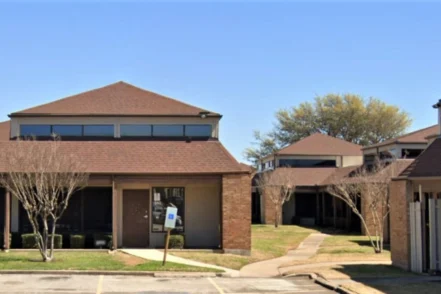 Texas
TexasCDHS Inc
214 Billings Street, 240, Arlington, TX 76010
-
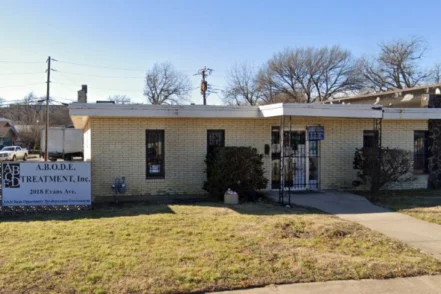 Texas
TexasABODE Treatment Fort Worth Evans Avenue
2018 Evans Avenue Fort Worth, Texas 76104
-
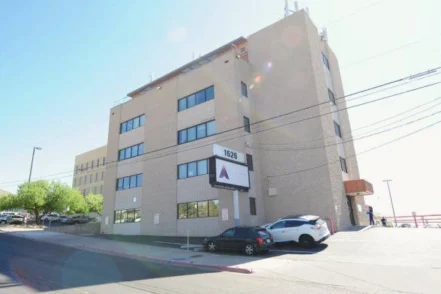 Texas
TexasAliviane Imastar
1626 Medical Center Street El Paso, Texas 79902
-
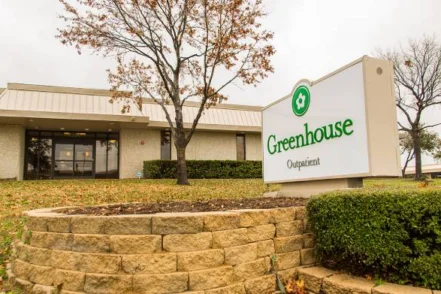 Texas
TexasGreenhouse Outpatient Treatment Center
2301 Avenue J Arlington, Texas 76006
-
 Texas
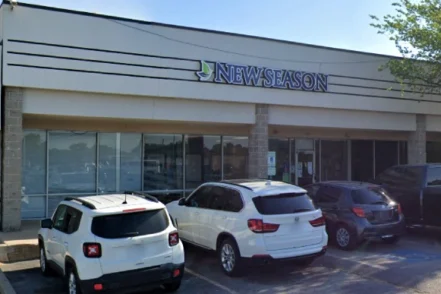
TexasNew Season Treatment Center – Dallas Westmoreland
1050 North Westmoreland Road, Suite 330, Dallas, TX 75211
-
 Texas
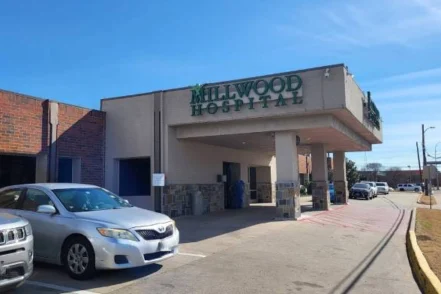
TexasMillwood Hospital
1011 North Cooper Street Arlington, Texas 76011
-
 Texas
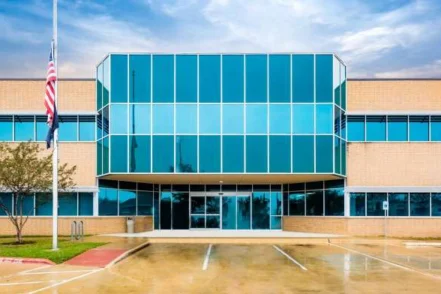
TexasSymetria Recovery College Station
1651 Rock Prairie Road, Suite 101 College Station, Texas 77845
-
 Texas
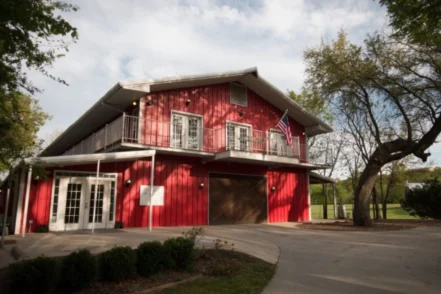
TexasStonegate Center
7510 Farm to Market Road 1886, Azle, TX 76020
-
 Texas
TexasDoris Miller VA Medical Center
4800 Memorial Drive, Waco, TX 76711
-
 Texas
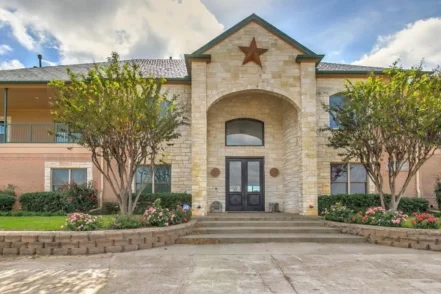
TexasRiverwalk Ranch
6960 Dick Price Road, Mansfield, TX 76063
-
 Texas
TexasEl Paso Behavioral Health System
1900 Wyoming Avenue El Paso, Texas 79903
-
 Texas
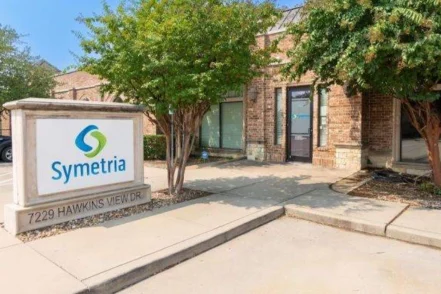
TexasSymetria — Fort Worth Outpatient Rehab & Suboxone Clinic
7229 Hawkins View Drive, Fort Worth, TX 76132
-
 Texas
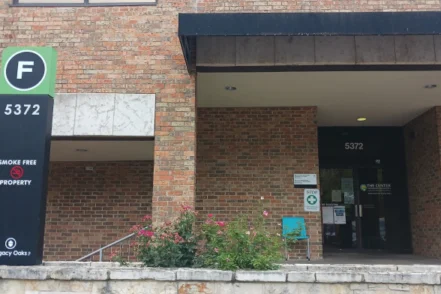
TexasCenter for Healthcare Services – Northwest Clinic
5372 Fredericksburg Road, San Antonio, TX 78229
-
 Texas
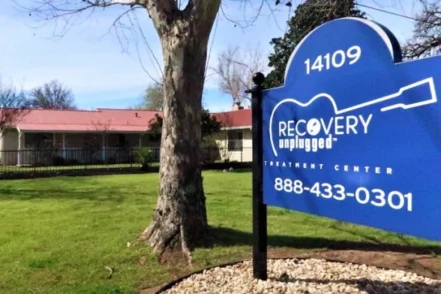
TexasRecovery Unplugged Residential Treatment Center
14109 Farm to Market 969, Austin, TX 78724
Other Popular Texas Cities
Browse by Texas cities
- Caldwell
- Cameron
- Canton
- Canyon
- Canyon Lake
- Carrizo Springs
- Carrollton
- Carthage
- Castle Hills
- Cedar Creek
- Cedar Hill
- Cedar Park
- Center
- Center Point
- Channelview
- Childress
- Clarendon
- Clarksville
- Cleburne
- Clute
- Coleman
- College Station
- Colorado
- Comanche
- Conroe
- CONVERSE
- Corpus Christi
- Corsicana
- Cotulla
- Crosbyton
- Cypress