
About Recovery Unplugged Encore
Residential treatment at Recovery Unplugged, an addiction treatment center in Austin, Texas, includes monitoring around the clock. A stay is typically 30 days, though it can run from 14 to 90.
They also offer partial hospitalization for 2 to 6 weeks, intensive outpatient for 6 to 12 weeks, and outpatient care with no overnight stay. They serve men, women, and LGBTQ+ folks.
Daily Life at the Austin Center
The grounds have a pool, walking trails, and a fitness center, so part of the day can be outdoors, and there’s gourmet dining.
Plus, Recovery Unplugged is pet friendly, and a dog can stay with you during treatment (other animal companions can too).
Music runs through the care here, and they use it to help people build trust and work through trauma. You’ll also have group therapy and one-on-one counseling, and family therapy works on how people in a family talk to each other.
Towns Near the Austin Center
So if you’re in Georgetown, Pflugerville, or San Marcos, those towns are within easy reach, and Round Rock and Cedar Park are too. When family lives in one of those towns, they don’t have to move to Austin to stay close to someone at Recovery Unplugged.
They don’t take Medicaid or Medicare. They work with some of the larger insurers, and there’s financing if you qualify.
Addiction Treatment Programs

Alcohol Rehab
If you’re ready to overcome alcohol use disorder, an alcohol rehab in Texas can give you the tools you need. High-quality treatment lays a foundation for sobriety and helps prevent relapses by giving you new ways of thinking, better coping skills, and a better understanding of key life skills such as emotional regulation and communication.

Dual Diagnosis
Recovery Unplugged offers integrated dual diagnosis treatment, so addiction care and mental health treatment happen together.

Opioid Addiction
The goal of an opioid rehab in Texas is to give you the tools and skills you need to achieve long-term recovery. Whether you need detox, inpatient treatment, or outpatient care, an opioid program will help you build a new lifestyle based on healthy coping mechanisms, better relationships, and a new way of thinking about life.

Adult Program
An adult program in Texas addresses the unique need of adults, such as finding secure housing, building a career, and raising a family. Adults often have challenges related to their careers, raising a family, and handling responsibilities. These concerns are addressed during evidence-based detox, inpatient treatment, and outpatient care.

LGBTQ Friendly Rehab
Offering specialized substance use treatment for the LGBTQ+ community, LGBTQ+ friendly rehabs in Texas provide a safe space to work on recovery. Some of the common services will include counseling and classes on coping skills, emotional management, communication, and other key life skills. LGBTQ+ friendly programs can provide inpatient or outpatient treatment.

Military Rehab
A military rehab in Texas provides an understanding environment that makes it easier to work on your long-term recovery. Service members and veterans have often experienced trauma civilians can’t imagine. These concerns are addressed along with typical evidence-based detox, inpatient treatment, and outpatient care.

Young Adult Rehab
Young adult rehabs in Texas address a wide range of substance use issues while also helping clients transition into adulthood. Young adults often have questions about starting their careers, having a family, and living independently without overspending. These concerns are addressed along with typical evidence-based detox, inpatient treatment, and outpatient care.

Men's Rehab
Choosing a men’s rehab in Texas can be a great way to manage gender-specific issues while also addressing substance use. Men often have questions about building their careers, being fathers, and having healthy communication styles. These concerns are addressed along with typical evidence-based detox, inpatient treatment, and outpatient care.

Women's Rehab
If you’re a woman struggling with substance use, consider a women’s rehab program in Texas. Women often have questions about building their careers, raising children, and building healthy relationships. These concerns are addressed along with typical evidence-based detox, inpatient treatment, and outpatient care.

Drug Rehab
In Texas, a drug rehab provides a combination of therapy and education to help clients overcome substance misuse. Common services include counseling and classes on coping skills, emotional management, communication, and other key life skills. Drug rehab programs can provide inpatient or outpatient treatment.

Intensive Outpatient Program (IOP)
Insurance Coverage

Self-pay options
When you use self-pay for rehab in Texas, you have a chance to choose any treatment center you like. Self-pay, also known as private pay, involves writing a check, using a medical loan from a bank or credit union, or sending money electronically. Payment arrangements may vary depending on the level of care.

Private insurance
The program works with United Healthcare, Blue Cross Blue Shield, and Optum, plus Cigna, Aetna, and Humana.

Financing available
You can use a financing option if you qualify.
Levels of Care
- 1
Detox Treatment
The first step to a substance-free lifestyle is detox in Texas. When you are free of all substances, which may take around a week, you’ll be ready to start building a bright future where you can chase your dreams and create the life you love.
- 2
Inpatient Rehab
There are multiple options for addiction treatment in Texas. During inpatient treatment, you live at the facility and are able to focus on creating a new way of life. Inpatient treatment programs generally last 30 to 90 days and include counseling and classes on emotional regulation, coping strategies, and other vital life skills.
- 3
Outpatient Rehab
Attending outpatient treatment in Texas allows you to get evidence-based care without living in the facility, helping you establish long-term recovery. Finishing residential treatment is a big step, and outpatient care allows you to have support while you learn to apply your new skills and habits in real life situations.
- 4
Sober Living Homes
Sober living in Texas is focused on giving you a substance-free place to live, giving you the support you need to stay sober long-term. Relapse prevention is a lifelong project, and having support like sober living, recovery-focused activities, and a place to build healthy friendships can make all the difference.
- 5
Partial Hospitalization Program
Partial hospitalization in Austin runs 2 to 6 weeks, with drug and alcohol rehab plus counseling from a certified or board-eligible psychiatrist.
- 6
Intervention Services
Sometimes your friend or loved one needs intervention services in Texas before they’ll agree to begin treatment. Intervention services can be exactly what your loved one needs to realize the impact of their substance use on others and their need for rehab.
Therapies

Cognitive Behavior Therapy
In Texas, cognitive behavioral therapy (CBT) helps you identify wrong thinking that can create impulsive actions. This makes it much easier to reach long-term recovery. As you learn to identify thought disortions, your confidence in your ability to manage a wide variety of situations will grow. You’ll have the tools you need to address problems and manage triggers in a healthy way.

Creative Arts Therapy
If you’re struggling with substance use in Texas, creative arts therapy can help you work through emotions so you can make positive changes. During creative arts therapy, you’ll work through activities that will help you understand and express deeply held feelings. Understanding these root issues can make it easier to create positive changes.

Dialectical Behavior Therapy
In Texas, dialectical behavioral therapy (DBT) helps you learn healthy coping strategies and build your ability to manage stressful situations. This makes it much easier to reach long-term recovery. As you learn helpful coping strategies, your confidence in your ability to manage a wide variety of situations will grow. You’ll have the tools you need to address problems and manage triggers in a healthy way.

Experiential Therapy
In Texas, experiential therapy is a holistic therapy that is widely used in addiction treatment. Experiential therapy is a complement to traditional evidence-based treatment approaches and may be a part of inpatient treatment, outpatient care, or both

Family Therapy
Attending family therapy in Texas is a way to address broken relationships and dysfunction, helping you establish long-term recovery. Substance use treatment includes detox, inpatient treatment, and outpatient care, and family therapy may be a part of each of these stages. The goal is to help families address past events and broken relationships and develop healthy ways of relating to each other.

Group Therapy
Attending group therapy in Texas is a way to overcome shame and isolation, helping you establish long-term recovery. Sessions generally last 60 to 90 minutes and give you a chance to discover others’ experiences, hear about the impact of substance use, and learn important new life skills.

Individual Therapy
During individual therapy in Texas, clients work with a professional to address specific individual concerns. During individual therapy, you have the freedom and confidentiality to share personal issues and past experiences that may impact your substance use. Your therapist will help you work through those concerns and develop new ways of handling them.

Trauma Therapy
Trauma-informed therapy in Texas can provide a way to process past events and create better coping strategies as you work through substance use treatment. Because trauma can be a significant trigger for substance use, trauma-informed therapy will help you understand what happened to you, realize that it was wrong, and create a healthier way of relating to that memory and the emotions you feel.

Fitness Therapy
Motivational Interviewing
Accreditations

Location
Contact Recovery Unplugged Encore


 Sponsored
Treatmentcentersdirectory.com regularly reviews this listing for accuracy but changes may occur between updates. For the most up-to-date information, please contact Recovery Unplugged Encore.
Top Drug Rehab Centers in Texas
-
 Texas
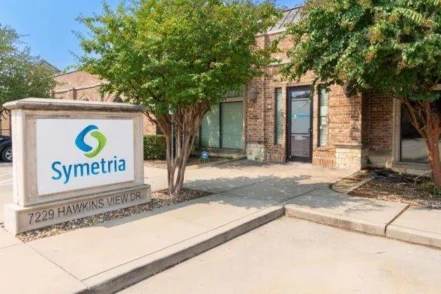
Symetria — Fort Worth Outpatient Rehab & Suboxone Clinic
7229 Hawkins View Drive, Fort Worth, TX 76132
-
 Texas
Doris Miller VA Medical Center
4800 Memorial Drive, Waco, TX 76711
-
 Texas
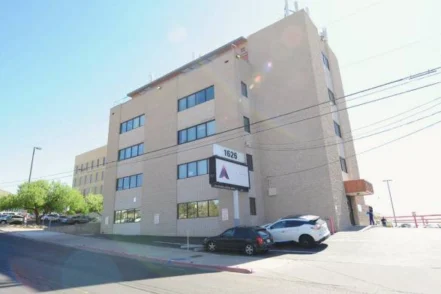
Aliviane Imastar
1626 Medical Center Street El Paso, Texas 79902
-
 Texas
El Paso Behavioral Health System
1900 Wyoming Avenue El Paso, Texas 79903
-
 Texas
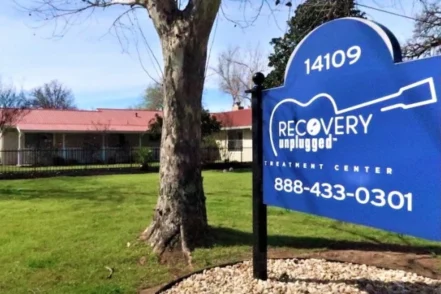
Recovery Unplugged Residential Treatment Center
14109 Farm to Market 969, Austin, TX 78724
-
 Texas
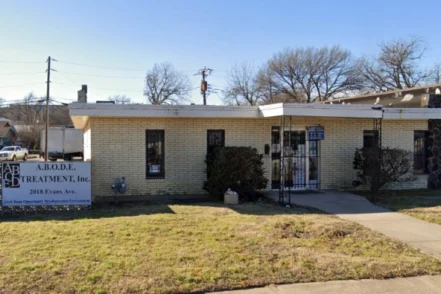
ABODE Treatment Fort Worth Evans Avenue
2018 Evans Avenue Fort Worth, Texas 76104
-
 Texas
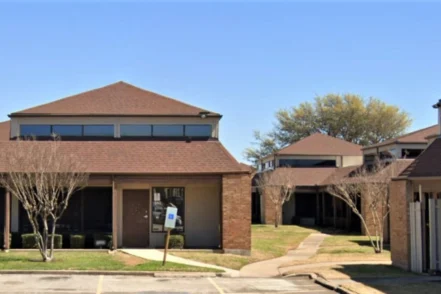
CDHS Inc
214 Billings Street, 240, Arlington, TX 76010
-
 Texas
La Hacienda Outreach
7400 Blanco Road, Suite 129 San Antonio, Texas 78216
-
 Texas
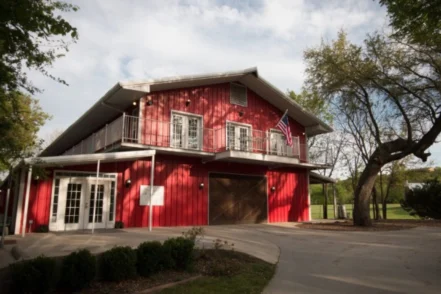
Stonegate Center
7510 Farm to Market Road 1886, Azle, TX 76020
-
 Texas
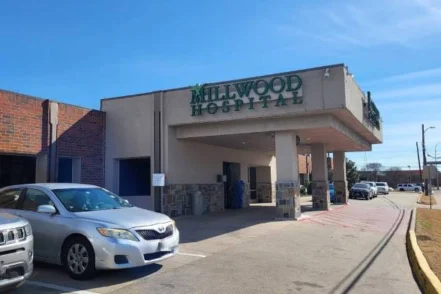
Millwood Hospital
1011 North Cooper Street Arlington, Texas 76011
-
 Texas
Symetria Recovery College Station
1651 Rock Prairie Road, Suite 101 College Station, Texas 77845
-
 Texas
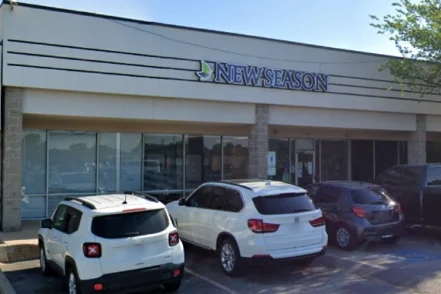
New Season Treatment Center – Dallas Westmoreland
1050 North Westmoreland Road, Suite 330, Dallas, TX 75211
-
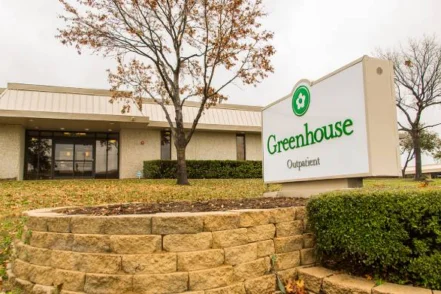 Texas
Greenhouse Outpatient Treatment Center
2301 Avenue J Arlington, Texas 76006
-
 Texas
Riverwalk Ranch
6960 Dick Price Road, Mansfield, TX 76063
-
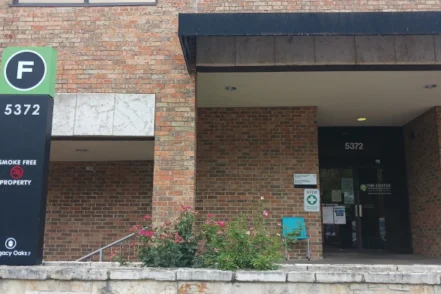 Texas
Center for Healthcare Services – Northwest Clinic
5372 Fredericksburg Road, San Antonio, TX 78229
Other Popular Texas Cities
Browse by Texas cities
- Caldwell
- Cameron
- Canton
- Canyon
- Canyon Lake
- Carrizo Springs
- Carrollton
- Carthage
- Castle Hills
- Cedar Creek
- Cedar Hill
- Cedar Park
- Center
- Center Point
- Channelview
- Childress
- Clarendon
- Clarksville
- Cleburne
- Clute
- Coleman
- College Station
- Colorado
- Comanche
- Conroe
- CONVERSE
- Corpus Christi
- Corsicana
- Cotulla
- Crosbyton
- Cypress
FAQs
What levels of care does Recovery Unplugged Encore offer in Austin?
Partial hospitalization and intensive outpatient. You’ll find PHP programs in Austin that run 2 to 6 weeks, with drug and alcohol rehab plus counseling from a certified or board-eligible psychiatrist. The intensive outpatient program runs 6 to 12 weeks for alcohol and drug addiction care.
Which communities are within easy reach of the Austin program?
Round Rock and Cedar Park are within easy reach, and so are Georgetown, Pflugerville, and San Marcos. The surrounding areas are within reach too, so there’s a handful of communities close to the program.
How can you pay for treatment at Recovery Unplugged Encore?
The program works with United Healthcare, Blue Cross Blue Shield, and Optum, plus Cigna, Magellan, Aetna, Ambetter, and Humana. There’s also financing for people who qualify.
How many weeks does each Austin program take?
The partial hospitalization program runs 2 to 6 weeks, and intensive outpatient runs 6 to 12 weeks. That’s how long the Austin drug and alcohol programs last, and the shorter program includes counseling with a certified or board-eligible psychiatrist.
What therapies show up in treatment here?
Cognitive behavioral therapy works on unhelpful thought patterns, and dialectical behavioral therapy builds skills like mindfulness and distress tolerance. There’s also experiential work with role-play, music, and art, plus motivational interviewing. Music runs through the Austin care, and dual diagnosis care treats addiction and mental health together.