Baltimore, MD Drug & Alcohol Treatment Centers
14 results nearby
Looking for help with addiction in Baltimore, MD?

Insurance
Treatment Programs
Looking for help with addiction in Baltimore, MD?
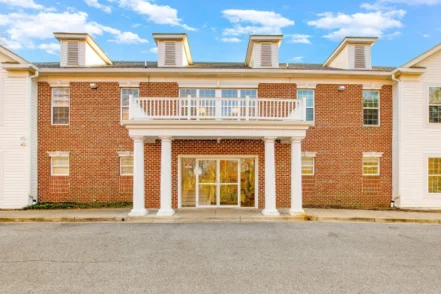
125 Fairground Road Prince Frederick, Maryland 20678
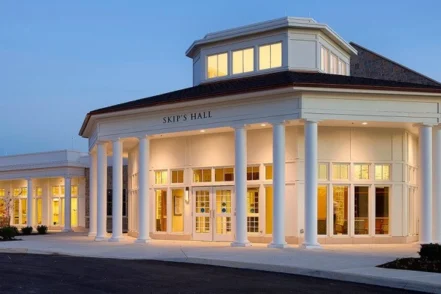
800 Tydings Lane Havre De Grace, Maryland 21078
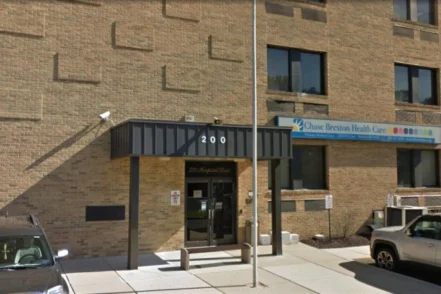
200 Hospital Drive, #300, Glen Burnie, MD 21061
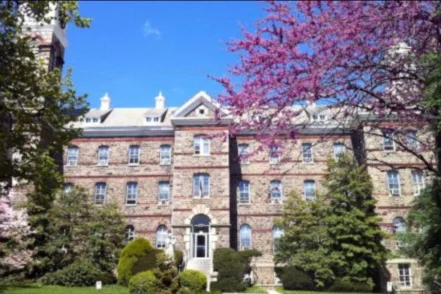
9701 Keysville Road Emmitsburg, Maryland 21727
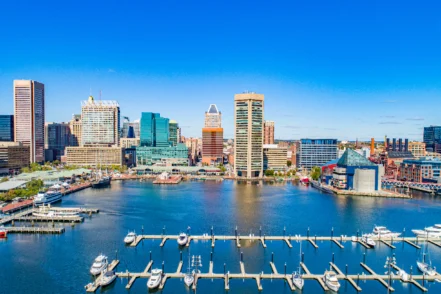
6401 Dogwood Road, Suite 201 Pikesville, Maryland 21207
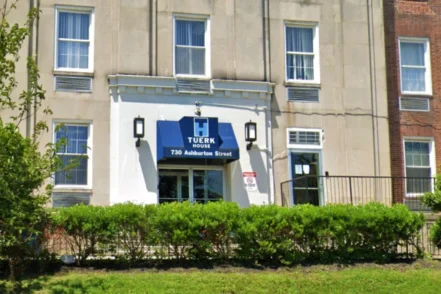
730 Ashburton Street, Baltimore, MD 21216
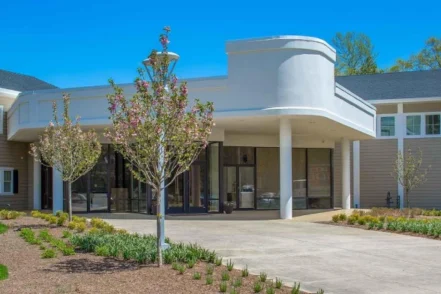
11100 Billingsley Rd Waldorf, Maryland 20602
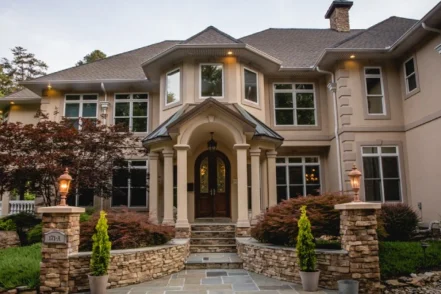
171 A Ryan Road Pasadena, Maryland 21122
8600 Lasalle Road, Suite 212 Towson, Maryland 21286
Baltimore has one of the most robust addiction treatment center infrastructures on the East Coast, built around two major academic medical centers and decades of public and private programs. People find a full continuum of care in one city, an established recovery community, and enough options to move through several levels of treatment without leaving town.
Our directory lists 89 treatment centers within Baltimore itself and roughly 50 more across the surrounding suburbs, including medical detox, residential programs, partial hospitalization, intensive outpatient, and sober living. It helps to know where the programs are located before you compare them.
West Baltimore has a long-standing cluster of outpatient and hospital-affiliated programs. East Baltimore is the second major hub, anchored by large medical campuses and the neighborhoods surrounding it, including Fells Point, Highlandtown, Canton, and Patterson Park.
Downtown East Baltimore and Mount Vernon have a central band of outpatient clinics, and South Baltimore adds programs around Federal Hill, Locust Point, and Curtis Bay. Beyond the city line, the county suburbs support more treatment centers, with the largest groups north in Towson and northwest in Owings Mills, and smaller numbers in Essex and Randallstown.
This accessibility of addiction treatment explains why the listings above may show centers in Towson or Dundalk when you searched for Baltimore. The city and its inner suburbs work together as one treatment market, tied by the Beltway (Interstate 695). A program in Towson is often a 20 to 30 minute drive from a downtown address. Many people start in a residential or hospital program in one part of the region and step down to outpatient or sober living closer to home.
If you’re traveling to Baltimore for a residential program, it is easy to arrive in the city. Baltimore/Washington International Thurgood Marshall Airport (BWI) is located about 10 miles south of downtown, a 15 to 20 minute drive, and connects to the city by Light Rail directly from the terminal. Many residential programs offer airport pickup; ask when you call and confirm before booking a flight. Reagan National (DCA) and Dulles (IAD) near Washington are farther fallbacks, an hour or more out.
By road, the region has a few main routes. Interstate 95 crosses the southeast between Washington and points north. Interstate 83, the Jones Falls Expressway, drops into downtown from the northern suburbs. Interstate 695, the Baltimore Beltway, loops the whole metro and is how most people move between the county clusters and the city. Interstate 70 and US 40 arrive from the west, and the Baltimore-Washington Parkway (MD 295) parallels I-95 toward the airport.
For outpatient care, transit works in some parts of the region and not others. The Metro SubwayLink runs from Owings Mills through West Baltimore and downtown to the East Baltimore medical campus, linking several of the clusters. The Light RailLink runs north to south, from Hunt Valley through downtown to BWI and Glen Burnie, and MARC commuter trains (the Penn, Camden, and Brunswick lines) reach Washington. Buses cover most neighborhoods but run unevenly, and programs in the outer county assume you have a car. For an intensive outpatient program several days a week, choose one near a subway or light rail stop if you can.
Baltimore City experiences four distinct seasons, and the one you’ll be here for shapes what to pack. Summers are hot and humid, with highs in the upper 80s and afternoon thunderstorms, so outdoor programming often shifts to mornings. Winters are cold, with lows near freezing and a modest amount of snow, enough to interrupt outdoor time from December through February. Spring and fall are mild and comfortable for walks and group activity outside. For a 30- to 90-day stay, bring layers, a warm coat and boots for winter, and rain gear year-round.
The city’s parks are a real part of recovery life, and several are near the treatment clusters. Patterson Park, the wide green space on the east side, is within walking distance of the Fells Point and Canton programs and fills with walkers most mornings. Downtown, the Inner Harbor’s waterfront promenade gives a flat, protected walkway along the water.
On the northwest side, Druid Hill Park, one of the oldest landscaped public parks in the country at 745 acres, has a trail around its reservoir. Federal Hill Park offers a short climb and a skyline view for programs in South Baltimore, and the Jones Falls Trail and the woods of Gwynns Falls/Leakin Park give longer, quieter routes. Many programs build these places into their weekly schedules.
Baltimore holds the largest concentration of treatment programs in Maryland, and it supports one of the state’s largest recovery communities. That community is one reason people choose to stay after a program ends: the step down from residential care into partial hospitalization, outpatient work, and recovery housing can all happen without leaving town.
Recovery residences and sober living homes are in centrally located neighborhoods like Federal Hill, Bolton Hill, and the Charles Village and Station North area, chosen partly for transit access and closeness to outpatient care.
The variety and flexibility of treatment means you can build a full recovery life inside one city, the program, the housing, and the peer network, without assembling those pieces from a distance. For a Baltimore resident, that continuity is often the whole argument for staying close to home.
If someone you love is entering treatment here and you’re supporting them from out of town, a little planning lets you focus on them once you arrive. Most residential and hospital programs limit contact during the first days or weeks, then open scheduled visiting hours or family sessions. Ask admissions for the family policy and any family-program dates before you book travel, so your trip lines up with a time you can see them.
For lodging, the Inner Harbor and Harbor East are the practical central choice: walkable, close to downtown and the East Baltimore programs, and easy to reach from BWI. If the program is in the northern suburbs around Towson or Owings Mills, staying along the Interstate 83 corridor will shorten your driving.
Between visits, the same places that anchor local recovery are good spots to gather yourself: the harbor promenade, Federal Hill’s overlook, or the paths through Patterson Park. Many Baltimore programs run family therapy or education groups; if you’re offered a place in one, take it.
Ready to compare programs? Browse the Baltimore listings above, or explore treatment centers across Maryland.
Common questions about arriving, getting around, and what to expect from treatment in Baltimore. If a question is not covered here, a program’s admissions team can answer it directly.
Baltimore/Washington International (BWI) is the clear choice, about 10 miles south of downtown and a 15 to 20 minute drive, with Light Rail straight from the terminal into the city. Many residential programs arrange airport pickup, so ask admissions before booking. Reagan National (DCA) and Dulles (IAD) near Washington work if the fare or timing is better, but both add an hour or more of driving.
It depends on the program’s location. Centers in West Baltimore, downtown, and along the East Baltimore medical corridor are reachable by the Metro SubwayLink, and the Light RailLink runs north to south through the city. Programs in the outer county suburbs generally need a car. If you won’t have one, prioritize a program near a subway or light rail stop.
Pack for the season and for changeable weather. Summers are hot and humid with afternoon storms, so bring light, breathable clothing. Winters are cold with some snow, so a warm coat, boots, and layers matter from December through February, and rain gear is useful year-round. Bring comfortable walking shoes for outdoor time, and pack any medication in its original containers. Your facility will send its own packing list; follow it closely.
They cluster in West Baltimore, in East Baltimore around the medical campus and neighborhoods like Fells Point and Canton, downtown and Mount Vernon, and South Baltimore around Federal Hill and Curtis Bay. The county adds more, with the largest groups in Towson and Owings Mills. Searching Baltimore surfaces nearby suburban options too, because the city and its inner suburbs work as one market linked by the Beltway.
Most residential programs allow visits after an initial adjustment period, on a schedule the program sets, so ask admissions directly. Many also hold structured family sessions or education groups, usually the most useful way for family to take part. Central lodging around the Inner Harbor and easy access from BWI make Baltimore a straightforward place for out-of-town family to reach.