
About River Run Academy at Susan Wayne Center of Excellence
Thompson, Connecticut has a campus of 38 acres. River Run Academy is the school at a residential treatment center there for teens whose cognitive impairment is mild to moderate. Admission covers ages 11 to 20, and that group also has behavioral issues, mental health issues and medical issues.
Addiction isn’t the core focus here but the team can help support students who are recovering from substance use.
Can students live on campus?
Campus residence isn’t required. A student who lives there spends the night in Thompson, and a student who commutes is home for the evening with you. The residential center holds 33 students.
Is there a school on campus?
River Run Academy runs a school on that campus for 5th through 12th grade. The school serves ages 11 to 22 and can take 50 students.
Transitional and vocational services are part of the school. A psychiatrist and a language disorder specialist are on staff, and occupational therapy is available when it’s appropriate.
What therapies are on campus?
Each River Run Academy student has individual therapy once a week. Family therapy, contact and visits are supported, and those visits are how you stay in the week.
The DeMarco Adventure Course is a ropes course, and it is on campus. Pet therapy, equine therapy and adventure-based therapy are available too. Clinical services follow ARC, short for Attachment, Self-Regulation, and Competency.
Addiction Treatment Programs

Dual Diagnosis
People with a dual diagnosis may be using substances to self-medicate. A high-quality rehab in Connecticut can address both issues and help you reach recovery. In dual diagnosis programs, the activities, peer support, and counseling are tailored to the unique needs of those with mental health concerns. This may include additional therapy, medication, or peer support.

Young Adult Rehab
When people join a young adult rehab in Connecticut, they learn key life skills while receiving treatment. In a young adult program, the activities, peer support, and counseling are tailored to the unique needs of this age group. This may include talking about how to start a career, have a family, and live independently.
Insurance Coverage

Medicaid
When looking for ways to pay for rehab in Connecticut, consider Medicaid if you are struggling to afford treatment. Programs that accept Medicaid can offer any level of care, including detox, inpatient, and outpatient. Your out-of-pocket costs, if any, are likely to be very low.

Private insurance
Using private insurance is a great way to pay for rehab in Connecticut. Depending on your insurance plan, it may cover some or all of the costs of treatment. Check on details such as how much your deductible and copayments are, as well as which treatment centers are in your plan’s network.

Self-pay options
Paying out of pocket for addiction treatment in Connecticut is known as self-pay. You can get a medical loan, electronically send payment to the center, or even write a check. Talk to the rehab center about the fee structure, which may depend on the level of care.

Financial aid
When looking for ways to pay for rehab in Connecticut, consider asking about financial aid programs. Finding aid programs takes some research. Look for community groups or nonprofits in your area that may offer assistance, or ask individual treatment centers if they offer scholarships and grants.
Levels of Care
- 1
Inpatient Rehab
Inpatient treatment in Connecticut is led by professionals who help you build new habits and skills to live a substance-free life. Inpatient care doesn’t just involve therapy, you also enjoy activities and outings, and many programs have holistic treatment like yoga, mindfulness, and more.
Therapies

Cognitive Behavior Therapy
Cognitive behavioral therapy in Connecticut involves being aware of how your thoughts are connected to your feelings and behavior. CBT can help you identify and challenge maladaptive thoughts, calm your mind, and face your fears rationally.

Dialectical Behavior Therapy
Dialectical behavioral therapy in Connecticut involves embracing your strengths and building confidence in your ability to make positive changes. DBT can help you replace problem behaviors with skills that give you a healthier way to manage stress and handle substance use triggers.

Experiential Therapy
When you’re struggling with addiction in Connecticut, nontraditional approaches can help you heal. Experiential therapy, which uses hands-on activities to work through emotions, is one example. Substance use treatment includes detox, inpatient treatment, and outpatient care, and experiential therapy may be a part of each of these stages. The goal is to help clients work through their emotions using healthy strategies instead of substance use.

Family Therapy
Many people have challenging family backgrounds, and addiction can create unhealthy dynamics as well. Family therapy in Connecticut allows you to address these concerns. Family therapy is a common part of both inpatient and outpatient substance use treatment and may be used to help address trauma, build better relationships, and help loved ones become part of your support network.

Group Therapy
It’s easy to feel isolated when you battle addiction, but group therapy in Connecticut can show you you’re not alone. In rehab, group therapy is only one of the elements of treatment, along with activities, peer support, individual counseling, relapse prevention, and more. Together, all these methods support you in establishing long-term recovery.

Individual Therapy
Individual therapy in Connecticut can provide professional support and accountability as you work through substance use treatment. Substance use treatment includes detox, inpatient treatment, and outpatient care, and individual therapy may be a part of each of these stages. The goal is to help clients address the roots of addiction, develop motivation to change, and create new habits for a substance-free life.

Trauma Therapy
Trauma is an emotional response to a terrible event, and some people use substances to numb those emotions. Trauma-informed therapy in Connecticut can help you address what happened and consciously create a healthier response. Substance use and trauma are interrelated, and trauma-informed therapy involves working with the therapist and your support network to create healthy coping skills, become empowered, and improve resilience.

Trauma-Informed Care
Location
Contact River Run Academy at Susan Wayne Center of Excellence


 Sponsored
Treatmentcentersdirectory.com regularly reviews this listing for accuracy but changes may occur between updates. For the most up-to-date information, please contact River Run Academy at Susan Wayne Center of Excellence.
Top Drug Rehab Centers in Connecticut
-
 Connecticut
New Era Rehabilitation Center
311 East Street, New Haven, CT 06511
-
 Connecticut
Silver Hill Hospital
208 Valley Road New Canaan, Connecticut 06840
-
 Connecticut
Aware Recovery Care North Haven
556 Washington Ave, Unit 201 North Haven, Connecticut 06473
-
 Connecticut
Rushford
883 Paddock Avenue, Meriden, CT 06450
-
 Connecticut
Mountainside
187 South Canaan Road, Canaan, CT 06018
-
 Connecticut
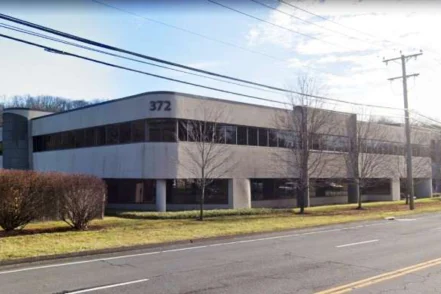
Mountainside Wilton
372 Danbury Road Wilton, Connecticut 06897
-
 Connecticut
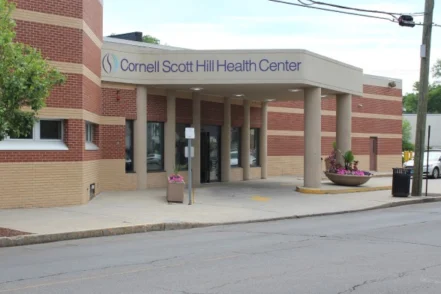
Cornell Scott Hill Health Center – 400 Columbus Avenue
400 Columbus Avenue, New Haven, CT 06519
-
 Connecticut
 Counseling Centers Inc
60 Beaver Brook Road, Danbury, CT 06810
-
 Connecticut
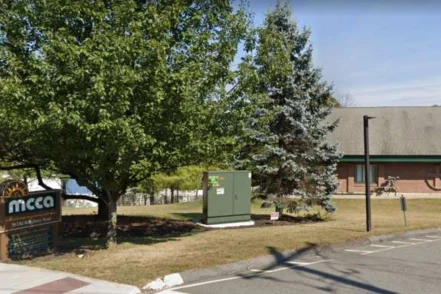
MCCA Midwestern Connecticut Council on Alcoholism McDonough House
38 Old Ridgebury Road Danbury, Connecticut 06810
Other Popular Connecticut Cities
Browse by Connecticut cities
FAQs
Is River Run Academy at Susan Wayne Center of Excellence a residential program?
Susan Wayne Center of Excellence is a residential treatment center. It’s for students with mild to moderate cognitive impairment and behavioral, mental health and medical challenges. Residential treatment is the level of care. More on inpatient rehab is on that page.
Can students live on campus or come in from home?
It’s a 38 acre campus, and students can live there or commute in from their communities. Both options are real. School days happen at River Run Academy, and the DeMarco Adventure Course is a ropes course there for the youth.
What ages and students does the center take?
The residential center takes ages 11 to 20. They’re adolescent youth with mild to moderate cognitive impairment, along with behavioral, mental health and medical issues. River Run Academy takes ages 11 to 22, from 5th grade through 12th grade, with transitional and vocational services. More on teen rehab is on that page.
What therapies are part of clinical care here?
Clinical services use a trauma-informed model called Attachment, Self-Regulation and Competency. Pet therapy, equine therapy and adventure-based therapy are offered too. Family contact, visits and family therapy are supported as often as fits the child and the caregivers. River Run Academy students have weekly individual therapy. Daily clinical support is available if it’s needed.
Does JRI hold accreditation for the residential programs and schools?
The Joint Commission accredits JRI’s intensive residential treatment programs, along with its clinics and community-based services. CARF accredits JRI’s residential schools, group homes and day habilitation. That’s what’s named.