
Xylazine Wounds Push Miami Hospitals to Rewrite Protocols
Published November 18, 2026
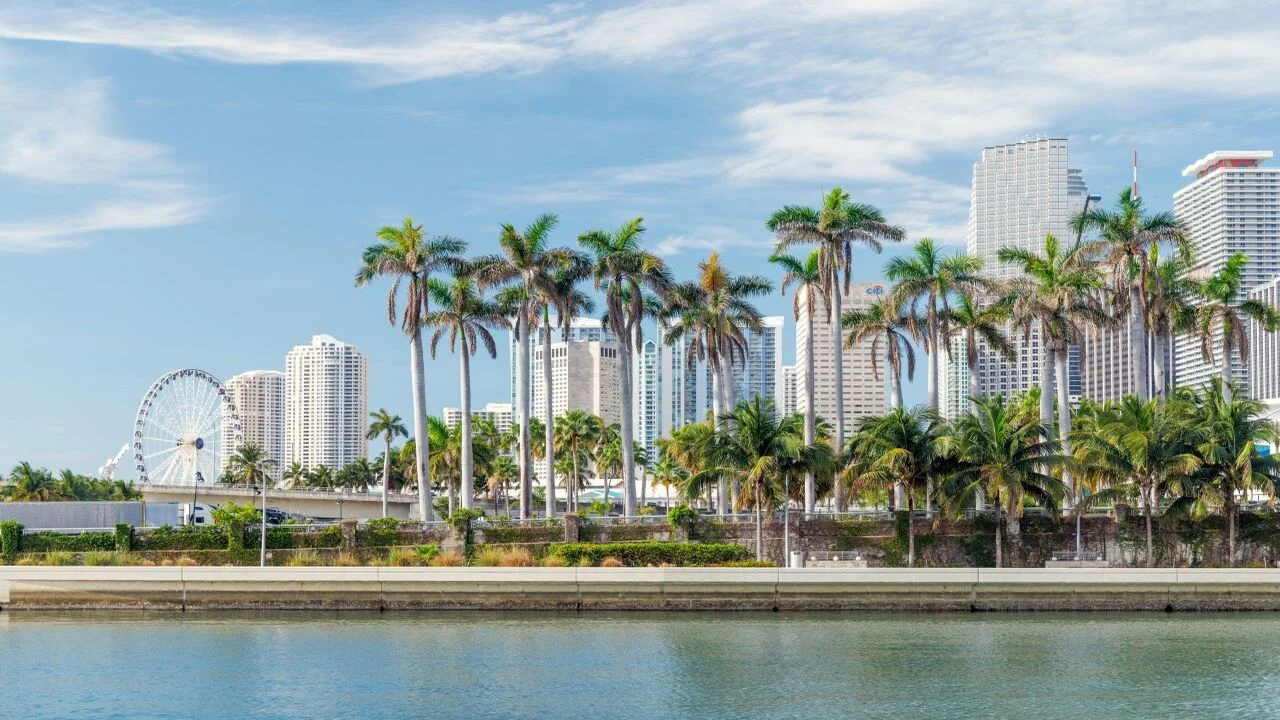
Miami, Florida is giving the rest of the country an early look at the next phase of the overdose crisis, and it is forcing hospitals and treatment centers to rethink how they respond.
The drug mixture known on the street as tranq combines fentanyl with xylazine, a veterinary tranquilizer never approved for human use, and it is producing injuries that standard overdose protocols were never designed to handle.
Public health social worker Nicole L. Wiesen laid out the scope of the problem in a Baptist News Global analysis this month, arguing that Miami shows how international trafficking, domestic supply chain failures, and gaps in public health oversight can collide in a single city.
What Xylazine Does to the Human Body
Xylazine is not an opioid, and that distinction drives much of the danger. The sedative causes profound sedation and dangerously low blood pressure, and health care professionals have documented severe skin ulcerations, tissue necrosis, and infections among people exposed to xylazine-adulterated drugs.
Some wounds become so extensive that patients require hospitalization, surgery, or amputation.
The mixture also complicates the single most important tool in overdose response. Naloxone can reverse the fentanyl component of an overdose, but it cannot touch xylazine’s sedative effects.
Emergency responders may need to provide prolonged respiratory and supportive care even after naloxone has been administered.
A Doral, Florida Supply Chain Failure
The crisis reaches well beyond the border. In January 2026, the Department of Justice announced that All Veterinary Supply, a company based in Doral, Florida, pleaded guilty to illegally distributing xylazine outside the scope of its state permit.
Federal prosecutors in Miami also announced charges in 2026 against an alleged Sinaloa Cartel leader accused of overseeing large-scale fentanyl and cocaine trafficking.
Wiesen’s analysis stresses that enforcement against cartels must be paired with scrutiny of domestic distributors, suspicious transactions, and illegal diversion inside the United States.
When policymakers reduce a multifaceted public health emergency to a single border-security narrative, they risk overlooking domestic vulnerabilities that allow dangerous substances to enter illicit markets.
People Leaving Incarceration Face the Highest Risk
Wiesen, whose work focuses on correctional health and reentry, points to people returning from jail or prison as especially vulnerable.
Reduced opioid tolerance after incarceration, unstable housing, disrupted health care, and limited treatment access already raise overdose risk, and an unpredictable supply adulterated with xylazine multiplies it.
Her prescription for Miami, Florida reads as a checklist for any city watching the mixture spread: timely toxicology surveillance with public alerts when the drug supply changes, hospital and emergency department protocols for recognizing xylazine-related complications, wound care services, drug-checking resources, naloxone distribution, access to medications for opioid use disorder, and coordinated discharge planning that connects correctional institutions, reentry programs, hospitals, and community organizations.
What This Means for Treatment Centers Nationwide
For treatment centers far from South Florida, the Miami experience carries a practical warning. Intake assessments, wound care capacity, and overdose education built around fentanyl alone will miss a sedative that naloxone cannot reverse.
Facilities that serve people leaving incarceration, people experiencing homelessness, and patients with limited health care access are likely to see these cases first.
If someone you love is struggling with opioid use, use our directory to compare accredited treatment centers that offer medications for opioid use disorder and ask how they handle xylazine-related complications before you choose a program. You can also call 800-908-4823 (Sponsored) to speak with a treatment advisor today.
Author

Quentin Blount
Read Bio
Quentin brings nearly a decade of experience as a writer, editor, and digital publisher to his role as Content Manager for Rehab.com. He aims to help people better understand their treatment options by creating engaging and informative content that is user-friendly, factually accurate, and optimized for search engine visibility. In his free time, Quentin enjoys the company of his friends, family, and his dog, Coop.
Editor

Eric Owens
Read Bio
Eric Owens has been a writer and editor for various businesses as well as his own successful websites. He has extensive experience creating content in the health and wellness space and the sustainability space. He holds a bachelor degree in Philosophy which helped him with presenting complex information in a simple way that all audiences can understand.
Articles About Alcohol & Treatment
Xylazine Wounds Push Miami Hospitals to Rewrite Protocols
Xylazine Wounds Push Miami Hospitals to Rewrite Protocols Published November 18, 2026 Miami, Florida is giving the rest of the country an early look at the next phase of the overdose crisis, and it is forcing hospitals and treatment centers to rethink how they respond. The drug mixture known on the street as tranq combines…

Homeless in San Francisco, California Now Get Buprenorphine on Demand
Homeless in San Francisco, California Now Get Buprenorphine on Demand Published November 17, 2026 Homeless residents of San Francisco, California can now get injectable buprenorphine the same day they ask for it, through a city pilot program that behavioral treatment centers and street outreach teams are treating as a new front door to addiction care.…

Meditation-Based Recovery Group Draws 50 in Castle Rock, Colorado
Meditation-Based Recovery Group Draws 50 in Castle Rock, Colorado Published November 16, 2026 A recovery group in Castle Rock, Colorado is showing how meditation can sit alongside mental health treatment for addiction. Every Monday and Friday, Scott Worcester leads a Recovery Dharma meeting at the Castle Rock Clubhouse downtown, and more than 50 people have…
Top National Treatment Centers
-
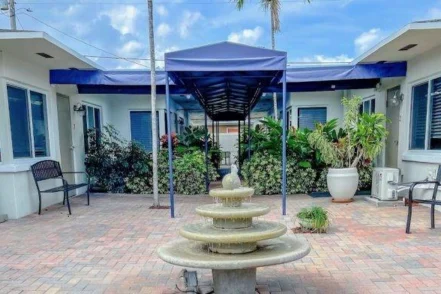 Florida
1 Solution Detox – CLOSED
2901 Broadway Ave West Palm Beach, Florida 33407
Treatment Programs
- Alcohol Rehab
- Opioid Addiction
- Drug Rehab
- +0
-
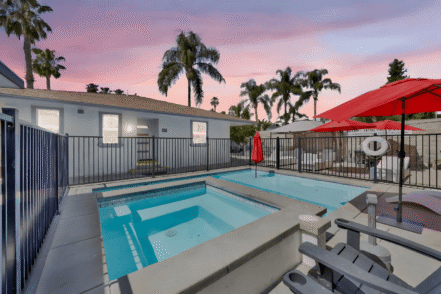 California
10 Acre Ranch
8605 Janet Avenue, Riverside, CA 92503
Treatment Programs
- Alcohol Rehab
- Dual Diagnosis
- Opioid Addiction
- +7
-
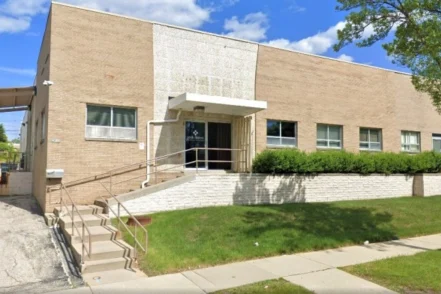 Wisconsin
10th Street Comprehensive Treatment Center
4800 South 10th Street, Milwaukee, WI 53221
Treatment Programs
- Alcohol Rehab
- Opioid Addiction
- Drug Rehab
- +8
-
 Oklahoma
GRAND Addiction Recovery Center
6333 East Skelly Drive, Tulsa, OK 74135
Treatment Programs
- Alcohol Rehab
- Dual Diagnosis
- Opioid Addiction
- +4