
World Cup Season Can Fuel Food and Substance Addiction
Published July 23, 2026
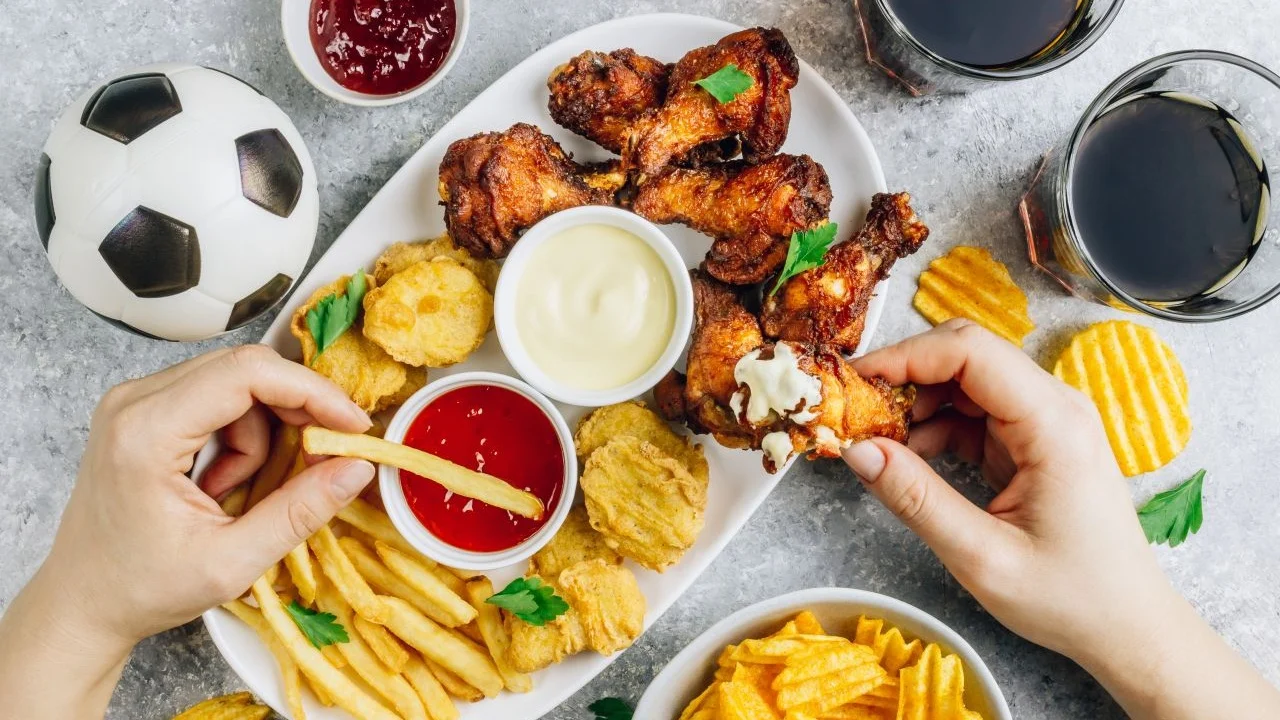
Late night matches, packed watch parties and constant access to snacks make the FIFA World Cup season a high risk window for food addiction. The same behavioral patterns that drive it often show up alongside substance use and mental health conditions like depression. That’s why dual diagnosis treatment matters even for a topic that starts with snacking.
Food Addiction & the World Cup
According to nutrition expert Christie Choueiri, food addiction involves addictive-like eating behaviors, including strong cravings, repeated thoughts about food and difficulty controlling intake, often centered on sugary, fatty and salty food. During tournament season, easy access to packaged snacks, fast food and sweetened beverages mix with the emotional highs and lows of watching a match to intensify these patterns.
Late night games disrupt normal eating routines as well. Chronotype, the body’s internal timing for hunger and eating regulation, is thrown off by matches that run past a person’s usual bedtime. This results in more mindless eating, or consumption driven by stress, excitement or boredom rather than hunger, and less awareness of when intake has become difficult to control.
Mental Health Connects with Addiction
Food addiction rarely exists in isolation. The same reward pathways implicated in food addiction, particularly around highly palatable, ultra processed foods, overlap with the reward circuitry involved in drug misuse.
People managing a substance use disorder, whether that involves alcohol, opioids or stimulants, may be more vulnerable to disordered eating patterns during high stimulation, high stress periods like a major sporting tournament. The reverse is true as well.
This overlap is a textbook example of why co-occurring conditions deserve integrated behavioral health care in either inpatient or outpatient facilities rather than being treated as separate, unrelated issues.
Knowing About Dual Diagnosis
Dual diagnosis refers to the presence of a mental health condition and a substance use disorder, or in some clinical frameworks, a behavioral addiction like food addiction or fears about weight gain, occurring in the same person at the same time.
Treating one condition while ignoring the other tends to produce worse outcomes, since untreated symptoms in one area frequently trigger relapse or worsening symptoms in the other.
Integrated, dual diagnosis treatment addresses both conditions together. Coordinated care between mental health providers and addiction specialists tackle multiple conditions at once rather than referring a patient back and forth between separate systems.
Treatment Approaches for Co-Occurring Disorders
Evidence based approaches used in dual diagnosis treatment include cognitive behavioral therapy (CBT), which helps people identify and change the thought patterns that drive both disordered eating and substance use. Dialectical behavior therapy (DBT) can also build skills for managing intense emotions without turning to food or substances for relief.
Practical strategies can help in the short term as well. Planning meals and healthy snacks ahead of a match, noticing whether hunger is physical or emotional, and choosing satisfying options like a Mediterranean diet rich in vegetables, hummus or fruit instead of only ultra processed snacks can reduce the loss of control that drives both food addiction and substance use relapse during high stimulation events.
Comprehensive Treatment Beyond Sports
People noticing overlapping struggles with food and substances during World Cup season, or at any time of year, don’t need to sort out which issue came first before getting help. Comprehensive treatment centers that offer dual diagnosis care can address mental health, food addiction and substance use together.
Get started now. Call 800-908-4823 (Sponsored) to find residential or outpatient treatment centers that treat co-occurring conditions. You can also browse our directory to locate facilities anywhere in the country that address mental and behavioral health issues.
Author

Terri Beth Miller, PhD
Read Bio
Terri Beth received her PhD in English literature from the University of Tennessee Knoxville and is an educator and disability studies scholar. For more than a decade, she has written extensively in the fields of mental health and addiction recovery and fiercely advocates for the destigmatization of mental illness.
Editor

Peter Lee, PhD
Read Bio
Peter W.Y. Lee is a writer and historian of American history during the Cold War. His primary focus is the relationship between youth and popular culture and its impact on U.S. society during the twentieth century. He has published widely on how the public has used popular culture as a mechanism to address political and social shifts throughout time
Articles About Alcohol & Treatment

Unpredictable Childhoods Linked to Later Mental Illness
Unpredictable Childhoods Linked to Later Mental Illness Published July 23, 2026 A large new study out of Orange County, California, adds to what researchers understand about childhood adversity and mental health. Even though states like California already have many treatment options for people of all ages, these findings carry implications for how facilities approach dual…
World Cup Season Can Fuel Food and Substance Addiction
World Cup Season Can Fuel Food and Substance Addiction Published July 23, 2026 Late night matches, packed watch parties and constant access to snacks make the FIFA World Cup season a high risk window for food addiction. The same behavioral patterns that drive it often show up alongside substance use and mental health conditions like…

Social Media Addiction Linked to Co-Occurring Behavioral Risks
Social Media Addiction Linked to Co-Occurring Behavioral Risks Published June 22, 2026 Social media addiction may be functioning as a pathway into other behavioral addictions like gambling, gaming, and shopping among adolescents and young adults, according to a new conceptual review. This latest research adds to the case for treating co-occurring conditions together rather than…
Browse Treatment Centers by State
-
 Utah
UtahFoothill Residential Treatment Center
3281 North Main Street Spanish Spanish Fork, Utah 84653
Treatment Programs
- Drug Rehab
- +-2
-
 Illinois
Footprints To Recovery
411 West River Road, Suite 309 Elgin, Illinois 60123
Treatment Programs
- Alcohol Rehab
- Dual Diagnosis
- Opioid Addiction
- +5
-
 Wyoming
Southwest Counseling Service Foothill Boulevard
2300 Foothill Boulevard Rock Springs, Wyoming 82901
Treatment Programs
- Alcohol Rehab
- Dual Diagnosis
- Opioid Addiction
- +4
-
 Missouri
Footprints: Wayne D. White Recovery Community Center
4300 Forest Avenue, Kansas City, MO 64110
Treatment Programs
- Dual Diagnosis
- Alcohol Rehab
- Opioid Addiction
- +1