
Stigma Keeps Many Older Adults From Mental Health Treatment
August 19, 2026
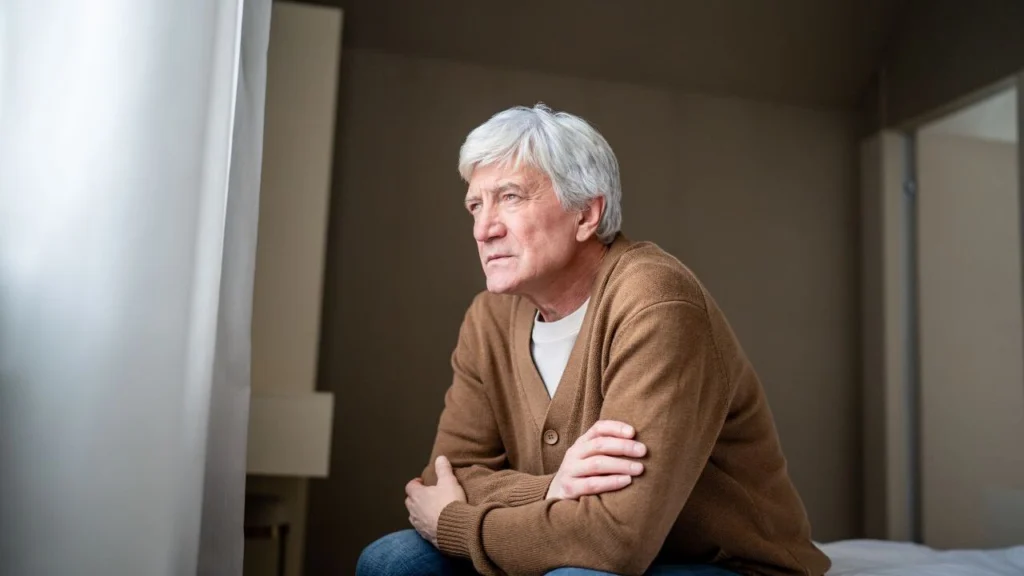
The relationship between older adults and mental health treatment can be complicated, and the research points to specific, identifiable reasons rather than a general reluctance. For families trying to get a parent or grandparent connected to behavioral health care, knowing which barrier is in play changes what actually works.
A 2025 Harris Poll found that 84 percent of people believe stigma attaches to the phrase “mental illness,” and 35 percent acknowledged they would view someone differently if that person had a mental illness. That climate shaped the decades in which today’s older adults formed their assumptions about asking for help.
Four Barriers the Research Identifies
The first is stigma carried forward. Therapist Joy Berkheimer told Newsweek that this generation came of age when mental health stigma ran stronger and seeking help could read as failure or weakness. Generational expert Bryan Driscoll put it to the same outlet more bluntly, saying older adults do not avoid therapy because they are tougher but because they were shamed out of it.
The second is a belief that distress is simply part of aging. A 2015 study in International Psychogeriatrics found that half of participants over 60 considered mood disorders a normal experience of getting older rather than a reason to consult a doctor.
The third is self-assessment. A YouGov poll found 71 percent of older adults rated their own mental health as strong. Among Gen Z respondents, 44 percent said the same.
The fourth is mistrust. A 2022 review in the Journal of Applied Gerontology identified mistrust of medical professionals, sometimes rooted in poor past experiences, as a driver of treatment avoidance among older adults.
Mental Health and Addiction Connection
Untreated depression and anxiety do not stay contained. In behavioral health practice, mood and anxiety symptoms that go unaddressed for years frequently appear alongside alcohol use or misuse of prescription medication, particularly sedatives and opioids prescribed for pain or sleep.
This pattern is easy to miss in older adults. Sleep disruption, low mood, withdrawal from social activity and cognitive fog get attributed to aging, to grief, or to a medical condition, when the underlying picture includes both a mental health condition and a substance use problem feeding each other.
There is also a load factor worth noting. A 2020 article in Preventing Chronic Disease observed that many people in this age group are likely to be caregivers, a role that can worsen mental health over time. Mental health expert Dr. Donald A. Malone told Psych Central that this generation shows a higher prevalence of depression than the one before it.
Understanding Dual Diagnosis
Dual diagnosis, also called co-occurring disorders, describes a mental health condition and a substance use disorder present at the same time. Treating one and ignoring the other tends not to hold, because each condition drives the other.
Integrated treatment addresses both together, with one clinical team and one plan rather than parallel referrals that never coordinate. For older adults specifically, integrated care also means accounting for medication interactions, chronic pain, and cognitive changes that affect how treatment is delivered.
Treatment Options for Mental Health and Addiction
Behavioral treatment centers offer several levels of intensity, and the setting should match the need rather than the assumption.
Outpatient care allows someone to stay home and keep their routine, which matters for people with caregiving duties or mobility limits. Intensive outpatient programs add structure with multiple sessions a week. Residential treatment centers provide 24-hour support and are appropriate when symptoms are severe, when a home setting is not stable, or when withdrawal management is required.
Medication management is often part of the plan, and for older adults it requires particular care given existing prescriptions.
Finding Comprehensive Treatment
If you are helping an older adult look for mental health treatment, a few things reduce friction:
- Ask directly whether a program treats co-occurring disorders, and whether one team handles both conditions.
- Ask about experience with older adults specifically, including medication review and coordination with existing physicians.
- Frame the first appointment as a consultation rather than a commitment, which can lower the stakes for someone who has avoided care for years.
- Search facilities that treat depression and addiction together rather than separate providers for each
- Search mental health treatment facilities and dual diagnosis treatment programs on Treatment Centers Directory to compare levels of care, therapies offered, and insurance accepted.
If you or someone you know is struggling, the 988 Suicide and Crisis Lifeline is available by call or text at 988. For help finding treatment, SAMHSA’s national helpline is 1-800-662-4357, free and confidential, 24 hours a day.
Author

Quentin Blount
Read Bio
Quentin brings nearly a decade of experience as a writer, editor, and digital publisher to his role as Content Manager for Rehab.com. He aims to help people better understand their treatment options by creating engaging and informative content that is user-friendly, factually accurate, and optimized for search engine visibility. In his free time, Quentin enjoys the company of his friends, family, and his dog, Coop.
Editor

Courtney Myers, MS
Read Bio
Courtney Myers has more than 15 years of experience in online writing and editing. Since graduating from N.C. State University with an MS in Technical Communication, she’s helped clients improve their visibility and reach through expert-level content creation. She specializes in addiction recovery and behavioral healthcare topics.
Articles About Alcohol & Treatment

Rural Maine Raffle Backs Mental Health Treatment Facilities
Rural Maine Raffle Backs Mental Health Treatment Facilities Published October 22, 2026 The proceeds from a raffle in Maine went to mental health facilities in Aroostook County to assist rural residents who don’t have resources. The 5th Annual Fall Spectacular was sponsored by the Center for Advancement of Rural Living in Caribou and directed every…

Ohio Drug Court Graduates Credit Dual Diagnosis Treatment
Ohio Drug Court Graduates Credit Dual Diagnosis Treatment Published October 21, 2026 Three men graduated from Fulton County Drug Court this month with more than a certificate. Scott Ward, Michael Burch and Mathias Petersen left the program employed and two had more than two years of sobriety under their belts. Each story also reflected the…

Substance Abuse Treatment Expands Across Eight Alabama Prisons
Substance Abuse Treatment Expands Across Eight Alabama Prisons Published October 20, 2026 Out in Alabama, Governor Kay Ivey has awarded $280,806 to the Alabama Department of Corrections to fund the Residential Substance Abuse Treatment program in eight state jails for 12 months. These facilities include Julia Tutwiler Prison for Women and William E. Donaldson Correctional…
Browse Treatment Centers by State
Top National Treatment Centers
-
 California
10 Acre Ranch
8605 Janet Avenue, Riverside, CA 92503
Treatment Programs
- Alcohol Rehab
- Dual Diagnosis
- Opioid Addiction
- +7
-
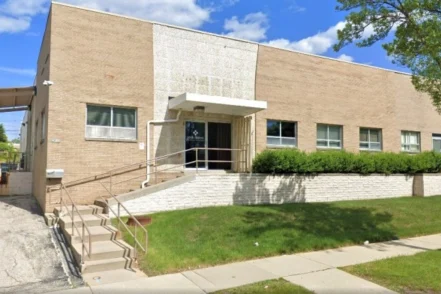 Wisconsin
10th Street Comprehensive Treatment Center
4800 South 10th Street, Milwaukee, WI 53221
Treatment Programs
- Alcohol Rehab
- Opioid Addiction
- Drug Rehab
- +8
-
 Tennessee
180 Degrees Ministries
1418 Kensington Square Court Murfreesboro, Tennessee 37130
Treatment Programs
- Alcohol Rehab
- Dual Diagnosis
- Opioid Addiction
- +4
-
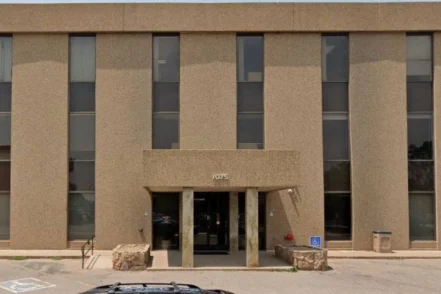 Colorado
1st Alliance Treatment Services Lakewood
1075 South Yukon Street, Suite 100 Lakewood, Colorado 80226
Treatment Programs
- Alcohol Rehab
- Dual Diagnosis
- Opioid Addiction
- +4