
Saline County, Arkansas To Get Its First Outpatient Treatment Center
Published November 25, 2026
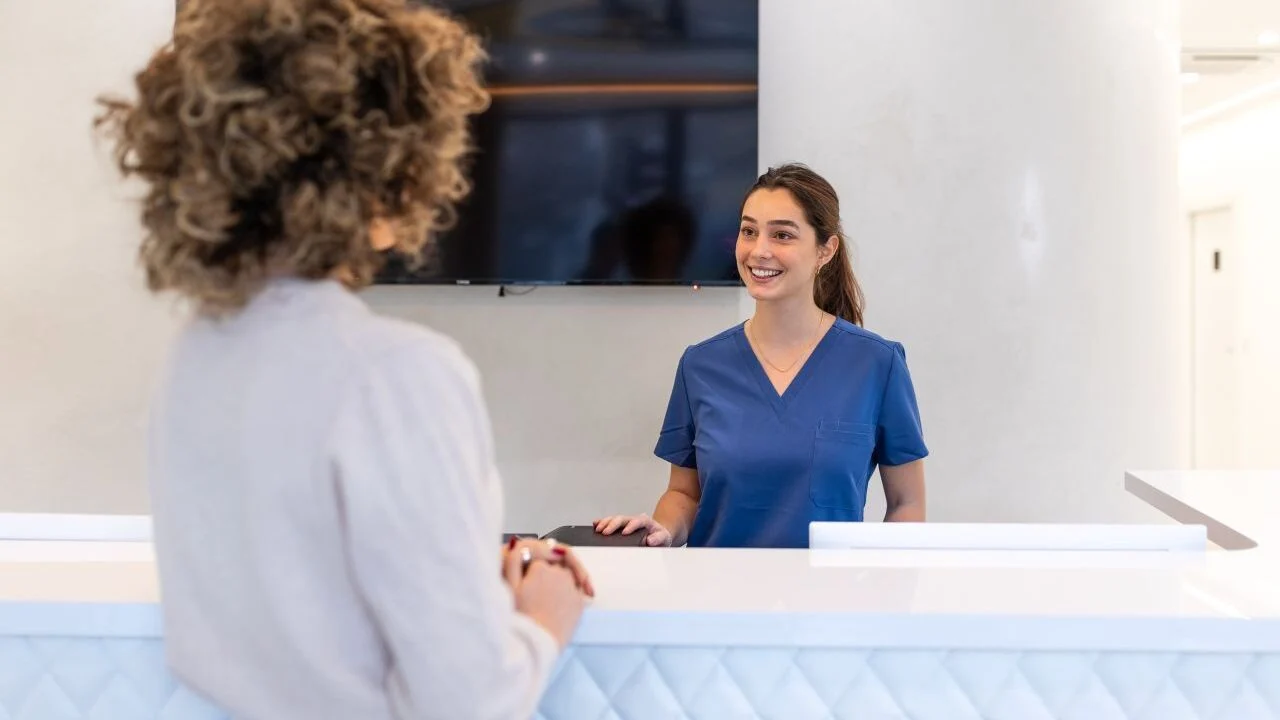
Saline County, Arkansas, will soon have its first outpatient treatment center. Peak State Recovery marked the project with a groundbreaking ceremony at its new facility in Bryant, which will let people leaving residential care continue treatment while they return to everyday life, KARK reports.
A First for Saline County
The Bryant center is the first facility of its kind in the county. It is expected to serve between 30 and 40 adults at a time and to begin accepting clients early next year.
Until now, the county had no facility of this kind. The Bryant site becomes Peak State Recovery’s second Arkansas location, joining the Paron campus that opened last year.
Peak State Recovery opened its Paron campus in July 2025. A spokesperson said the organization has served approximately 500 people there, offering clinical care, medical detox beds and other recovery services.
The new location gives people leaving residential treatment a place to stay connected to care while they rebuild independent routines.
The facility is designed for clients who need flexibility as they transition back into their everyday lives while continuing to receive support and treatment.
That step between residential care and fully independent living is where many treatment plans either take hold or fall apart.
An Outpatient Treatment Center Designed to Feel Like Home
CEO Chris Dickie said the organization wanted to take a different approach to addiction treatment.
He said he found existing approaches to addiction and medicine cold and sterile, and the Bryant center is the organization’s answer, a setting built to feel welcoming rather than institutional.
Clients stay connected to counselors and peers while gradually moving from residential care into independent daily routines.
Staff focus on practical stability alongside clinical care, from daily structure to the relationships that keep people engaged in treatment.
Integrated treatment addresses both conditions at the same time, because untreated depression or anxiety can undermine progress on addiction.
Facilities that offer this kind of care combine addiction services with therapies for mental health conditions under one plan.
Outpatient programs for co-occurring disorders commonly use therapies such as cognitive behavioral therapy, which targets the thought patterns behind substance use, and dialectical behavior therapy, which builds skills for managing intense emotions.
Behavioral Health Care After Residential Treatment
Outpatient treatment centers frequently serve people managing addiction alongside mental health conditions, a combination clinicians call co-occurring disorders or dual diagnosis.
Depression, anxiety and post-traumatic stress are among the conditions most often treated together with substance use.
Continuing behavioral health care after a residential stay gives people a place to keep working with counselors as they take on work, family and housing responsibilities again.
For many clients, that stretch of treatment is where recovery skills are tested against daily stress for the first time.
Finding Treatment Centers in Arkansas
Peak State Recovery expects the Bryant location to open early next year. Arkansans comparing options now can search TreatmentCentersDirectory.com for mental health treatment facilities and behavioral treatment centers across the state, including residential treatment centers and programs that treat co-occurring disorders.
Call 800-908-4823 (Sponsored) to discuss comprehensive mental health and addiction treatment options in your area.
Author
Terri Beth Miller, PhD
Read Bio
Terri Beth received her PhD in English literature from the University of Tennessee Knoxville and is an educator and disability studies scholar. For more than a decade, she has written extensively in the fields of mental health and addiction recovery and fiercely advocates for the destigmatization of mental illness.
Editor
Eric Owens
Read Bio
Eric Owens has been a writer and editor for various businesses as well as his own successful websites. He has extensive experience creating content in the health and wellness space and the sustainability space. He holds a bachelor degree in Philosophy which helped him with presenting complex information in a simple way that all audiences can understand.
Articles About Alcohol & Treatment
Saline County, Arkansas To Get Its First Outpatient Treatment Center
Saline County, Arkansas To Get Its First Outpatient Treatment Center Published November 25, 2026 Saline County, Arkansas, will soon have its first outpatient treatment center. Peak State Recovery marked the project with a groundbreaking ceremony at its new facility in Bryant, which will let people leaving residential care continue treatment while they return to everyday…
Maryland Residential Addiction Program Receives $55,500 Grant
Maryland Residential Addiction Program Receives $55,500 Grant Published November 24, 2026 A Bel Alton, Maryland nonprofit providing residential addiction treatment has new funding for residents who cannot afford care. The Jude House received a $55,500 grant from the Charles County Charitable Trust to support recovery services and workforce readiness for uninsured and underinsured Charles County…

Kalamazoo County, Michigan Launches Opioid Settlement Recovery Hub
Kalamazoo County, Michigan Launches Opioid Settlement Recovery Hub Published November 23, 2026 Residents of Kalamazoo County, Michigan, who need addiction or mental health treatment now have a single place to start. The county government launched an online Recovery Hub in November 2026, funded through opioid settlement dollars, that gathers local treatment, recovery support, and essential…
Top National Treatment Centers
-
 Florida
1 Solution Detox – CLOSED
2901 Broadway Ave West Palm Beach, Florida 33407
Treatment Programs
- Alcohol Rehab
- Opioid Addiction
- Drug Rehab
- +0
-
 California
10 Acre Ranch
8605 Janet Avenue, Riverside, CA 92503
Treatment Programs
- Alcohol Rehab
- Dual Diagnosis
- Opioid Addiction
- +7
-
 Wisconsin
10th Street Comprehensive Treatment Center
4800 South 10th Street, Milwaukee, WI 53221
Treatment Programs
- Alcohol Rehab
- Opioid Addiction
- Drug Rehab
- +8
-
 Oklahoma
GRAND Addiction Recovery Center
6333 East Skelly Drive, Tulsa, OK 74135
Treatment Programs
- Alcohol Rehab
- Dual Diagnosis
- Opioid Addiction
- +4