
Rochester, Minnesota Class Teaches Addiction Recovery Skills
October 14, 2026

Free Education for the Community
A free education course covering addiction treatment in Minnesota returned for a third year at Rochester’s Northrop Community Education Center. The four-session class, “Understanding Addiction: Finding Hope for Individuals, Families and Communities,” began Oct. 7.
The course is designed for people who want a clearer understanding of substance use disorder and its effects. Sessions address the science of addiction, how substance use affects individuals and families, prevention, harm reduction, and recovery.
Led by Local Recovery Professionals
According to the Post-Bulletin, the class is led by representatives from the Olmsted County Drug and Alcohol Response Team, Recovery Is Happening, Doc’s Recovery House, and Community Pathways to Family Health and Recovery.
That local perspective gives participants access to people working across different parts of the addiction treatment and recovery system. Education can help families recognize warning signs, understand why addiction is not simply a matter of willpower, and learn how to respond more effectively.
Why Community Education Matters
Substance use disorder affects more than the individual who is using drugs or alcohol. Family members, coworkers, and community organizations may all struggle to understand how to help.
Classes like Rochester’s can reduce confusion and stigma while connecting participants with local resources. They may also help people distinguish between prevention, harm reduction, treatment, and long-term recovery support.
For someone seeking help, a directory of local programs can make the next step easier. Depending on a person’s needs, appropriate care may include detoxification, residential treatment, outpatient services, medication, counseling, or peer support.
Families are often the first to notice changes in behavior, but they may not know how to describe what they are seeing. Education can help them distinguish between occasional use, risky use, and a possible substance use disorder while reducing shame and blame. The Rochester course also introduces prevention and harm reduction. That combination is important because communities need more than one response. Some people need support before substance use escalates, while others need immediate help staying alive and connected to treatment.
A class cannot replace an assessment, but it can help someone understand what treatment may involve. Depending on the person’s needs, that may include medical detox, residential treatment, outpatient care, medication, counseling, or peer support. When addiction occurs with depression, anxiety, trauma, or another mental health condition, integrated dual diagnosis treatment may be appropriate. Education can also help families ask better questions. They can learn whether a provider evaluates co-occurring conditions, uses evidence-based therapies, offers medication services, and plans for continuing care after discharge.
Treatment Centers Directory helps users compare mental health and substance use treatment facilities in Minnesota. A comprehensive provider should address both behavioral health symptoms and addiction rather than treating one condition in isolation. Community members who want to help can begin by learning the terminology, reducing stigma, and connecting people with local services when they are ready.
The course covers psychoeducation, prevention, harm reduction, recovery support, and referrals to local treatment resources.
Why Local Education Can Improve Treatment Access
Education can reduce the delay between noticing a problem and seeking help. Families who understand addiction as a health condition may respond sooner, speak with less blame, and recognize that relapse is not proof that treatment has failed. Those changes can make it easier for someone to stay engaged with care.
The Rochester class also brings together several local organizations, giving participants exposure to different parts of the treatment and recovery system. That matters because no single service meets every need. A resident may require education, harm reduction, detox, mental health care, medication, outpatient treatment, or long-term peer support.
Treatment Centers Directory can help Minnesota residents compare mental health and addiction treatment facilities. When researching providers, users should ask whether a program treats co-occurring disorders, uses evidence-based therapies, offers medication when appropriate, and connects clients with continuing care after discharge.
If you or someone you know is struggling, the 988 Suicide and Crisis Lifeline is available by call or text at 988. For help finding treatment, SAMHSA’s national helpline is 1-800-662-4357, free and confidential 24 hours a day.
Author

Terri Beth Miller, PhD
Read Bio
Terri Beth received her PhD in English literature from the University of Tennessee Knoxville and is an educator and disability studies scholar. For more than a decade, she has written extensively in the fields of mental health and addiction recovery and fiercely advocates for the destigmatization of mental illness.
Editor

Courtney Myers, MS
Read Bio
Courtney Myers has more than 15 years of experience in online writing and editing. Since graduating from N.C. State University with an MS in Technical Communication, she’s helped clients improve their visibility and reach through expert-level content creation. She specializes in addiction recovery and behavioral healthcare topics.
Articles About Alcohol & Treatment

Rochester, Minnesota Class Teaches Addiction Recovery Skills
Rochester, Minnesota Class Teaches Addiction Recovery Skills October 14, 2026 Free Education for the Community A free education course covering addiction treatment in Minnesota returned for a third year at Rochester’s Northrop Community Education Center. The four-session class, “Understanding Addiction: Finding Hope for Individuals, Families and Communities,” began Oct. 7. The course is designed for…

Morgan County, West Virginia Keeps Recovery Specialists Funded
Morgan County, West Virginia Keeps Recovery Specialists Funded Published October 14, 2026 Morgan County officials in West Virginia approved $10,740 to help keep Life or Drugs Tri-State Support Group running. The money covers two part-time recovery and support specialists while the nonprofit deals with the loss of a grant. Life or Drugs is based in…

Virginia Tackles Addiction Care for Expecting and New Moms
Virginia Tackles Addiction Care for Expecting and New Moms Published October 14, 2026 Kathryn Haines tells a story from years ago but could have happened just last week. No matter the date, Virginia mothers have lost children to adoption while in the grip of addiction and near-fatal overdoses. The repeated scenario now brings medical experts,…
Browse Treatment Centers by State
Author
Terri Beth Miller, PhD
Read Bio
Terri Beth received her PhD in English literature from the University of Tennessee Knoxville and is an educator and disability studies scholar. For more than a decade, she has written extensively in the fields of mental health and addiction recovery and fiercely advocates for the destigmatization of mental illness.
Editor
Courtney Myers, MS
Read Bio
Courtney Myers has more than 15 years of experience in online writing and editing. Since graduating from N.C. State University with an MS in Technical Communication, she’s helped clients improve their visibility and reach through expert-level content creation. She specializes in addiction recovery and behavioral healthcare topics.
Articles About Alcohol & Treatment

A Guide to Veterans’ Drug Rehab & Addiction Treatment
A Guide to Veterans’ Drug Rehab & Addiction Treatment Addiction is no respecter of persons. It’s an enemy that can strike anyone, anywhere, and at any time. It does not discriminate based on age, gender identity, sexual orientation, color, or creed. It is an equal opportunity adversary. In fact, a 2020 report from the Centers…

How Your Environment Impacts Recovery
How Your Environment Impacts Recovery Learning how your environment impacts recovery is an important lesson to learn. In 2010, I made the terrible decision to get behind the wheel after drinking too many glasses of wine. A couple of miles away from my apartment, I crashed into another car. I seriously injured two of its…

Do the Foods You Eat in Early Recovery Matter?
Do the Foods You Eat in Early Recovery Matter? You may hear folks in recovery with a bit of time under their belt tell you not to worry about what foods you eat in early recovery. In fact, some sobriety literature even encourages carrying around bags of candy to replace the sugar that you may…
Top National Treatment Centers
-
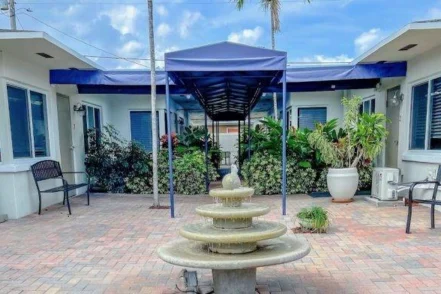 Florida
1 Solution Detox – CLOSED
2901 Broadway Ave West Palm Beach, Florida 33407
Treatment Programs
- Alcohol Rehab
- Opioid Addiction
- Drug Rehab
- +0
-
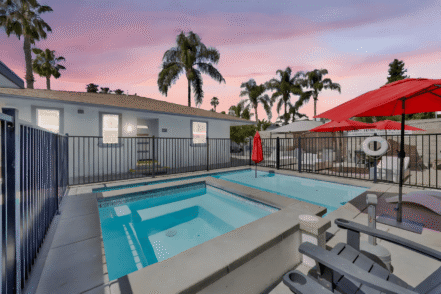 California
10 Acre Ranch
8605 Janet Avenue, Riverside, CA 92503
Treatment Programs
- Alcohol Rehab
- Dual Diagnosis
- Opioid Addiction
- +7
-
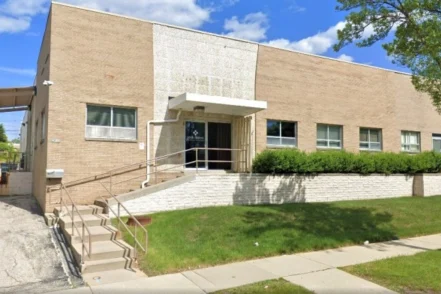 Wisconsin
10th Street Comprehensive Treatment Center
4800 South 10th Street, Milwaukee, WI 53221
Treatment Programs
- Alcohol Rehab
- Opioid Addiction
- Drug Rehab
- +8
-
 Oklahoma
GRAND Addiction Recovery Center
6333 East Skelly Drive, Tulsa, OK 74135
Treatment Programs
- Alcohol Rehab
- Dual Diagnosis
- Opioid Addiction
- +4