
North Carolina Increases Dual Diagnosis Treatment Statewide
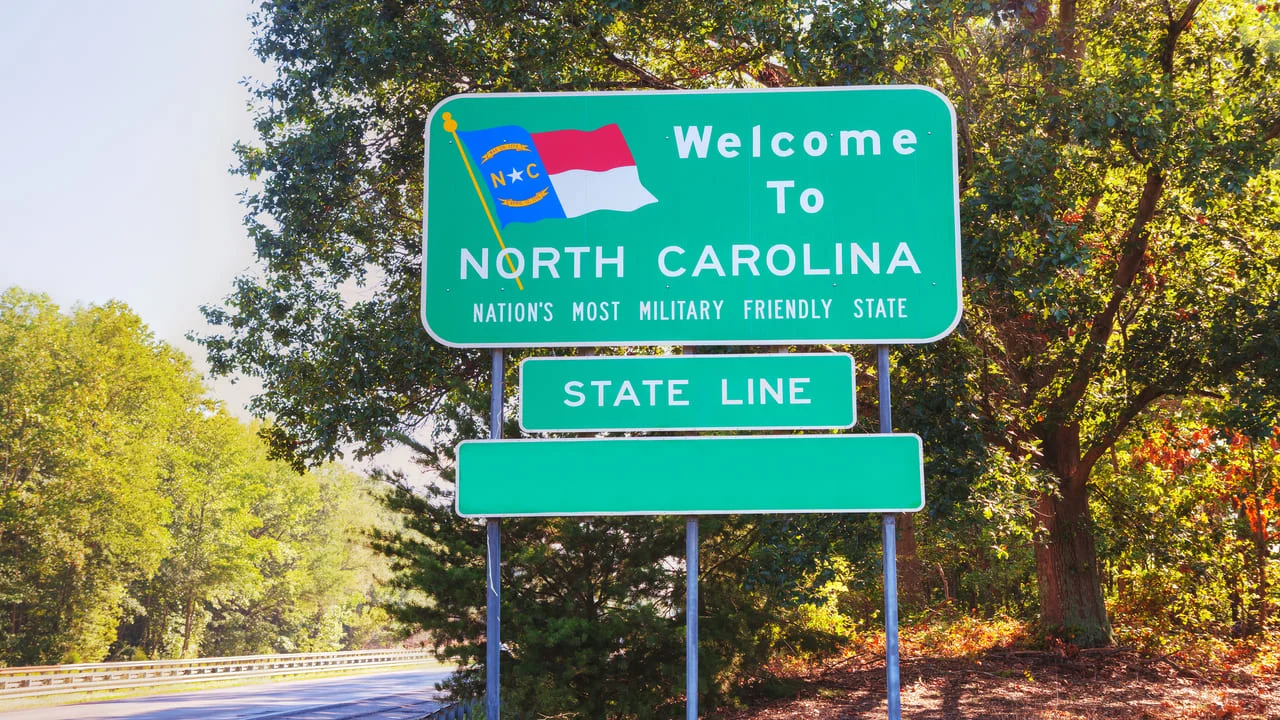
North Carolina’s approach to dual diagnosis treatment, addressing mental health and substance use disorders together, took a significant step forward in 2025.
The NC Department of Health and Human Services (NCDHHS) released its year-one progress report on a sweeping 2024–2029 strategic plan.
It documented measurable gains in behavioral health urgent care, opioid treatment, crisis services and recovery support across the state.
For the millions of Americans navigating co-occurring mental health and addiction challenges, the North Carolina model offers a compelling blueprint.
What the NCDHHS Strategic Plan Covers
The NCDHHS Division of Mental Health, Developmental Disabilities and Substance Use Services (DMH/DD/SUS) structured its five-year plan around seven priorities, all designed to build a comprehensive behavioral health system.
What sets this plan apart is its explicit integration of mental health, substance use and developmental disability services, a recognition that these conditions rarely exist in isolation.
Co-occurring disorders, or dual diagnosis, describe when a person lives with both a mental health condition (such as depression, anxiety, PTSD, or bipolar disorder) and a substance use disorder simultaneously.
Integrated treatment that addresses both conditions at once consistently produces better outcomes than treating each in isolation. North Carolina’s plan appears to be built around exactly this philosophy.
Among the year-one highlights:
The state opened seven new Behavioral Health Urgent Care centers and one new Facility-Based Crisis center.
This increased same-day access to mental health and substance use evaluations outside of emergency rooms.
Two new Mobile Opioid Treatment Programs were launched to bring medication-assisted treatment (MAT) directly to hard-to-reach communities.
Two new peer respite centers opened, providing recovery-oriented, stigma-free environments staffed by people with lived experience, a model that research consistently links to better long-term recovery outcomes.
Increasing the Behavioral Health Workforce
No amount of policy progress matters without trained clinicians to deliver care.
NCDHHS expanded its Licensed Workforce Loan Repayment Program for licensed professionals providing mental health, substance use disorder (SUD), intellectual and developmental disability (I/DD), and traumatic brain injury (TBI) services in rural and underserved areas.
The state also launched an Advanced Direct Support Professional course in partnership with three community colleges, creating a pathway for frontline workers to earn credit toward a Human Services associate’s degree.
Workforce shortages are one of the most persistent barriers to accessing mental health treatment facilities and residential treatment centers nationwide.
North Carolina’s approach, combining financial incentives with career advancement pathways, addresses both recruitment and retention.
Dual Diagnosis Treatment and the Justice System
A significant portion of the NCDHHS plan targets people cycling through the criminal justice system, a population with disproportionately high rates of untreated mental illness, trauma and addiction.
The state’s work aligns with Governor Stein’s Executive Order 33, which focuses on strengthening both behavioral health and criminal justice systems through a care-over-punishment framework.
In practice, this means partnerships with community organizations like Daymark Recovery Services and Aya House to provide housing support, dual diagnosis treatment and employment assistance for people recently released from incarceration.
This kind of wraparound, community-based care is considered best practice for people with co-occurring disorders who are re-entering society.
Opioid Treatment Progress and Naloxone Distribution
North Carolina also posted measurable gains on opioid-specific treatment access.
Through a partnership with Alliance Health LME-MCO and the NC Harm Reduction Coalition, the state improved naloxone ordering and delivery processes, distributing more than 150,000 naloxone kits to communities at highest overdose risk.
Naloxone (Narcan) reverses opioid overdoses and is a frontline harm reduction tool.
The results are showing up in treatment enrollment data: in the first quarter of 2025, the number of people receiving services through an Opioid Treatment Center increased by 9% over the same period in 2024.
The state also launched Unshame NC with First Lady Anna Stein to reduce stigma around substance use disorder and medications for opioid use disorder (MOUD), a campaign that directly targets one of the most significant barriers to people seeking help.
Why Integrated Care for Co-Occurring Disorders Matters
Co-occurring disorders are the norm, not the exception, in behavioral health treatment.
Research consistently shows that people with untreated depression or anxiety are significantly more likely to develop substance use disorders, and vice versa.
Addressing only one condition while leaving the other untreated dramatically increases relapse risk.
Effective dual diagnosis treatment typically combines evidence-based therapies, including Cognitive Behavioral Therapy (CBT), Dialectical Behavior Therapy (DBT) and trauma-informed approaches like EMDR, with medication management and peer support.
Residential treatment centers that specialize in co-occurring disorders offer the most intensive level of integrated care.
Finding Dual Diagnosis Treatment in North Carolina
Whether you’re in North Carolina or elsewhere, comprehensive care for co-occurring disorders is available.
- Mental Health Treatment Centers Near You — Search TCD.com’s treatment centers directory.
- Dual Diagnosis Treatment Programs — Filter for residential treatment centers that treat both mental health and addiction
- Facilities That Treat Depression and Addiction — Find behavioral treatment centers specializing in co-occurring mood disorders
Call 800-908-4823 (Sponsored) to learn more about comprehensive mental health and addiction treatment options near you.
Editor

Eric Owens
Read Bio
Eric Owens has been a writer and editor for various businesses as well as his own successful websites. He has extensive experience creating content in the health and wellness space and the sustainability space. He holds a bachelor degree in Philosophy which helped him with presenting complex information in a simple way that all audiences can understand.
Articles About Alcohol & Treatment
A Guide to Veterans’ Drug Rehab & Addiction Treatment
A Guide to Veterans’ Drug Rehab & Addiction Treatment Addiction is no respecter of persons. It’s an enemy that can strike anyone, anywhere, and at any time. It does not discriminate based on age, gender identity, sexual orientation, color, or creed. It is an equal opportunity adversary. In fact, a 2020 report from the Centers…

How Your Environment Impacts Recovery
How Your Environment Impacts Recovery Learning how your environment impacts recovery is an important lesson to learn. In 2010, I made the terrible decision to get behind the wheel after drinking too many glasses of wine. A couple of miles away from my apartment, I crashed into another car. I seriously injured two of its…

Do the Foods You Eat in Early Recovery Matter?
Do the Foods You Eat in Early Recovery Matter? You may hear folks in recovery with a bit of time under their belt tell you not to worry about what foods you eat in early recovery. In fact, some sobriety literature even encourages carrying around bags of candy to replace the sugar that you may…
Browse Treatment Centers by State
Top National Treatment Centers
-
 North Carolina
Alcohol Drug Council of North Carolina
1121 Situs Court, Suite 360 Durham, North Carolina 27606
Treatment Programs
- Drug Rehab
- Alcohol Rehab
- +-1
-
 North Carolina
Alternative Living Solutions of North Carolina
10130 Mallard Creek Road, Suite 371, Charlotte, NC 28262
Treatment Programs
- Dual Diagnosis
- Alcohol Rehab
- Opioid Addiction
- +1
-
 North Carolina
New Waters Recovery & Detox North Carolina
3810 Bland Road, Raleigh, NC 27609
Treatment Programs
- Adult Program
- Dual Diagnosis
- Alcohol Rehab
- +3
-
 North Carolina
North Carolina Recovery Support Services Navaho Drive
1100 Navaho Drive, Suite 125 Raleigh, North Carolina 27609
Treatment Programs
- Alcohol Rehab
- Dual Diagnosis
- Opioid Addiction
- +5