
About Damon House New Brunswick
Damon House New Brunswick is a CARF accredited private non-profit long term residential rehabilitation program located in New Brunswick, New Jersey specializing in substance use disorder treatment for adults.
The program serves New Jersey residents 18 and older addressing addiction alongside co-occurring mental health conditions through an integrated and whole person approach.
Specialized Tracks and Evidence Based Treatment
The program combines four integrated pillars including integrative wellness, counseling, medical, and psychiatric support. Residents engage in daily clinical and didactic groups using evidence based methods including CBT and REBT, relapse prevention and strengths based counseling, and therapy.
Specialized tracks address trauma and anger management, coping with loss, and family relations while yoga, meditation, and creative arts round out a truly whole person care experience.
Trauma Informed and Co-Occurring Mental Health Support
Damon House explicitly integrates mental health care alongside addiction treatment offering psychotherapy targeting anxiety, depression, and trauma. Specialized groups like Seeking Safety and Adult Children of Addicts reflect a deep commitment to trauma informed and population specific recovery support.
The program also serves veterans, court referred individuals, and those with histories of domestic violence or abuse.
Addiction Treatment Programs

Alcohol Rehab
If you’re ready to overcome alcohol use disorder, an alcohol rehab in New Jersey can give you the tools you need. Common services include counseling and classes on coping skills, emotional management, communication, and other key life skills. Alcohol rehab programs can provide inpatient or outpatient treatment.

Dual Diagnosis
Many people with addiction issues also have a mental health diagnosis, which is known as a dual diagnosis. Be sure to find a rehab in New Jersey that can treat both. Dual diagnosis programs may offer detox, inpatient treatment, and/or outpatient care. The key is that they provide integrated treatment for both mental health symptoms and substance use.

Opioid Addiction
The goal of an alcohol rehab in New Jersey is to give you the tools and skills you need to achieve long-term recovery. Drug rehab may include detox, inpatient treatment, and/or outpatient care. You’ll learn the roots of addiction and learn how to build a substance-free life.

Adult Program
An adult program in New Jersey addresses the unique needs of adults, such as finding secure housing, building a career, and raising a family. Some of the common services will include counseling and classes on coping skills, emotional management, communication, and other key life skills. Adult programs can provide inpatient or outpatient treatment.

Men's Rehab
Choosing a men’s rehab in New Jersey can be a great way to manage gender-specific issues while also addressing substance use. Some of the common services they include are counseling and classes on coping skills, emotional management, communication, and other key life skills. Men’s programs can provide inpatient or outpatient treatment.

Women's Rehab
If you’re a woman struggling with substance use, consider a women’s rehab program in New Jersey. Some common services include counseling and classes on coping skills, emotional management, communication, parenting, and other key life skills. Women’s programs can provide inpatient or outpatient treatment.

Young Adult Rehab
Young adult rehabs in New Jersey address a wide range of substance use issues while also helping clients transition into adulthood. Some of the common services will include counseling and classes on coping skills, emotional management, communication, and other key life skills. Young adult programs can provide inpatient or outpatient treatment.
Insurance Coverage

Self-pay options
You can pay for treatment in New Jersey using your own money, which is known as self-pay or private pay. Whether you write a check, get a medical loan, or electronically transfer money, you are able to choose the rehab you most prefer. Payment arrangements may vary depending on the level of care.

Financing available
When you’re planning to look for financing options to pay for rehab in New Jersey, there are a few details to keep in mind. Financing allows you to spread out the cost of treament over time or may help you get a lower fee. Options include payment plans, scholarships, grants, and medical loans.

Free
Looking for free rehabs can help you access the treatment you need in New Jersey. Free rehabs in your area may be run by the state or county, so consider starting there in your search. They can offer all levels of care, including detox, inpatient treatment, and outpatient care.

Financial aid
Trying to see if you qualify for financial aid programs can be a great way to pay for rehab in New Jersey. Treatment centers may offer grants or scholarships that make it easier for those who are lower-income to get the care they need. Contact the treatment center you’re interested in for details.

Sliding scale payment assistance
Don’t let the cost of rehab keep you from getting care in New Jersey. Instead, find a program that has a sliding scale payment plan. Centers make lower fee arrangements for those in need based on income and family size. You may need to provide documentation.
Levels of Care
- 1
Inpatient Rehab
There are multiple options for addiction treatment in New Jersey. During inpatient treatment, you live at the facility and are able to focus on creating a new way of life. Inpatient treatment includes multiple approaches, including cognitive behavioral therapy (CBT), motivational interviewing (MI), and holistic therapy options.
- 2
Aftercare Support
Overcoming substance use is a lifelong process. Aftercare in New Jersey gives you the support you need to stay sober. It’s common for a treatment program to offer aftercare support, which may include employment training, help with housing, alumni support groups, and more.
- 3
Sober Living Homes
Sober living in New Jersey is focused on giving you a substance-free place to live, giving you the support you need to stay sober long-term. Some sober living programs are simply houses to live in and build your own life, while others include employment training, job assistance, life-skills classes, and more.
Therapies

Cognitive Behavior Therapy
In New Jersey, cognitive behavioral therapy (CBT) helps you identify wrong thinking that can create impulsive actions. This makes it much easier to reach long-term recovery. CBT is a common part of both inpatient and outpatient substance use treatment and may be used to help with skill-building, overcoming problematic behavior, and managing substance use triggers.

Family Therapy
Attending family therapy in New Jersey is a way to address broken relationships and dysfunction, helping you establish long-term recovery. Family therapy sessions generally last 60 to 90 minutes and may include discussing marital issues, codependency, grief, domestic violence, trauma, and other topics that impact families. The goal is to create healthier relationships that can support recovery.

Group Therapy
Attending group therapy in New Jersey is a way to overcome shame and isolation, helping you establish long-term recovery. Group therapy is a common part of both inpatient and outpatient substance use treatment, and may be used to help with skill-building, processing, and presenting educational information.

Individual Therapy
During individual therapy in New Jersey, clients work with a professional to address specific individual concerns. Individual focuses on improving both behavioral and emotional health. You may explore thought processes, develop motivation to change, and/or explore past events that may have played a part in your substance use.

Rational Behavioral Therapy
Rational behavior therapy in New Jersey helps you address the false beliefs that are holding you back from a better life. During treatment, you’ll examine activating events, identify irrational beliefs that affect your response, and learn the skills necessary to consciously choose a different reaction to each situation.

Trauma Therapy
Trauma-informed therapy in New Jersey can provide a way to process past events and create better coping strategies as you work through substance use treatment. When you receive trauma-informed therapy, it may include peer support, grief counseling, medications to support mental health, and developing healthier responses to emotional triggers.
Accreditations

Location
Contact Damon House New Brunswick

 Sponsored
Treatmentcentersdirectory.com regularly reviews this listing for accuracy but changes may occur between updates. For the most up-to-date information, please contact Damon House New Brunswick.
Top Drug Rehab Centers in New Jersey
-
 New Jersey
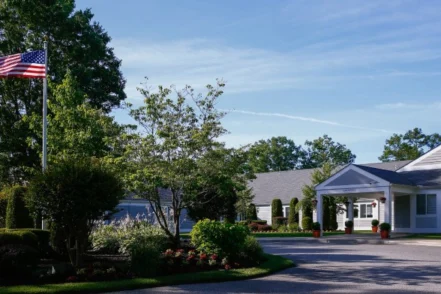
Recovery Centers of America at Voorhees
526 S Burnt Mill Road Voorhees, New Jersey 08043
-
 New Jersey
Recovery Centers of America at Lighthouse
5034 Atlantic Avenue Mays Landing, New Jersey 08330
-
 New Jersey
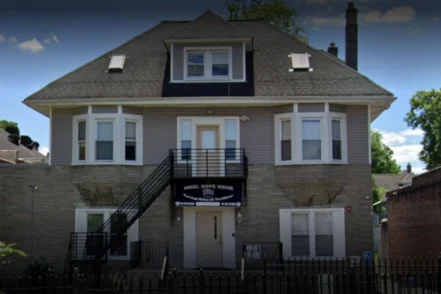
East Orange Substance Abuse Treatment Program
800 Clinton Avenue, Newark, NJ 07108
-
 New Jersey
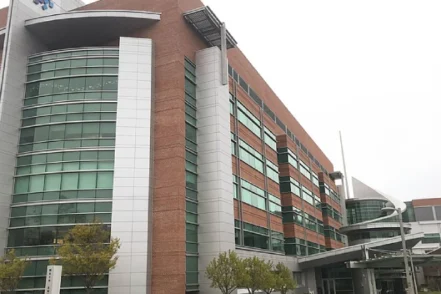
Jersey Shore University Medical Center Neptune
1945 State Route 33 Neptune, New Jersey 07753
-
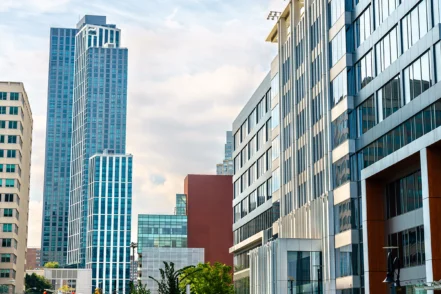 New Jersey
Spectrum Healthcare
74-80 Pacific Avenue Jersey City, New Jersey 07304
-
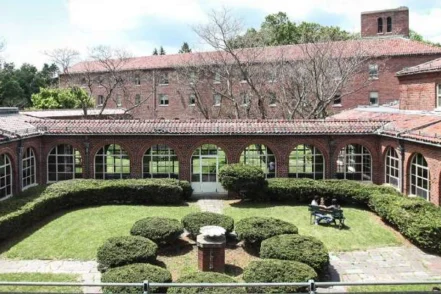 New Jersey
Sunrise House Lafayette
37 Sunset Inn Road Lafayette, New Jersey 07848
-
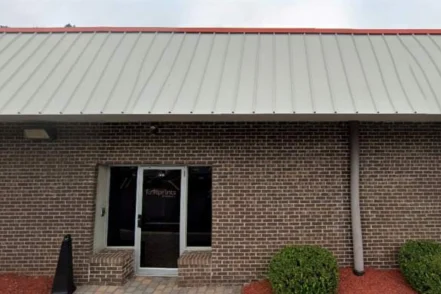 New Jersey
Princeton Detox and Recovery Center
4287 U.S. 1, South Brunswick Township, NJ 08852
- New Jersey
SOBA New Jersey
104 Bayard Street New Brunswick, New Jersey 08901
-
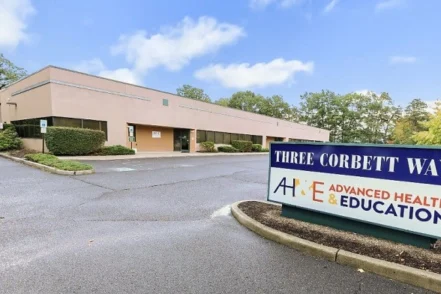 New Jersey
Advanced Health and Education
3 Corbett Way Eatontown, New Jersey 07724
-
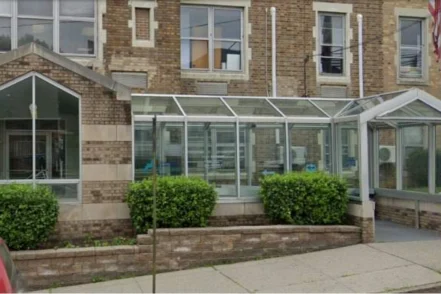 New Jersey
Endeavor House North
206 Bergen Avenue, Kearny, NJ 07032
-
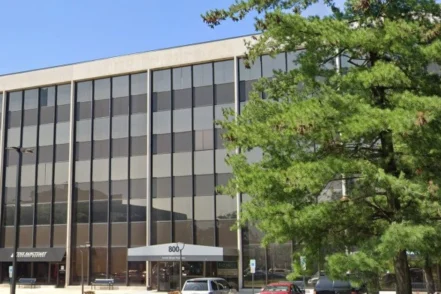 New Jersey
Legacy Healing Center | Luxury Rehab
800 Kings Highway North, Cherry Hill Township, NJ 08034
- New Jersey
Absolute Awakenings Treatment Center
3000 NJ-10 Morris Plains, NJ 07950
-
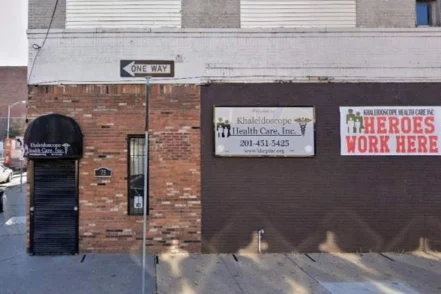 New Jersey
Khaleidoscope Healthcare
75 Harrison Avenue Jersey City, New Jersey 07304
Other Popular New Jersey Cities
Browse by New Jersey cities
- Madison
- Magnolia
- Manahawkin
- Manalapan
- Manalapan Township
- Manchester
- Margate City
- Marlboro
- Marlboro Township
- Marlton
- Matawan
- Mays Landing
- Medford
- Mendham
- Merchantville
- Metuchen
- Middlesex
- Milltown
- Millville
- Monmouth Junction
- Monroe Township
- Montclair
- Montville
- Moorestown
- Morris Plains
- Morristown
- Mount Holly
- Mount Laurel
- Mount Laurel Township
- Mullica Hill