
About New Bedford TSS
New Bedford TSS is a program located in New Bedford, Massachusetts that is provided by High Point Treatment Center. The center has a complete recovery program for men and people who are male identified who are moving from detox to inpatient treatment. This 36 bed residential facility is a crucial step in the process of moving from medical detoxification and the care that is required for long term recovery.
From Detox to Inpatient Rehab
The most important feature of New Bedford TSS is the specific focus on the movement from detoxification to more significant inpatient treatment. It doesn’t offer the detox itself but the program works for people who have detoxed and are clinically stable.
This residential care offers individuals a protected environment in which to continue without substances as well as guidance that assists clients in keeping the recovery gains they have made. New Bedford TSS provides support at this crucial time to avoid relapse and thus forms a good basis for further recovery.
Change That Lasts
Through New Bedford TSS clients helped to rebuild their lives. The program offers medication assisted treatment and referrals to long term care options, so that individuals continue to get help even after leaving the program.
New Bedford TSS provides an environment in which people can regain their self esteem and autonomy and gain the tools they need to succeed. The facility is a compassionate care facility that helps people overcome their feelings of doubt and be able to find joy in life without having to rely on substances.
Addiction Treatment Programs

Drug Rehab
If you choose a drug rehab in Massachusetts, you’ll receive professional treatment that will help you break free of addiction. Drug treatment programs address the mental, emotional, and relational issues that may contribute to addiction. You’ll learn to build a new support network that supports your long-term sobriety.

Opioid Addiction
A high-quality rehab in Massachusetts helps people gain the skills they need to overcome opioid addiction and maintain long-term sobriety. Drug rehab may include detox, inpatient treatment, and/or outpatient care. You’ll learn the roots of addiction and learn how to build a substance-free life.

Men's Rehab
Men’s rehabs in Massachusetts address a wide range of substance use issues while also helping clients with gender-specific issues. Some of the common services they include are counseling and classes on coping skills, emotional management, communication, and other key life skills. Men’s programs can provide inpatient or outpatient treatment.

Women's Rehab
A women’s rehab in Massachusetts helps clients build same-gender friendships, overcome substance use, and learn new life skills. Some common services include counseling and classes on coping skills, emotional management, communication, parenting, and other key life skills. Women’s programs can provide inpatient or outpatient treatment.
Insurance Coverage

Self-pay options
In Massachusetts, you can use self-pay, also known as private pay, to cover the costs of rehab. Payment structure may vary depending on the level of care, but you can use a medical loan, write a check, or send money electronically.

Private insurance
Paying for rehab in Massachusetts can be done in multiple ways, including using private insurance. Because plans vary, be sure to contact the insurer to find out what centers are in-network with your coverage and to find out what out-of-pocket costs you might be responsible for.

Medicaid
If you qualify in Massachusetts, Medicaid is one of your options when it comes to paying for rehab. Medicaid covers multiple levels of care, and you may have no out-of-pocket costs. However, you’ll need to choose a treatment center that accepts Medicaid.

Medicare
Medicare is a good way to pay for substance use treatment in Massachusetts. Medicare plans may vary, so be sure to find out coverage details and what copayments or deductibles you might be responsible for.
Levels of Care
- 1
Inpatient Rehab
If you struggle with addiction in Massachusetts, inpatient care is one option for rehab. You’ll live full-time at the facility and focus fully on recovery. Inpatient treatment includes multiple approaches, including cognitive behavioral therapy (CBT), motivational interviewing (MI), and holistic therapy options.
- 2
Outpatient Rehab
During outpatient treatment in Massachusetts, each client attends multiple hours of care per week while living independently outside of treatment. Outpatient treatment is commonly a follow-up to residential treatment and may be used to help with skill-building, education, and to practice your new habits in daily life.
Therapies

Recreational Therapy
Recreational therapy in Massachusetts involves activities that allow you to work with others, relax in nature, and learn problem-solving skills. Recreational therapy brings fun, adventure, and teamwork into the treatment program, equipping you to build new, positive habits.

Individual Therapy
You’re not alone as you work through addiction in Massachusetts. Individual therapy gives you a professional who’s on your side to help you build a new life. Individual focuses on improving both behavioral and emotional health. You may explore thought processes, develop motivation to change, and/or explore past events that may have played a part in your substance use.

Group Therapy
During group therapy in Massachusetts, each client has a chance to share their unique experiences and feelings about the discussion topic. This creates accountability and support. Group therapy is a common part of both inpatient and outpatient substance use treatment, and may be used to help with skill-building, processing, and to present educational information.

Family Therapy
During family therapy in Massachusetts, clients and their loved ones can address dysfunctional relationships, resentments, and conflicts in order to create healthier relationships that support the client’s recovery. Family therapy sessions generally last 60 to 90 minutes and may include discussing marital issues, codependency, grief, domestic violence, trauma, and other topics that impact families. The goal is to create healthier relationships that can support recovery.
Location
Contact New Bedford TSS

 Sponsored
Treatmentcentersdirectory.com regularly reviews this listing for accuracy but changes may occur between updates. For the most up-to-date information, please contact New Bedford TSS.
Top Drug Rehab Centers in Massachusetts
-
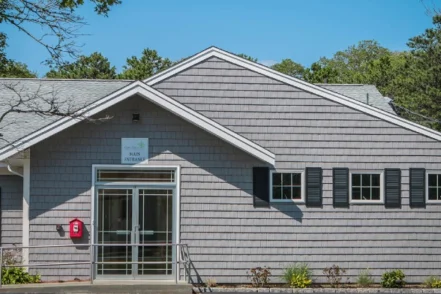 Massachusetts
Recovering Champions
279 Brick Kiln Road Falmouth, Massachusetts 02536
-
 Massachusetts
SSTAR
386 Stanley Street, Fall River, MA 02720
-
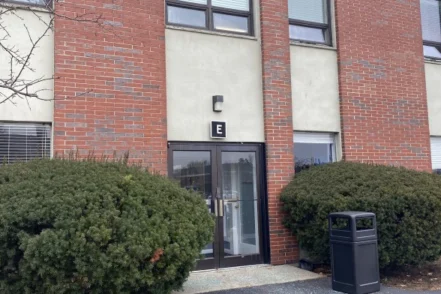 Massachusetts
Aftermath Addiction Treatment Center
607 North Ave , Suite 11 E Wakefield, Massachusetts 01880
-
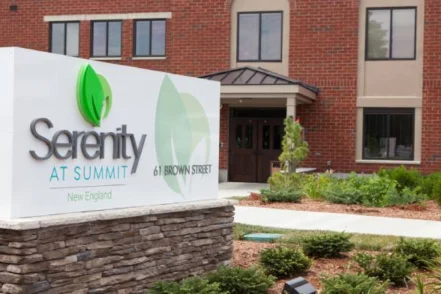 Massachusetts
Serenity at Summit New England
61 Brown Street Haverhill, Massachusetts 01830
-
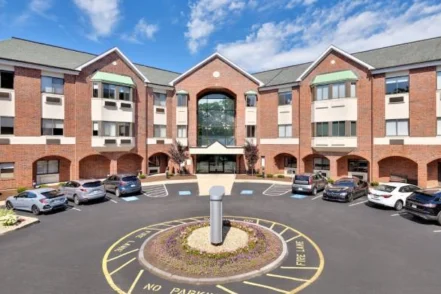 Massachusetts
Bedrock Recovery Center
1 Meadowbrook Way Canton, Massachusetts 02021
-
 Massachusetts
Avenues Recovery Center at New England
81 Hall Street Concord, Massachusetts 03301
-
 Massachusetts
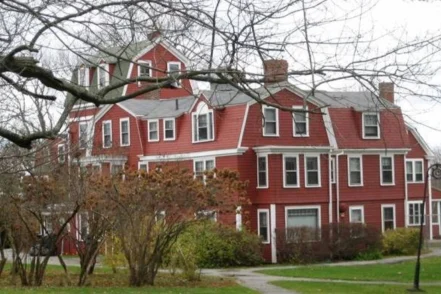
Baldpate Treatment Center (Formerly Baldpate Hospital)
83 Baldpate Road, Georgetown, MA 01833
-
 Massachusetts
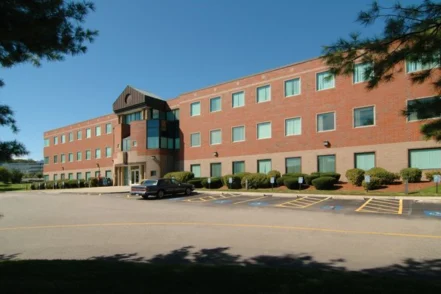
Lawrence Medical Center
500 Congress Street, 2g, Quincy, MA 02169
- Massachusetts
Topsail Addiction Treatment
140 Haverhill Street, Suite 8 Andover, Massachusetts 01810
-
 Massachusetts
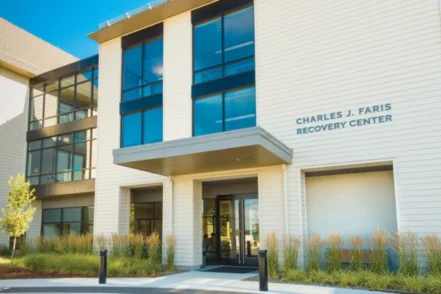
New England Recovery Center
153 Oak Street Westborough, Massachusetts 1581
-
 Massachusetts
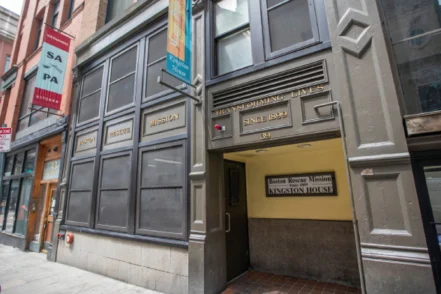
Boston Rescue Mission Outpatient Counseling
39 Kingston Street Boston, Massachusetts 02111