
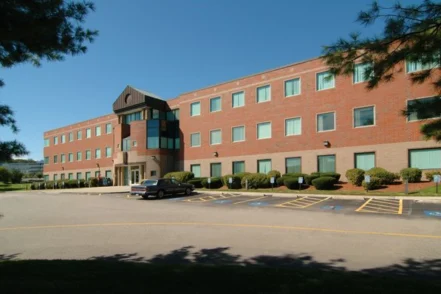
About High Point Treatment Center 68 North Front Street
Outpatient care for substance use and mental health is available at High Point Treatment Center, an addiction treatment center in New Bedford, Massachusetts. The service area includes Bristol and Plymouth counties.
The center offers counseling and psychiatry to children, adolescents and adults, and both couples therapy and family therapy to adolescents and adults. People in treatment go to an AA or NA group there each day.
Urgent Care in New Bedford
New Bedford Behavioral Health Urgent Care offers walk-in screenings. A clinical visit happens within 48 hours, a medication appointment is offered within 72 hours and medication for opioid use disorder is offered within 24 hours.
High Point is open Monday through Thursday from 8 AM to 8 PM, Friday until 4 PM and Saturday until 12 PM, with both of those days opening at 8 AM. It’s closed on Sunday.
At the Opioid Treatment Program, adults 18 and older with an opioid use disorder can get methadone each day. Medication management includes Suboxone and Vivitrol.
If you work days, a visit can happen after work rather than during the workday. You can also be seen by telehealth from home.
If you’re worried about paying, High Point’s network accepts MassHealth (Medicaid) and offers a sliding fee scale for uninsured and underinsured people.
Addiction Treatment Programs

Alcohol Rehab
If you’re looking to break free of dependence on alcohol, a high-quality alcohol rehab in Massachusetts can help. Common services include counseling and classes on coping skills, emotional management, communication, and other key life skills. Alcohol rehab programs can provide inpatient or outpatient treatment.

Dual Diagnosis
Both substance use and mental health services are offered here, which is the co-occurring care this program lists.

Opioid Addiction
The New Bedford Opioid Treatment Program (OTP) treats adults 18 and older with an opioid use disorder. Daily methadone dosing is available, plus buprenorphine (Suboxone) and naltrexone (Vivitrol).

Young Adult Rehab
Young adult rehab programs in Massachusetts can help young people make healthier life choices and avoid common mistakes. Some of the common services will include counseling and classes on coping skills, emotional management, communication, and other key life skills. Young adult programs can provide inpatient or outpatient treatment.

Adult Program
Counseling and psychiatry here cover children, adolescents and adults. The New Bedford Opioid Treatment Program (OTP) is narrower, with methadone for adults 18 and older who have an opioid use disorder.

Men's Rehab
Men’s rehabs in Massachusetts address a wide range of substance use issues while also helping clients with gender-specific issues. Some of the common services they include are counseling and classes on coping skills, emotional management, communication, and other key life skills. Men’s programs can provide inpatient or outpatient treatment.

Women's Rehab
A women’s rehab in Massachusetts helps clients build same-gender friendships, overcome substance use, and learn new life skills. Some common services include counseling and classes on coping skills, emotional management, communication, parenting, and other key life skills. Women’s programs can provide inpatient or outpatient treatment.

Medication-Assisted Treatment
Opioid Treatment Program
Telehealth Services
Suboxone Treatment
Methadone Treatment
Substance Use Disorder Treatment
Aftercare
Medication Management
Insurance Coverage

Medicaid
If you qualify in Massachusetts, Medicaid is one of your options when it comes to paying for rehab. Medicaid covers multiple levels of care, and you may have no out-of-pocket costs. However, you’ll need to choose a treatment center that accepts Medicaid.

Private insurance
Paying for rehab in Massachusetts can be done in multiple ways, including using private insurance. Because plans vary, be sure to contact the insurer to find out what centers are in-network with your coverage and to find out what out-of-pocket costs you might be responsible for.

Self-pay options
In Massachusetts, you can use self-pay, also known as private pay, to cover the costs of rehab. Payment structure may vary depending on the level of care, but you can use a medical loan, write a check, or send money electronically.

Financial aid
One way to pay for rehab in Massachusetts is to use financial aid programs if you qualify. Financial aid options help you manage the cost of treatment by allowing you to use a grant or scholarship. Aid may be available through the center or through community groups in your area.

Sliding scale payment assistance
How do you pay for rehab in Massachusetts? A good option is to look for programs with a sliding scale payment plan. Whether you need detox, inpatient treatment, or outpatient care, you can qualify for a lower cost based on your income and family size.

Medicare
Medicare is a good way to pay for substance use treatment in Massachusetts. Medicare plans may vary, so be sure to find out coverage details and what copayments or deductibles you might be responsible for.

Military insurance
For those with military insurance, using your coverage to pay for treatment in Massachusetts can make rehab more accessible. Your insurance plan can pay for some or all of the costs of rehab, especially if you choose a center that’s in the plan’s network. Be sure to check with the insurer to get full details.
Levels of Care
- 1
Outpatient Rehab
Outpatient care here sits in named programs. The New Bedford Behavioral Health Urgent Care (BHUC) offers outpatient services, and the Structured Outpatient Addiction Program (SOAP) is among the services too.
- 2
Aftercare Support
Accessing aftercare in Massachusetts is a way to reduce the risk of relapse, helping you establish long-term recovery. It’s common for a treatment program to offer aftercare support, which may include employment training, help with housing, alumni support groups, and more.
- 3
Intervention Services
Intervention services professionals can help you plan an intervention in Massachusetts to encourage your loved one to seek treatment. Intervention specialists help you plan and execute the intervention, and they can also help your loved one find the right treatment program.
Therapies

Family Therapy
During family therapy in Massachusetts, clients and their loved ones can address dysfunctional relationships, resentments, and conflicts in order to create healthier relationships that support the client’s recovery. Family therapy sessions generally last 60 to 90 minutes and may include discussing marital issues, codependency, grief, domestic violence, trauma, and other topics that impact families. The goal is to create healthier relationships that can support recovery.

Group Therapy
During group therapy in Massachusetts, each client has a chance to share their unique experiences and feelings about the discussion topic. This creates accountability and support. Group therapy is a common part of both inpatient and outpatient substance use treatment, and may be used to help with skill-building, processing, and to present educational information.

Individual Therapy
You’re not alone as you work through addiction in Massachusetts. Individual therapy gives you a professional who’s on your side to help you build a new life. Individual focuses on improving both behavioral and emotional health. You may explore thought processes, develop motivation to change, and/or explore past events that may have played a part in your substance use.
Couples Therapy
Accreditations

Location
Contact High Point Treatment Center 68 North Front Street

 Sponsored
Treatmentcentersdirectory.com regularly reviews this listing for accuracy but changes may occur between updates. For the most up-to-date information, please contact High Point Treatment Center 68 North Front Street.
Top Drug Rehab Centers in Massachusetts
-
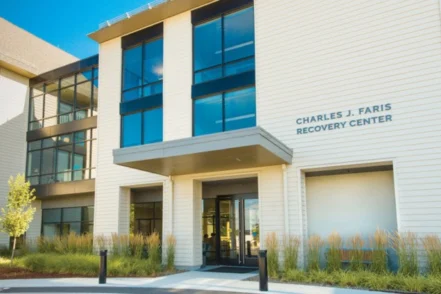 Massachusetts
New England Recovery Center
153 Oak Street Westborough, Massachusetts 1581
-
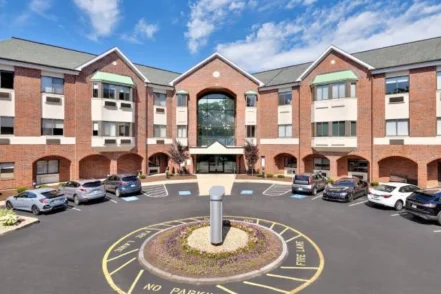 Massachusetts
Bedrock Recovery Center
1 Meadowbrook Way Canton, Massachusetts 02021
-
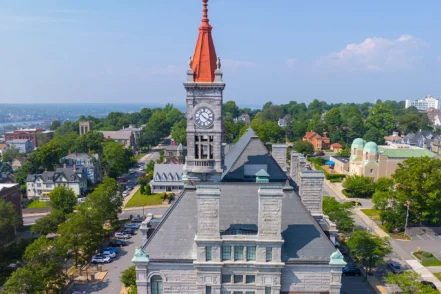 Massachusetts
SSTAR
386 Stanley Street, Fall River, MA 02720
-
 Massachusetts
Avenues Recovery Center at New England
81 Hall Street Concord, Massachusetts 03301
-
 Massachusetts
Aftermath Addiction Treatment Center
607 North Ave , Suite 11 E Wakefield, Massachusetts 01880
-
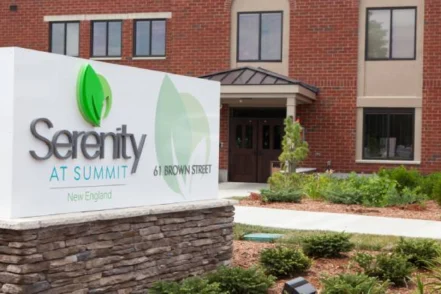 Massachusetts
Serenity at Summit New England
61 Brown Street Haverhill, Massachusetts 01830
-
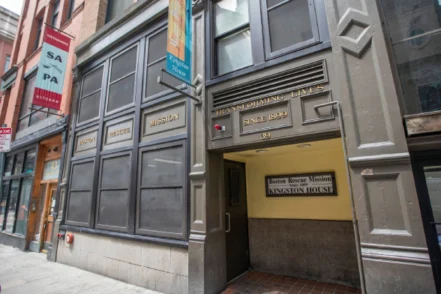 Massachusetts
Boston Rescue Mission Outpatient Counseling
39 Kingston Street Boston, Massachusetts 02111
-
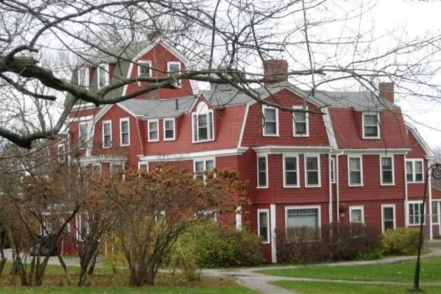 Massachusetts
Baldpate Treatment Center (Formerly Baldpate Hospital)
83 Baldpate Road, Georgetown, MA 01833
-
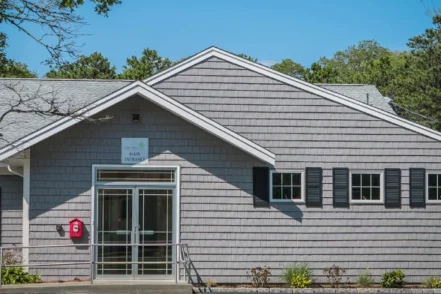 Massachusetts
Recovering Champions
279 Brick Kiln Road Falmouth, Massachusetts 02536
-
 Massachusetts
Spring Hill Recovery Center
250 Spring Hill Rd Ashby, MA 01431
-
 Massachusetts
Lawrence Medical Center
500 Congress Street, 2g, Quincy, MA 02169
Other Popular Massachusetts Cities
Browse by Massachusetts cities
FAQs
When is High Point Treatment Center open, and can you walk in?
Weekday hours differ by day. Monday through Thursday run 8 AM to 8 PM. Friday is 8am-4pm, and Saturday is 8 AM-12 PM. It’s closed Sunday. The Behavioral Health Urgent Care takes walk-in screenings, with a clinical visit within 48 hours, medication appointments within 72 hours and MOUD (medication for opioid use disorder) within 24 hours.
Who can get counseling or psychiatry here?
You’ll find counseling and psychiatry for children, adolescents and adults. The New Bedford Opioid Treatment Program (OTP) is a separate service. It provides methadone treatment to adults 18 and older with an opioid use disorder.
What kinds of therapy can you get here?
You’ll find individual sessions, groups, couples work and family sessions, for adolescents and for adults. Gambling services are listed too. Both appear on the services list.
Which medications are used for treatment here?
Medication management here includes Suboxone and Vivitrol as part of medication assisted treatment. Daily methadone dosing is through the New Bedford Opioid Treatment Program (OTP), which also offers buprenorphine (Suboxone) and naltrexone (Vivitrol).