
About Corrigan Mental Health Center
John Corrigan Mental Health Center is a state-operated behavioral health and dual-diagnosis treatment provider in Fall River, Massachusetts, associated with the Massachusetts Department of Mental Health.
The center offers a continuum of care that includes inpatient psychiatric treatment, partial hospitalization or day treatment and outpatient psychiatry.
With formal public oversight and a verified hospital footprint, the facility provides structured support for individuals managing serious mental health and co-occurring needs.
Therapeutic Approaches at John Corrigan Mental Health Center
The center provides hospital inpatient psychiatric treatment, partial hospitalization and day treatment and outpatient psychiatry.
Therapeutic approaches include cognitive behavioral therapy, dialectical behavior therapy, group therapy, trauma therapy and behavior modification, along with case management and peer support.
John Corrigan Mental Health Center serves adults, young adults and seniors, including transitional-age young adults.
Medicare Certified Psychiatric Hospital in Massachusetts
The facility is located at 49 Hillside Street in Fall River, Massachusetts, and serves the surrounding Greater Fall River community.
It operates as a Medicare-certified psychiatric hospital with 16 licensed beds.
Addiction Treatment Programs

Dual Diagnosis
The Dual Diagnosis program at Corrigan Mental Health Center addresses co-occurring mental illness and substance use, combining therapy and medication management for adults facing serious and persistent mental health conditions.

Adult Program
When people join an adult program in Massachusetts, they learn about topics such as employment and raising a family while receiving treatment. Some of the common services will include counseling and classes on coping skills, emotional management, communication, and other key life skills. Adult programs can provide inpatient or outpatient treatment.

Senior Rehab
Senior rehab in Massachusetts offers specialized addiction treatment for older adults that addresses their unique challenges. Some of the common services will include counseling and classes on coping skills, emotional management, pain management, and other key life skills. Senior programs can provide inpatient or outpatient treatment.

Young Adult Rehab
Young adult rehab programs in Massachusetts can help young people make healthier life choices and avoid common mistakes. Some of the common services will include counseling and classes on coping skills, emotional management, communication, and other key life skills. Young adult programs can provide inpatient or outpatient treatment.
Addiction Services
Corrigan Mental Health Center offers dedicated Addiction Services for adults in Fall River, integrating substance use treatment with outpatient mental health care, medication management, and case management support.
Intensive Outpatient Program
Corrigan Mental Health Center’s Intensive Outpatient Program provides structured therapy and medication management for adults in Fall River managing serious mental illness and related substance use concerns.
Program of Assertive Community Treatment (PACT)
PACT delivers comprehensive, community-based psychiatric treatment and rehabilitation for persons with serious and persistent mental illness, coordinated through Corrigan Mental Health Center’s Fall River programs.
Emergency Services Program
Corrigan Mental Health Center’s Emergency Services Program provides psychiatric emergency care for adults and children in Fall River, available 24 hours a day, seven days a week.
Homeless Outreach Team
The Homeless Outreach Team connects homeless individuals with mental illness to services and support through Corrigan Mental Health Center, extending community-based outreach beyond the Fall River facility.
Child and Adolescent Services
Corrigan Mental Health Center offers psychiatry, therapy, and case management specifically for children and adolescents, addressing evaluation and treatment needs for younger populations in Fall River.
Services for the Deaf and Hard of Hearing
Corrigan Mental Health Center provides specialized services for individuals who are deaf or hard of hearing, ensuring accessible mental health and case management support within its Fall River programs.
Insurance Coverage

Medicaid
If you qualify in Massachusetts, Medicaid is one of your options when it comes to paying for rehab. Medicaid covers multiple levels of care, and you may have no out-of-pocket costs. However, you’ll need to choose a treatment center that accepts Medicaid.

Private insurance
Paying for rehab in Massachusetts can be done in multiple ways, including using private insurance. Because plans vary, be sure to contact the insurer to find out what centers are in-network with your coverage and to find out what out-of-pocket costs you might be responsible for.

Self-pay options
In Massachusetts, you can use self-pay, also known as private pay, to cover the costs of rehab. Payment structure may vary depending on the level of care, but you can use a medical loan, write a check, or send money electronically.

Financial aid
One way to pay for rehab in Massachusetts is to use financial aid programs if you qualify. Financial aid options help you manage the cost of treatment by allowing you to use a grant or scholarship. Aid may be available through the center or through community groups in your area.

Medicare
Medicare is a good way to pay for substance use treatment in Massachusetts. Medicare plans may vary, so be sure to find out coverage details and what copayments or deductibles you might be responsible for.
Levels of Care
- 1
Inpatient Rehab
If you struggle with addiction in Massachusetts, inpatient care is one option for rehab. You’ll live full-time at the facility and focus fully on recovery. Inpatient treatment includes multiple approaches, including cognitive behavioral therapy (CBT), motivational interviewing (MI), and holistic therapy options.
- 2
Outpatient Rehab
Corrigan Mental Health Center provides outpatient mental health and addiction services for adults, children, and adolescents in Fall River, including medication management, individual and group therapy, and case management support.
- 3
Partial Hospitalization Program
The Partial Hospital Program at Corrigan Mental Health Center delivers intensive, structured treatment for adults with serious mental illness, offering a higher level of daytime clinical support than standard outpatient care.
Therapies

Cognitive Behavior Therapy
Not everything we think is true or helpful. Cognitive behavioral therapy in Massachusetts teaches you to challenge distorted thinking so you can see things more clearly and choose healthier responses. CBT is a common part of both inpatient and outpatient substance use treatment and may be used to help with skill-building, overcoming problematic behavior, and managing substance use triggers.

Experiential Therapy
In Massachusetts, experiential therapy helps you express your emotions in non-traditional ways. This makes it much easier to reach long-term recovery. Experiential therapy involves a variety of activities that can make it easier to process trauma and emotions and allow you to break through some of the root issues that hold you back from recovery.

Family Therapy
Family therapy is included among outpatient offerings at Corrigan Mental Health Center, supporting adults, children, and adolescents in Fall River as part of a broader continuum of mental health and substance use services.

Group Therapy
Group therapy sessions are provided through Adult Outpatient Services at Corrigan Mental Health Center, supporting individuals with serious and persistent mental illness alongside medication management and case management.

Individual Therapy
Corrigan Mental Health Center offers one-on-one therapy sessions for adults, children, and adolescents as part of its outpatient services in Fall River, addressing serious mental illness and co-occurring substance use concerns.

Trauma Therapy
During trauma-informed therapy in Massachusetts, you’ll be given the tools you need to manage your emotions and understand what happened in a healthier way. When you receive trauma-informed therapy, it may include peer support, grief counseling, medications to support mental health, and developing healthier responses to emotional triggers.
Location
Contact Corrigan Mental Health Center


 Sponsored
Treatmentcentersdirectory.com regularly reviews this listing for accuracy but changes may occur between updates. For the most up-to-date information, please contact Corrigan Mental Health Center.
Top Drug Rehab Centers in Massachusetts
-
 Massachusetts
Topsail Addiction Treatment
140 Haverhill Street, Suite 8 Andover, Massachusetts 01810
-
 Massachusetts
Aftermath Addiction Treatment Center
607 North Ave , Suite 11 E Wakefield, Massachusetts 01880
-
 Massachusetts
Boston Rescue Mission Outpatient Counseling
39 Kingston Street Boston, Massachusetts 02111
-
 Massachusetts
Recovering Champions
279 Brick Kiln Road Falmouth, Massachusetts 02536
-
 Massachusetts
New England Recovery Center
153 Oak Street Westborough, Massachusetts 1581
-
 Massachusetts
SSTAR
386 Stanley Street, Fall River, MA 02720
-
 Massachusetts
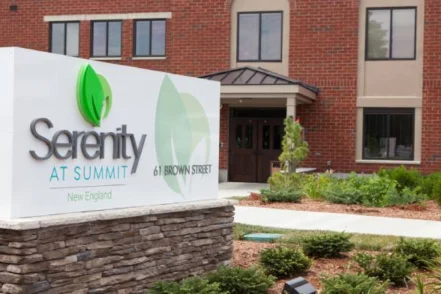
Serenity at Summit New England
61 Brown Street Haverhill, Massachusetts 01830
-
 Massachusetts
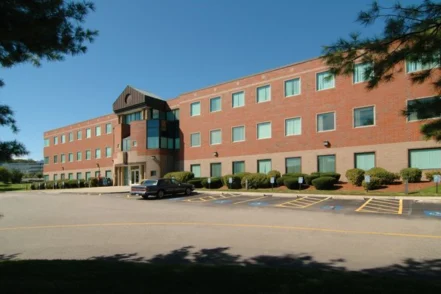
Lawrence Medical Center
500 Congress Street, 2g, Quincy, MA 02169
-
 Massachusetts
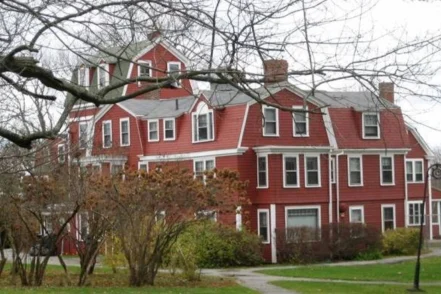
Baldpate Treatment Center (Formerly Baldpate Hospital)
83 Baldpate Road, Georgetown, MA 01833
- Massachusetts
Avenues Recovery Center at New England
81 Hall Street Concord, Massachusetts 03301
-
 Massachusetts
Bedrock Recovery Center
1 Meadowbrook Way Canton, Massachusetts 02021