
About Bournewood Hospital
Bournewood Hospital is a treatment center in Brookline, Massachusetts, on a 12-acre campus in the wooded Chestnut Hill neighborhood. Its inpatient programs serve adults with mental health or substance use conditions, and a separate unit handles detox. Youths aged 13 to 18 who are still in school are treated on the same campus, and admissions run around the clock.
What does the Brookline campus have?
Six inpatient units stand on the grounds, along with three partial hospitalization programs. A partial hospital program fills your days and sends you home in the evening, which fits a person who needs structure by day and a home at night. The programs in Massachusetts also run from a second site in Woburn. Residential care and outpatient care, including intensive outpatient, are not offered here.
Does Bournewood treat teenagers?
The adolescent program takes youths 13 to 18 who are still in school, and it treats mental health issues with therapy in several formats. A hospital setting keeps a teenager on the unit overnight, which a daytime program cannot do.
Which adult program focuses on LGBTQIA+ care?
Kaleidoscope is open to any adult seeking mental health support, and it keeps a particular focus on LGBTQIA+ and gender-expansive patients.
Bournewood has been open since 1884, and The Joint Commission accredits the Brookline campus while the Massachusetts Department of Mental Health licenses it. If you’re paying through Medicare or MassHealth, both are accepted, along with most private medical plans.
Addiction Treatment Programs

Alcohol Rehab
Alcohol use is treated within the hospital’s substance use care, and medication for alcohol use disorder is among the medications typically used.

Dual Diagnosis
Specialized programs exist for people with co-occurring conditions, so mental health and substance use care get handled together rather than apart.

Opioid Addiction
Medication for opioid use disorder is named among the medications used here, next to medication for alcohol use disorder.

Young Adult Rehab
Young adult rehab programs in Massachusetts can help young people make healthier life choices and avoid common mistakes. Some of the common services will include counseling and classes on coping skills, emotional management, communication, and other key life skills. Young adult programs can provide inpatient or outpatient treatment.

Adult Program
When people join an adult program in Massachusetts, they learn about topics such as employment and raising a family while receiving treatment. Some of the common services will include counseling and classes on coping skills, emotional management, communication, and other key life skills. Adult programs can provide inpatient or outpatient treatment.

Senior Rehab
Senior rehab in Massachusetts offers specialized addiction treatment for older adults that addresses their unique challenges. Some of the common services will include counseling and classes on coping skills, emotional management, pain management, and other key life skills. Senior programs can provide inpatient or outpatient treatment.

Men's Rehab
Men’s rehabs in Massachusetts address a wide range of substance use issues while also helping clients with gender-specific issues. Some of the common services they include are counseling and classes on coping skills, emotional management, communication, and other key life skills. Men’s programs can provide inpatient or outpatient treatment.

Women's Rehab
A women’s rehab in Massachusetts helps clients build same-gender friendships, overcome substance use, and learn new life skills. Some common services include counseling and classes on coping skills, emotional management, communication, parenting, and other key life skills. Women’s programs can provide inpatient or outpatient treatment.
Adolescent Program
Insurance Coverage

Medicaid
MassHealth, the state Medicaid program, is among the plans accepted at Bournewood.

Private insurance
Most private medical plans are among the insurance accepted here, alongside Medicare and MassHealth.

Self-pay options
In Massachusetts, you can use self-pay, also known as private pay, to cover the costs of rehab. Payment structure may vary depending on the level of care, but you can use a medical loan, write a check, or send money electronically.

Financial aid
One way to pay for rehab in Massachusetts is to use financial aid programs if you qualify. Financial aid options help you manage the cost of treatment by allowing you to use a grant or scholarship. Aid may be available through the center or through community groups in your area.

Medicare
Medicare is taken at Bournewood, next to MassHealth and most private medical plans.
Levels of Care
- 1
Detox Treatment
A specialized detoxification unit sits inside the inpatient programs at the Brookline campus, which is a secure hospital setting for adults and adolescents.
- 2
Inpatient Rehab
If you struggle with addiction in Massachusetts, inpatient care is one option for rehab. You’ll live full-time at the facility and focus fully on recovery. Inpatient treatment includes multiple approaches, including cognitive behavioral therapy (CBT), motivational interviewing (MI), and holistic therapy options.
- 3
Outpatient Rehab
During outpatient treatment in Massachusetts, each client attends multiple hours of care per week while living independently outside of treatment. Outpatient treatment is commonly a follow-up to residential treatment and may be used to help with skill-building, education, and to practice your new habits in daily life.
- 4
Aftercare Support
Accessing aftercare in Massachusetts is a way to reduce the risk of relapse, helping you establish long-term recovery. It’s common for a treatment program to offer aftercare support, which may include employment training, help with housing, alumni support groups, and more.
- 5
Sober Living Homes
Sober living in Massachusetts helps clients maintain long-term recovery by providing essential support after treatment ends. Some sober living programs are simply houses to live in and build your own life, while others include employment training, job assistance, life-skills classes, and more.
- 6
Intervention Services
Intervention services professionals can help you plan an intervention in Massachusetts to encourage your loved one to seek treatment. Intervention specialists help you plan and execute the intervention, and they can also help your loved one find the right treatment program.
- 7
Partial Hospitalization Program
During partial hospitalization programs (PHPs) in Massachusetts, each client attends multiple hours of care per week while living independently outside of treatment. Some of the elements of PHPs include individual and group counseling, skill-building, relapse prevention, group activities, and outings, and help with essentials like employment and housing.
Therapies

Cognitive Behavior Therapy
Not everything we think is true or helpful. Cognitive behavioral therapy in Massachusetts teaches you to challenge distorted thinking so you can see things more clearly and choose healthier responses. CBT is a common part of both inpatient and outpatient substance use treatment and may be used to help with skill-building, overcoming problematic behavior, and managing substance use triggers.

Experiential Therapy
In Massachusetts, experiential therapy helps you express your emotions in non-traditional ways. This makes it much easier to reach long-term recovery. Experiential therapy involves a variety of activities that can make it easier to process trauma and emotions and allow you to break through some of the root issues that hold you back from recovery.

Family Therapy
During family therapy in Massachusetts, clients and their loved ones can address dysfunctional relationships, resentments, and conflicts in order to create healthier relationships that support the client’s recovery. Family therapy sessions generally last 60 to 90 minutes and may include discussing marital issues, codependency, grief, domestic violence, trauma, and other topics that impact families. The goal is to create healthier relationships that can support recovery.

Group Therapy
During group therapy in Massachusetts, each client has a chance to share their unique experiences and feelings about the discussion topic. This creates accountability and support. Group therapy is a common part of both inpatient and outpatient substance use treatment, and may be used to help with skill-building, processing, and to present educational information.

Trauma Therapy
During trauma-informed therapy in Massachusetts, you’ll be given the tools you need to manage your emotions and understand what happened in a healthier way. When you receive trauma-informed therapy, it may include peer support, grief counseling, medications to support mental health, and developing healthier responses to emotional triggers.

Dialectical Behavior Therapy
People want to improve their situation but don’t always know how. Dialectical behavioral therapy in Massachusetts teaches you healthy coping mechanisms and improves your confidence so you can build a better life. DBT is a common part of both inpatient and outpatient substance use treatment and may be used to help with skill-building, overcoming problematic behavior, and managing substance use triggers.
Location
Contact Bournewood Hospital


 Sponsored
Treatmentcentersdirectory.com regularly reviews this listing for accuracy but changes may occur between updates. For the most up-to-date information, please contact Bournewood Hospital.
Top Drug Rehab Centers in Massachusetts
-
 Massachusetts
Baldpate Treatment Center (Formerly Baldpate Hospital)
83 Baldpate Road, Georgetown, MA 01833
-
 Massachusetts
Lawrence Medical Center
500 Congress Street, 2g, Quincy, MA 02169
-
 Massachusetts
Bedrock Recovery Center
1 Meadowbrook Way Canton, Massachusetts 02021
-
 Massachusetts
SSTAR
386 Stanley Street, Fall River, MA 02720
-
 Massachusetts
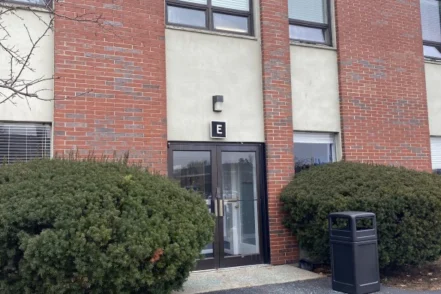
Aftermath Addiction Treatment Center
607 North Ave , Suite 11 E Wakefield, Massachusetts 01880
-
 Massachusetts
Avenues Recovery Center at New England
81 Hall Street Concord, Massachusetts 03301
-
 Massachusetts
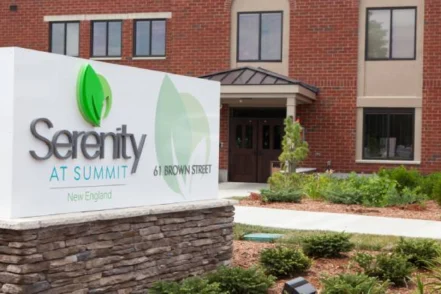
Serenity at Summit New England
61 Brown Street Haverhill, Massachusetts 01830
-
 Massachusetts
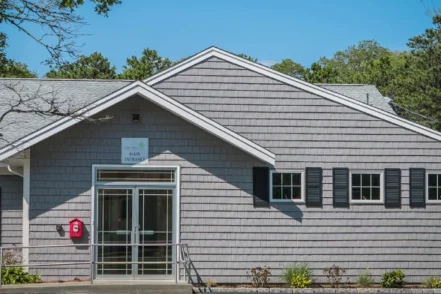
Recovering Champions
279 Brick Kiln Road Falmouth, Massachusetts 02536
-
 Massachusetts
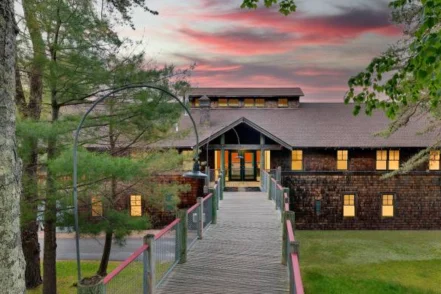
Spring Hill Recovery Center
250 Spring Hill Rd Ashby, MA 01431
-
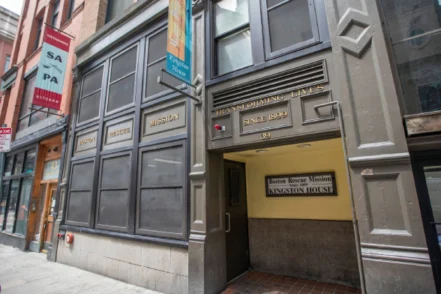 Massachusetts
Boston Rescue Mission Outpatient Counseling
39 Kingston Street Boston, Massachusetts 02111
-
 Massachusetts
New England Recovery Center
153 Oak Street Westborough, Massachusetts 1581
Other Popular Massachusetts Cities
Browse by Massachusetts cities
FAQs
Where is the main campus, and when can someone be admitted?
The main campus is a wooded 12-acre site in the Chestnut Hill neighborhood of Brookline. Partial hospitalization services also run at a Woburn campus. Admissions are accepted around the clock, every day.
Does Bournewood Hospital take Medicare and Medicaid?
Yes. Medicare, MassHealth and most other private medical plans are accepted here. MassHealth is the state Medicaid program, so the federal and state public plans both count, and most commercial plans fall under the private medical plans the hospital takes.
What ages and groups does the hospital serve?
Adults and adolescents are both served. The adolescent program is for people 13 to 18 who are still in school and dealing with mental health issues. The Kaleidoscope program is open to all adults and puts a special emphasis on members of the LGBTQIA+ and Gender-Expansive communities.
Which therapy approaches are used in the programs?
Cognitive behavioral therapy and dialectical behavior therapy are both part of the program. CBT is goal-oriented, aiming at negative thought patterns and the behaviors that follow them. DBT builds skills for handling intense emotion, relating to other people and sitting with distress.