
About Stetson School
Stetson School is a nationally accredited, Chapter 766 approved residential treatment and education program serving male youth and young adults ages 9 to 22 years in Barre, Massachusetts.
The program specializes in treating sexually problematic behaviors, complex developmental challenges, autism spectrum disorders and severe trauma histories through attachment oriented, trauma informed care. Stetson emphasizes family involvement, stabilization, comprehensive assessment and individualized transition planning in a staff secure, structured milieu.
Specialized Treatment for Sexually Problematic Behaviors
Stetson’s core focus is providing trauma informed residential treatment for male youth with sexually reactive and problematic sexual behaviors. The program offers age specific tracks including the Pre Teen Sexually Reactive Program, ages 9 to 13 years, the Adolescent Sexually Problematic program, ages 13 to 22 years and the ALPS track tailored to youth with learning and developmental needs.
Treatment integrates certified clinician delivered approaches including Trauma Focused Cognitive Behavioral Therapy, TF CBT and START, Systemic Training in the Recovery from Trauma. Youth participate in weekly individual therapy, cognitive behavioral and psychoeducational group therapy and family sessions, while clinical teams conduct ongoing risk assessments and develop individualized behavior plans through Functional Behavioral Assessment.
Comprehensive Trauma Recovery and Developmental Support
Beyond sexually problematic behavior treatment, Stetson offers specialized programming for youth with chronic mental illness, autism spectrum disorders and severe trauma histories. The FAST track provides a focused 122 day program for low to moderate risk youth, while additional models support adolescents with behavior disorders and complex developmental needs through structured, evidence based interventions.
Residential Care and Access
Stetson School operates on a 200 acre rural campus in Barre, Massachusetts, providing 24/7 residential treatment in a structured, supervised setting. On campus nursing care is available 7 days per week with psychiatric oversight and medication management, plus after hours medical consultation.
The program is SEVIS approved and accepts international placements. Insurance and payment details are available through direct inquiry.
Addiction Treatment Programs

Dual Diagnosis
During dual diagnosis treatment in Massachusetts, you’ll receive integrated care for your mental health and substance use concerns, helping you establish long-term recovery. Dual diagnosis programs may offer detox, inpatient treatment, and/or outpatient care. The key is that they provide integrated treatment for both mental health symptoms and substance use.

Young Adult Rehab
Young adult rehab programs in Massachusetts can help young people make healthier life choices and avoid common mistakes. Some of the common services will include counseling and classes on coping skills, emotional management, communication, and other key life skills. Young adult programs can provide inpatient or outpatient treatment.

LGBTQ Friendly Rehab
If you’re looking for a safe space to work on your recovery as an LGBTQ+ person, consider finding an LGBTQ+ friendly rehab in Massachusetts. In addition to typical detox, inpatient treatment, and outpatient care, an LGBTQ+ friendly program may also provide classes about building healthy relationships, overcoming rejection, managing trauma triggers, and more.
Insurance Coverage

Medicaid
If you qualify in Massachusetts, Medicaid is one of your options when it comes to paying for rehab. Medicaid covers multiple levels of care, and you may have no out-of-pocket costs. However, you’ll need to choose a treatment center that accepts Medicaid.

Self-pay options
In Massachusetts, you can use self-pay, also known as private pay, to cover the costs of rehab. Payment structure may vary depending on the level of care, but you can use a medical loan, write a check, or send money electronically.
Levels of Care
- 1
Inpatient Rehab
If you struggle with addiction in Massachusetts, inpatient care is one option for rehab. You’ll live full-time at the facility and focus fully on recovery. Inpatient treatment includes multiple approaches, including cognitive behavioral therapy (CBT), motivational interviewing (MI), and holistic therapy options.
Therapies

Cognitive Behavior Therapy
Not everything we think is true or helpful. Cognitive behavioral therapy in Massachusetts teaches you to challenge distorted thinking so you can see things more clearly and choose healthier responses. CBT is a common part of both inpatient and outpatient substance use treatment and may be used to help with skill-building, overcoming problematic behavior, and managing substance use triggers.

Dialectical Behavior Therapy
People want to improve their situation but don’t always know how. Dialectical behavioral therapy in Massachusetts teaches you healthy coping mechanisms and improves your confidence so you can build a better life. DBT is a common part of both inpatient and outpatient substance use treatment and may be used to help with skill-building, overcoming problematic behavior, and managing substance use triggers.

Experiential Therapy
In Massachusetts, experiential therapy helps you express your emotions in non-traditional ways. This makes it much easier to reach long-term recovery. Experiential therapy involves a variety of activities that can make it easier to process trauma and emotions and allow you to break through some of the root issues that hold you back from recovery.

Family Therapy
During family therapy in Massachusetts, clients and their loved ones can address dysfunctional relationships, resentments, and conflicts in order to create healthier relationships that support the client’s recovery. Family therapy sessions generally last 60 to 90 minutes and may include discussing marital issues, codependency, grief, domestic violence, trauma, and other topics that impact families. The goal is to create healthier relationships that can support recovery.

Group Therapy
During group therapy in Massachusetts, each client has a chance to share their unique experiences and feelings about the discussion topic. This creates accountability and support. Group therapy is a common part of both inpatient and outpatient substance use treatment, and may be used to help with skill-building, processing, and to present educational information.

Individual Therapy
You’re not alone as you work through addiction in Massachusetts. Individual therapy gives you a professional who’s on your side to help you build a new life. Individual focuses on improving both behavioral and emotional health. You may explore thought processes, develop motivation to change, and/or explore past events that may have played a part in your substance use.

Trauma Therapy
During trauma-informed therapy in Massachusetts, you’ll be given the tools you need to manage your emotions and understand what happened in a healthier way. When you receive trauma-informed therapy, it may include peer support, grief counseling, medications to support mental health, and developing healthier responses to emotional triggers.
Location
Contact Stetson School


 Sponsored
Treatmentcentersdirectory.com regularly reviews this listing for accuracy but changes may occur between updates. For the most up-to-date information, please contact Stetson School.
Top Drug Rehab Centers in Massachusetts
-
 Massachusetts
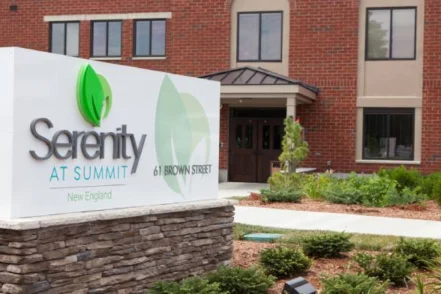
Serenity at Summit New England
61 Brown Street Haverhill, Massachusetts 01830
-
 Massachusetts
Topsail Addiction Treatment
140 Haverhill Street, Suite 8 Andover, Massachusetts 01810
-
 Massachusetts
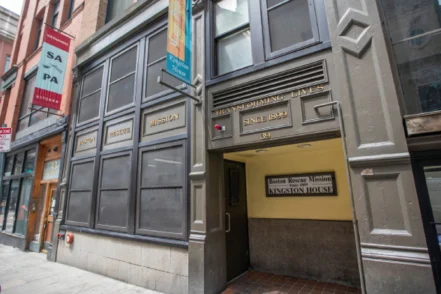
Boston Rescue Mission Outpatient Counseling
39 Kingston Street Boston, Massachusetts 02111
-
 Massachusetts
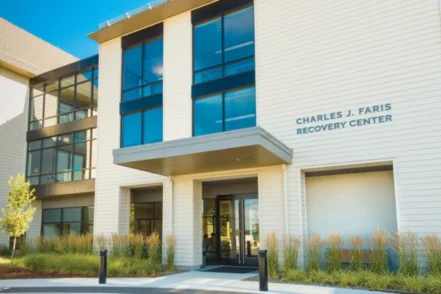
New England Recovery Center
153 Oak Street Westborough, Massachusetts 1581
-
 Massachusetts
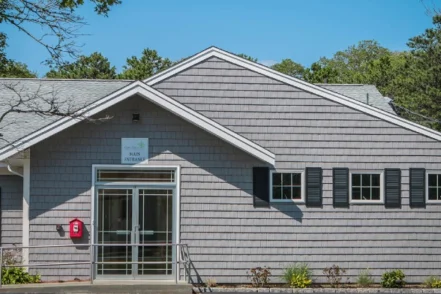
Recovering Champions
279 Brick Kiln Road Falmouth, Massachusetts 02536
-
 Massachusetts
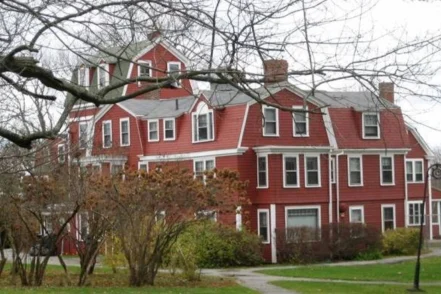
Baldpate Treatment Center (Formerly Baldpate Hospital)
83 Baldpate Road, Georgetown, MA 01833
-
 Massachusetts
Aftermath Addiction Treatment Center
607 North Ave , Suite 11 E Wakefield, Massachusetts 01880
-
 Massachusetts
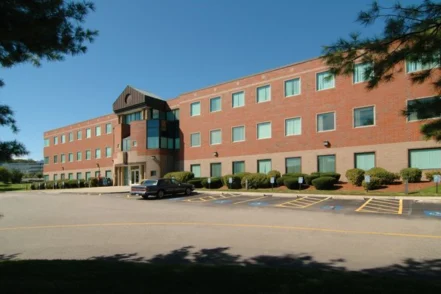
Lawrence Medical Center
500 Congress Street, 2g, Quincy, MA 02169
- Massachusetts
Avenues Recovery Center at New England
81 Hall Street Concord, Massachusetts 03301
-
 Massachusetts
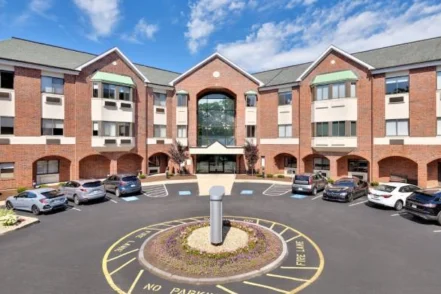
Bedrock Recovery Center
1 Meadowbrook Way Canton, Massachusetts 02021
-
 Massachusetts
SSTAR
386 Stanley Street, Fall River, MA 02720