
About Neuropsychiatry Institute Good Samaritan Hospital
The Neuropsychiatry Institute at Good Samaritan Hospital in Baltimore, Maryland is a hospital affiliated outpatient behavioral health provider offering substance use and mental health treatment for adults. The program emphasizes dual diagnosis care combining psychiatric services with addiction related therapies such as counseling.
What Sets the Neuropsychiatry Institute Apart
Key features of the Neuropsychiatry Institute at Good Samaritan Hospital include:
- Level of care: Hospital based outpatient treatment for substance use and mental health conditions.
- Dual diagnosis focus: Specialized support for adults with co-occurring substance use and psychiatric disorders.
- Evidence based therapies: Cognitive behavioral therapy, dialectical behavior therapy, trauma therapy, and relapse focused counseling.
- Populations served: Young adults, adults, seniors, veterans, military families, and court referred clients, including those with PTSD, serious mental illness, or Alzheimer’s and dementia.
- Additional services: Psychotropic medication management, illness management and recovery, education services, and suicide prevention support.
- Accessibility: Services available for clients who are hearing impaired.
Recovery With Neuropsychiatric Orientation
Starting treatment begins with an assessment and discussion of care needs. The center matches clients to appropriate outpatient services, reviews insurance and payment options, and coordinates care for co-occurring conditions.
With a strong neuropsychiatric orientation, the center is designed for clients whose recovery involves complex co-occurring mental health needs.
Addiction Treatment Programs

Dual Diagnosis
For many people in Maryland, dual diagnosis treatment that addresses mental health and substance use is essential to their recovery. Part of treatment will include managing your mental health symptoms so you aren’t tempted to use substances to self-medicate. This can be done without counseling and medication.

Adult Program
Adult program programs in Maryland address the specific needs of this stage of life. These treatment programs offer detox, inpatient treatment, and outpatient care tailored to the specific needs and challenges of adults.

Senior Rehab
Adults who are older have different needs than younger generations. A senior rehab in Maryland can give you the tools you need to overcome addiction. These treatment programs offer detox, inpatient treatment, and outpatient care tailored to the unique needs and challenges of older adults, such as chronic pain, mental health concerns, and more.

Young Adult Rehab
A young adult rehab in Maryland addresses the recovery needs of clients in this life stage and gives them the tools they need to succeed. These treatment programs offer detox, inpatient treatment, and outpatient care tailored to the unique needs and challenges of young adults.
Levels of Care
- 1
Outpatient Rehab
If you struggle with addiction in Maryland, outpatient care is one option for rehab. You’ll live at home or in sober living outside of sessions. Some of the elements of outpatient treatment include individual and group counseling, skill-building, relapse prevention, and help with essentials like employment and housing.
Therapies

Cognitive Behavior Therapy
Receiving cognitive behavioral therapy in Maryland helps you identify your automatic interpretations of situations and how that impacts your behavior. Learning which thought distortions you are most susceptible to can help you challenge unhelpful thoughts, create better interpretations of situations, and choose healthier responses.

Dialectical Behavior Therapy
Receiving dialectical behavioral therapy in Maryland helps you identify your strengths and learn how to create a better life for yourself. Learning to develop a healthier mindset through stress management skills gives you the ability to create better circumstances in your life, and choose healthier responses to challenges.

Family Therapy
If you struggle with addiction in Maryland, it’s common to have broken and dysfunctional family relationships. Family therapy can help you address those issues and find support from your loved ones. Family therapy can mean addressing uncomfortable and challenging issues, but having a professional therapist facilitating the sessions makes it easier for everyone to share honestly and improve their relationships.

Group Therapy
If you struggle with addiction in Maryland, it’s common to feel like no one understands you. Group therapy can help you find common perspectives and support. Some of the topics covered in group therapy include overcoming shame and guilt, improving communication, developing healthy coping skills, and building a support network.

Individual Therapy
In Maryland, individual therapy allows you to work one-on-one with a professional to address your past experiences and substance use triggers. This support and accountability help you establish recovery. Individual therapy sessions generally last 60 minutes and may include discussing a specific issue, education about specific topics, or developing life skills.

Trauma Therapy
When you’ve experienced trauma, it’s natural to try to protect yourself from further harm. Trauma-informed therapy in Maryland can help you see how substance use is connected to your past experiences and how you can learn to care for yourself in healthier ways. Trauma-informed therapy is a normal part of evidence-based treatment programs and may be a part of inpatient treatment, outpatient care, or both. Methods include sharing of experiences, peer support, mindfulness practices, and more.
Location
Contact Neuropsychiatry Institute Good Samaritan Hospital

 Sponsored
Treatmentcentersdirectory.com regularly reviews this listing for accuracy but changes may occur between updates. For the most up-to-date information, please contact Neuropsychiatry Institute Good Samaritan Hospital.
Top Drug Rehab Centers in Maryland
-
 Maryland
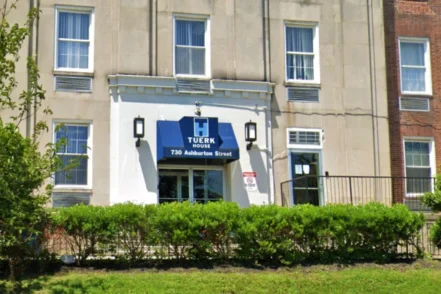
Tuerk House
730 Ashburton Street, Baltimore, MD 21216
-
 Maryland
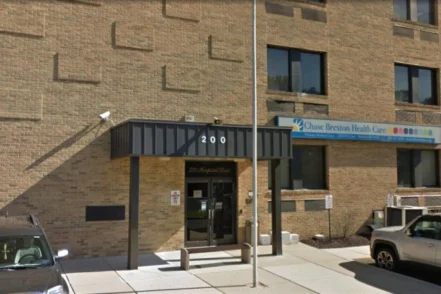
Chase Brexton Health Care – Glen Burnie Center
200 Hospital Drive, #300, Glen Burnie, MD 21061
-
 Maryland
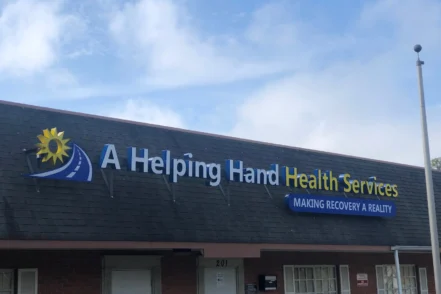
A Helping Hand Health Services
6401 Dogwood Road, #201, Woodlawn, MD 21207
-
 Maryland
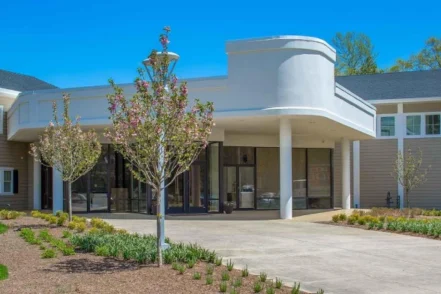
Recovery Centers of America Capital Region
11100 Billingsley Road, Waldorf, MD 20602
-
 Maryland
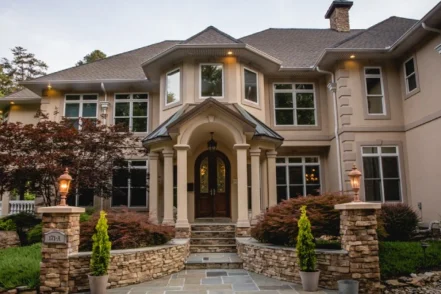
Tranquility Woods Addiction Treatment Center
171A Ryan Road, Pasadena, MD 21122
-
 Maryland
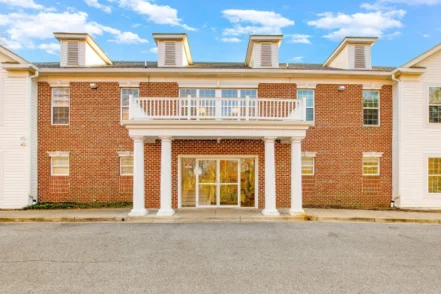
Avenues Recovery Center at Prince Frederick
125 Fairground Road Prince Frederick, Maryland 20678
-
 Maryland
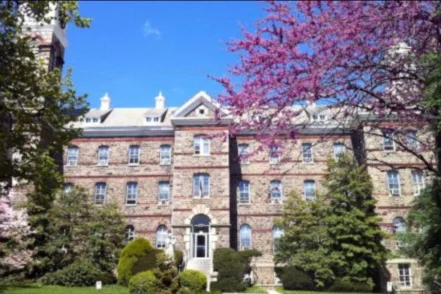
Mountain Manor Treatment Center Emmitsburg
9701 Keysville Road Emmitsburg, Maryland 21727
-
 Maryland
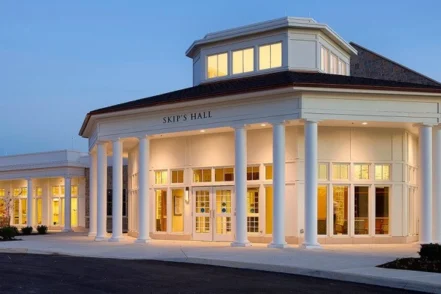
Ashley Addiction Treatment Havre De Grace
800 Tydings Lane Havre De Grace, Maryland 21078
-
 Maryland
Maryland Addiction Recovery Center Baltimore
8600 Lasalle Road, 212, Towson, MD 21286