
About Health Care for the Homeless
Health Care for the Homeless Downtown is a substance use treatment provider in Baltimore, Maryland. Its whole client low barrier approach is designed for clients navigating both substance use and housing instability.
This Federally Qualified Health Center offers integrated addiction care including medication assisted treatment, syringe services, and behavioral health support alongside medical and social services.
What kinds of addiction treatment does Health Care for the Homeless Downtown offer?
The Downtown clinic provides substance use disorder treatment that includes medication assisted treatment, intensive outpatient services, and syringe services. Referrals to residential treatment are also available and behavioral health therapy and psychiatry are offered alongside addiction care for a coordinated whole client approach.
Who can get help here?
This location serves clients experiencing homelessness or unstable housing including those living on the street, in shelters, doubled up, or exiting hospitals or prisons. Care is available to adults, children, youth, and families regardless of immigration status or insurance coverage.
Where is the clinic located?
Health Care for the Homeless Downtown is located on Fallsway in Baltimore serving as the organization’s headquarters and primary downtown clinic within a broader multi-site network across the city and county.
Do they take insurance or offer help getting coverage?
The organization accepts most insurance plans and provides on-site insurance and benefits enrollment for those without coverage. Care is offered regardless of insurance status.
Addiction Treatment Programs

Alcohol Rehab
The best way to achieve recovery from alcohol use disorder is by completing a high-quality alcohol rehab in Maryland and applying the tools you learn to stay in sobriety. These treatment programs offer detox, inpatient treatment, and outpatient care. You may receive individual, group, and family counseling, peer support, and classes in essential life skills.

Dual Diagnosis
For many people in Maryland, dual diagnosis treatment that addresses mental health and substance use is essential to their recovery. Part of treatment will include managing your mental health symptoms so you aren’t tempted to use substances to self-medicate. This can be done without counseling and medication.

Opioid Addiction
Facilities that offer substance use treatment in Maryland can give you the skills and tools you need to break free from opioid addiction. The rehab program may use multiple approaches, including nutrition, psychology, holistic methods, and support groups. These tools help you build a substance-free lifestyle and move into long-term recovery.

Young Adult Rehab
A young adult rehab in Maryland addresses the recovery needs of clients in this life stage and gives them the tools they need to succeed. These treatment programs offer detox, inpatient treatment, and outpatient care tailored to the unique needs and challenges of young adults.

Adult Program
Adult program programs in Maryland address the specific needs of this stage of life. These treatment programs offer detox, inpatient treatment, and outpatient care tailored to the specific needs and challenges of adults.

LGBTQ Friendly Rehab
An LGBTQ+ friendly rehab in Maryland can help you achieve long-term recovery by minimizing stigma and giving you the tools you need to break free from addiction. Members of the LGBTQ+ community have often experienced trauma, rejection, and even abuse. These concerns are addressed along with typical evidence-based detox, inpatient treatment, and outpatient care.

Men's Rehab
A men’s rehab in Maryland can provide every level of care while addressing the unique needs of men. These treatment programs offer detox, inpatient treatment, and outpatient care tailored to the unique needs and challenges men face, which may include questions about career, fatherhood, family relationships, emotional vulnerability, and more.

Women's Rehab
Choosing a women’s rehab in Maryland can be a great way to manage gender-specific issues while also addressing substance use. These treatment programs offer detox, inpatient treatment, and outpatient care tailored to the unique needs and challenges of women. They generally also include life skills training tailored to the client’s needs.

Medication Assisted Treatment (MAT)
Health Care for the Homeless offers buprenorphine and naltrexone for opioid use disorder, combined with counseling and recovery support, delivered on a walk-in basis at the 421 Fallsway headquarters.
Overdose Prevention
The Substance Use Services team at Health Care for the Homeless provides overdose prevention education and naloxone distribution as part of harm reduction efforts for Baltimore’s homeless population.
Syringe Services Program
Health Care for the Homeless operates a syringe services program as part of its harm reduction approach, supporting people who use drugs in Baltimore City with low-barrier health resources.
Housing Services
Supportive housing services help patients of Health Care for the Homeless access stable housing resources alongside substance use and behavioral health treatment, addressing needs specific to homelessness in Baltimore.
Medical Respite
Medical respite care offers recovery space for patients experiencing homelessness who need ongoing medical support after treatment, provided as part of the integrated services at Health Care for the Homeless.
Insurance Coverage

Financing available
How do you pay for rehab in Maryland? A good option is to find out if financing options are available. You can use financing to pay for detox, inpatient rehab, outpatient care, and more. Options include grants, scholarships, and medical loans.

Military insurance
How do you pay for rehab in Maryland? If you have military insurance, consider using it to pay for some or all of the costs of treatment. Keep in mind that plans vary, so it’s important to check with your insurer for coverage information and to find out which treatment centers are in-network with your plan.

Medicaid
One way to pay for rehab in Maryland is to use Medicaid if you qualify for the coverage. You can access multiple types of treatment in centers that accept Medicaid, including detox, inpatient, and outpatient care.

Medicare
How do you pay for rehab in Maryland? A good option is Medicare. You’ll want to find out what treatment centers accept your plan and get the details on what out-of-pocket costs you might have, such as deductibles and copays.

Financial aid
If you’re looking for ways to pay for rehab in Maryland, consider using financial aid programs. Treatment centers may offer grants or scholarships that make it easier for those who are lower-income to get the care they need. Contact the treatment center you’re interested in for details.
Levels of Care
- 1
Inpatient Rehab
If you’re starting out on your recovery journey, inpatient treatment can give you the focused, supportive environment you need to build a solid foundation. Building a new life for yourself is challenging, and the focused, uninterrupted treatment you receive during inpatient care can help you lay that foundation.
- 2
Outpatient Rehab
Health Care for the Homeless provides a full range of outpatient substance use services at its Downtown Baltimore headquarters, including walk-in access Monday through Friday for individuals experiencing homelessness.
Therapies

Creative Arts Therapy
Sometimes trauma and emotions are buried deeply, and creative arts therapy in Maryland is a non-traditional therapy that can allow you to express and work through them. By participating in guided art activities, you can learn to face internal issues without turning to substance use. Instead, you’ll develop healthy coping mechanisms.

Group Therapy
If you struggle with addiction in Maryland, it’s common to feel like no one understands you. Group therapy can help you find common perspectives and support. Some of the topics covered in group therapy include overcoming shame and guilt, improving communication, developing healthy coping skills, and building a support network.

Individual Therapy
In Maryland, individual therapy allows you to work one-on-one with a professional to address your past experiences and substance use triggers. This support and accountability help you establish recovery. Individual therapy sessions generally last 60 minutes and may include discussing a specific issue, education about specific topics, or developing life skills.

Trauma Therapy
When you’ve experienced trauma, it’s natural to try to protect yourself from further harm. Trauma-informed therapy in Maryland can help you see how substance use is connected to your past experiences and how you can learn to care for yourself in healthier ways. Trauma-informed therapy is a normal part of evidence-based treatment programs and may be a part of inpatient treatment, outpatient care, or both. Methods include sharing of experiences, peer support, mindfulness practices, and more.
Individual Counseling
Counseling is provided as part of outpatient substance use services at Health Care for the Homeless, supporting patients receiving medication for opioid use disorder alongside recovery support at the Fallsway location.
Psychiatric Services
The behavioral health team at Health Care for the Homeless offers psychiatry services to address co-occurring mental health concerns such as depression, anxiety, and PTSD among patients in Baltimore.
Case Management
Case management connects patients of Health Care for the Homeless to housing resources, benefits assistance, and coordinated care, supporting recovery for individuals experiencing homelessness in Baltimore City.
Accreditations

Location
Contact Health Care for the Homeless


 Sponsored
Treatmentcentersdirectory.com regularly reviews this listing for accuracy but changes may occur between updates. For the most up-to-date information, please contact Health Care for the Homeless.
Top Drug Rehab Centers in Maryland
-
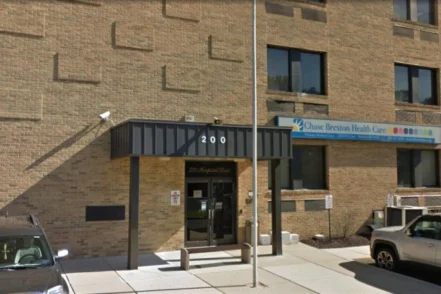 Maryland
Chase Brexton Health Care – Glen Burnie Center
200 Hospital Drive, #300, Glen Burnie, MD 21061
-
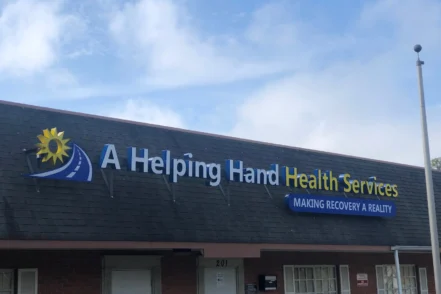 Maryland
A Helping Hand Health Services
6401 Dogwood Road, #201, Woodlawn, MD 21207
-
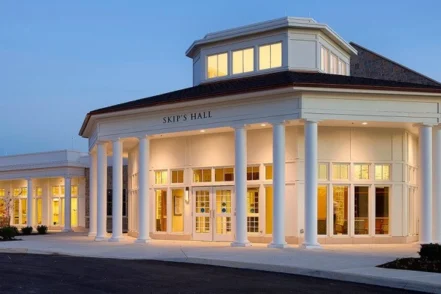 Maryland
Ashley Addiction Treatment Havre De Grace
800 Tydings Lane Havre De Grace, Maryland 21078
-
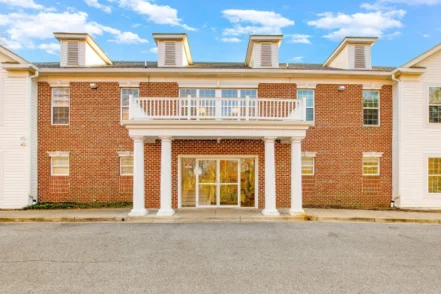 Maryland
Avenues Recovery Center at Prince Frederick
125 Fairground Road Prince Frederick, Maryland 20678
-
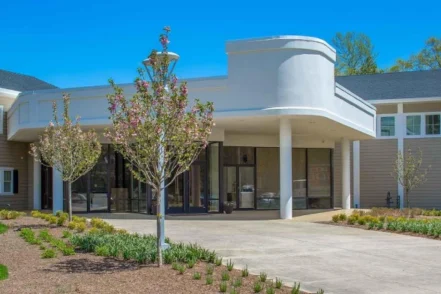 Maryland
Recovery Centers of America Capital Region
11100 Billingsley Road, Waldorf, MD 20602
-
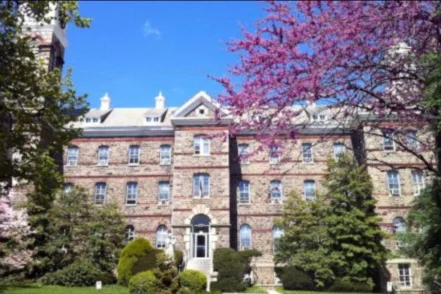 Maryland
Mountain Manor Treatment Center Emmitsburg
9701 Keysville Road Emmitsburg, Maryland 21727
-
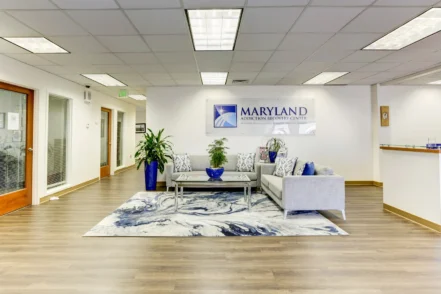 Maryland
Maryland Addiction Recovery Center Baltimore
8600 Lasalle Road, 212, Towson, MD 21286
-
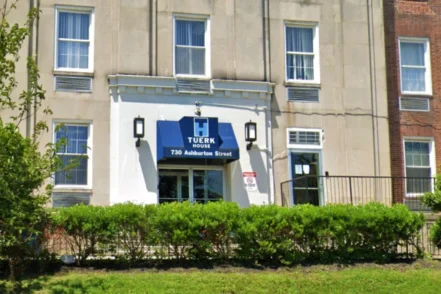 Maryland
Tuerk House
730 Ashburton Street, Baltimore, MD 21216
-
 Maryland
Tranquility Woods Addiction Treatment Center
171A Ryan Road, Pasadena, MD 21122