
About Methodist Family Health Arkansas CARES
Methodist Family Health Arkansas CARES provides a comprehensive range of services to help those struggling with addiction. Their programs are designed to meet the unique needs of each individual, and they offer a variety of therapies to help people overcome their addiction. They also provide aftercare support to help people stay on track after they leave treatment.
Addiction Treatment Programs

Alcohol Rehab
Alcohol rehab in Arkansas provides professional treatment to help clients overcome alcohol misuse and build a substance-free life. Common services include counseling and classes on coping skills, emotional management, communication, and other key life skills. Alcohol rehab programs can provide inpatient or outpatient treatment.

Dual Diagnosis
It’s common to have both a mental health disorder and substance use problems. The right rehab in Arkansas can treat both issues. Dual diagnosis programs may offer detox, inpatient treatment, and/or outpatient care. The key is that they provide integrated treatment for both mental health symptoms and substance use.

Opioid Addiction
If you’re looking to break free of opioid addiction, a high-quality rehab in Arkansas can help. Drug rehab may include detox, inpatient treatment, and/or outpatient care. You’ll learn the roots of addiction and learn how to build a substance-free life.

Adult Program
An adult program in Arkansas helps clients overcome substance use and address issues such as employment and family. Some of the common services will include counseling and classes on coping skills, emotional management, communication, and other key life skills. Adult programs can provide inpatient or outpatient treatment.

Senior Rehab
The best way to achieve long-term recovery, if you are older in Arkansas, may be to find a senior rehab. Some of the common services will include counseling and classes on coping skills, emotional management, pain management, and other key life skills. Senior programs can provide inpatient or outpatient treatment.

Women's Rehab
Women need unique support, and a women’s rehab in Arkansas can help them manage gender-specific concerns while overcoming addiction. Some common services include counseling and classes on coping skills, emotional management, communication, parenting, and other key life skills. Women’s programs can provide inpatient or outpatient treatment.

Young Adult Rehab
A young adult rehab in Arkansas can provide every level of care while addressing the unique needs of young adults. Some of the common services will include counseling and classes on coping skills, emotional management, communication, and other key life skills. Young adult programs can provide inpatient or outpatient treatment.
Pregnant & Postpartum
Arkansas CARES is a residential program specifically for pregnant and postpartum women with substance use disorders, combining recovery support with maternal and infant care in a family-centered setting.
Trauma Survivors
Children and adolescents who have experienced severe trauma, including commercial sexual exploitation or trafficking, receive trauma-informed residential treatment at Arkansas CARES in Little Rock, Arkansas.
Family Program
Arkansas CARES works closely with families, caregivers, and community partners, integrating family therapy and coordination of services to support each client’s long-term healing and successful transition home.
Insurance Coverage

Self-pay options
Paying out of pocket for substance use treatment in Arkansas is known as self-pay. You can write a check or secure a medical loan from a bank or credit union. Different fee and payment structures may be available depending on the level of care.

Medicaid
If you’re looking for ways to pay for rehab in Arkansas, consider using Medicaid if you qualify. Using Medicaid can allow you to access treatment without paying much, if anything, out of pocket. Be sure to find a center that accepts Medicaid and has the level of care you need.

Financing available
How do you pay for rehab in Arkansas? A good option is to find out if financing options are available. Financing allows you to spread out the cost of treatment over time or may help you get a lower fee. Options include payment plans, scholarships, grants, and medical loans.

Medicare
How do you pay for rehab in Arkansas? A good option is Medicare. Your coverage can pay some or all of the costs of rehab. Different Medicare plans have different coverage details, and it’s important to choose a center that accepts your plan.

Free
For those struggling with the cost of addiction treatment in Arkansas, finding free programs can make rehab more accessible. Free rehabs in your area may be run by the state or county, so consider starting there in your search. They can offer all levels of care, including detox, inpatient treatment, and outpatient care.
Levels of Care
- 1
Inpatient Rehab
Arkansas CARES operates a residential treatment program in Little Rock for pregnant and postpartum women with substance use disorders, providing 24/7 structured care alongside recovery and parenting supports.
- 2
Aftercare Support
Having long-term support and encouragement is vital for long-term recovery, and aftercare in Arkansas provides those resources. It’s common for a treatment program to offer aftercare support, which may include employment training, help with housing, alumni support groups, and more.
- 3
Intervention Services
If your loved one needs addiction treatment, intervention in Arkansas may be a great option. Intervention specialists help you plan and execute the intervention, and they can also help your loved one find the right treatment program.
- 4
Outpatient Rehab
Methodist Family Health’s continuum of care includes outpatient services through Arkansas CARES, extending support to youth and families in Little Rock beyond residential stays for ongoing behavioral health needs.
Therapies

Cognitive Behavior Therapy
Cognitive behavioral therapy acknowledges that your thinking impacts your emotions and actions and helps you create healthier thought patterns. CBT is a common part of both inpatient and outpatient substance use treatment and may be used to help with skill-building, overcoming problematic behavior, and managing substance use triggers.

Dialectical Behavior Therapy
Dialectical behavioral therapy acknowledges that your confidence and coping skills have a big impact on your substance use habits. DBT is a common part of both inpatient and outpatient substance use treatment and may be used to help with skill-building, overcoming problematic behavior, and managing substance use triggers.

Family Therapy
Family therapy is central to the family-centered approach at Arkansas CARES, coordinating care between mothers, infants, and caregivers to support healing and long-term stability for the whole family unit.

Group Therapy
Group therapy sessions support clients at Arkansas CARES, helping women and youth in Little Rock process trauma and substance use experiences alongside peers within a structured, therapeutic environment.

Individual Therapy
Arkansas CARES incorporates individual therapy as part of its trauma-focused treatment model for pregnant and postpartum women and for children and adolescents in Little Rock facing substance use and trauma histories.

Rational Behavioral Therapy
Many people benefit from rational behavior therapy in Arkansas because they gain tools to challenge irrational beliefs. During treatment, you’ll examine activating events, identify irrational beliefs that affect your response, and learn the skills necessary to consciously choose a different reaction to each situation.

Trauma Therapy
During trauma-informed therapy in Arkansas, clients will receive support that acknowledges what they’ve been through and helps them craft a healthier response. When you receive trauma-informed therapy, it may include peer support, grief counseling, medications to support mental health, and developing healthier responses to emotional triggers.
Parenting Education
Arkansas CARES offers parenting education for pregnant and postpartum women in recovery, helping mothers build skills to care for their infants while addressing substance use disorders in a residential setting.
Life Skills Training
Life skills training at Arkansas CARES equips women and youth with practical tools for daily living, supporting a smoother transition from residential treatment toward independent, stable living.
Medication Management
Medication management services are provided within Arkansas CARES programming, supporting psychiatric care needs alongside therapy for children, adolescents, and women receiving trauma-informed treatment.

Recreational Therapy
Recreational therapy is included among the wraparound supports at Arkansas CARES, giving children and adolescents structured activities that complement individual, group, and family therapy sessions.
Accreditations


Location
Contact Methodist Family Health Arkansas CARES


 Sponsored
Treatmentcentersdirectory.com regularly reviews this listing for accuracy but changes may occur between updates. For the most up-to-date information, please contact Methodist Family Health Arkansas CARES.
Top Drug Rehab Centers in Arkansas
-
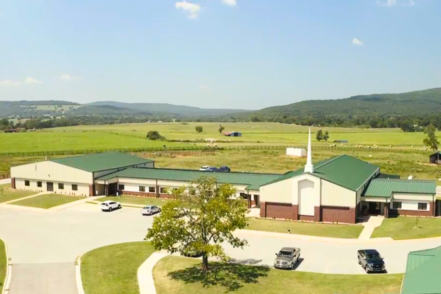 Arkansas
Teen Challenge Adventure Ranch
19856 Boys Home Road, Morrow, AR 72749
-
 Arkansas
Northeast Arkansas Treatment Services
912 Osler Drive, Suite B Jonesboro, Arkansas 72401
-
 Arkansas
Bradford Health Services Little Rock
11215 Hermitage Road, Suite 204 Little Rock, Arkansas 72211
-
 Arkansas
Ouachita Behavioral Health and Wellness
1615 Martin Luther King Boulevard, Malvern, AR 72104
-
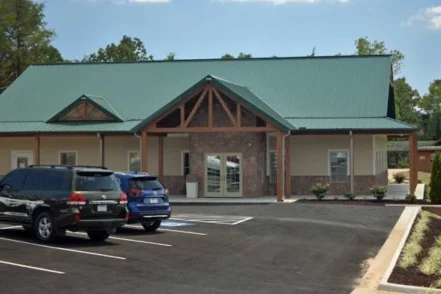 Arkansas
Capstone Treatment Center Judsonia
120 Meghan Lane Judsonia, Arkansas 72081
-
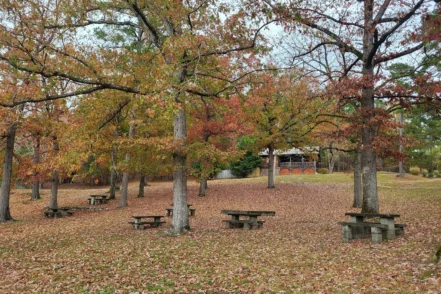 Arkansas
Oasis Renewal Center
14913 Cooper Orbit Road, Little Rock, AR 72223
-
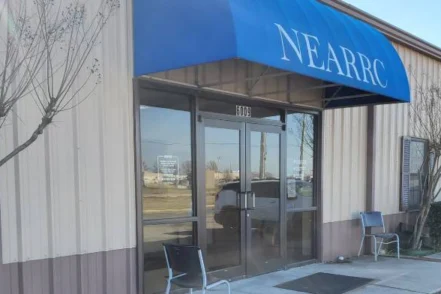 Arkansas
Crowleys Ridge Development Council
6009 Cw Post Road Jonesboro, Arkansas 72401
-
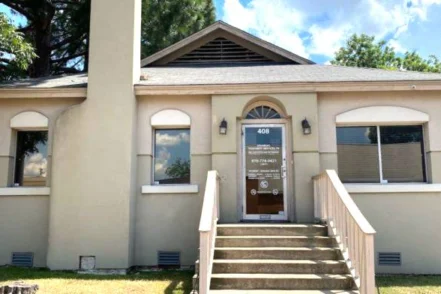 Arkansas
Arkansas Treatment Services, LLC
408 Hazel Street, Texarkana, AR 71854