
Wisconsin Lawmakers Approve $10M for Mental Health Treatment Center
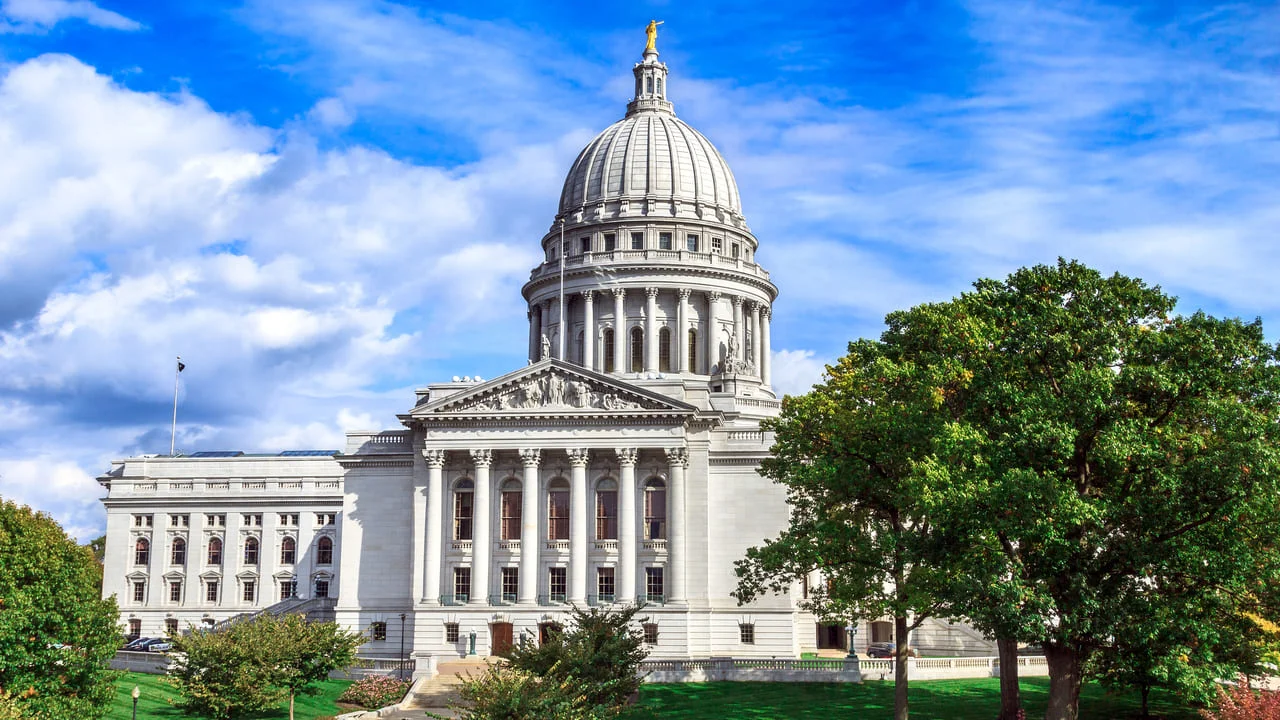
Wisconsin lawmakers have unanimously approved $10 million to fund a new mental health and substance abuse treatment center. This will provide dual diagnosis treatment in western Wisconsin.
It’s a milestone for a region that has been without a major inpatient behavioral health facility since 2024.
The grant, released by the state’s powerful Joint Finance Committee in a 15-0 vote, is earmarked for Rogers Behavioral Health, a national nonprofit specializing in comprehensive mental health and addiction treatment services.
The funding marks the end of a nearly two-year political standoff following the abrupt withdrawal of Hospital Sisters Health System (HSHS) from the region.
It was a collapse that shuttered two major hospitals and eliminated the L.E. Phillips-Libertas Center, northwestern Wisconsin’s largest inpatient treatment facility for alcohol and drug abuse.
The Mental Health and Addiction Treatment Gap Left Behind
When HSHS closed its doors in western Wisconsin in 2024, it didn’t just eliminate hospital beds. It erased the region’s primary resource for integrated mental health and substance use disorder treatment.
People experiencing psychiatric crises, addiction or co-occurring disorders, meaning they live with both a mental health condition and a substance use disorder simultaneously, were suddenly left with no local options.
“Since the closure of the Libertas Center in 2024, people needing inpatient mental health and substance abuse treatment services have had to travel to facilities in Madison, Milwaukee or Minnesota,” said Tanya Potter, head of the Chippewa Valley chapter of the National Alliance on Mental Illness (NAMI).
The financial and logistical burden on patients and families has been significant. Travel costs, time away from support networks and the disruption of ongoing care all compound the difficulty of an already vulnerable situation.
For individuals in crisis, or families trying to get a loved one into treatment quickly, distance can be the difference between getting help and not getting it at all.
Rogers Behavioral Health: A Comprehensive Treatment Model
Rogers Behavioral Health is well-positioned to fill this gap. The nonprofit has already purchased an 18-acre property in Chippewa Falls and has contracted a construction company for the new facility, which is expected to open in early 2027.
Critically, Rogers isn’t waiting for the building. Outpatient clinics in both Chippewa Falls and Eau Claire are anticipated to open in September 2026.
They’ll offer a stepped continuum of care that includes Partial Hospitalization Programs (PHP), Intensive Outpatient Programs (IOP), outpatient counseling, psychiatric evaluations, and medication monitoring.
This kind of tiered service model, from outpatient counseling to intensive outpatient to partial hospitalization to full inpatient care, is widely considered best practice in behavioral health treatment.
It allows clinicians to match individuals to the right level of care based on the severity of their symptoms, rather than defaulting to either crisis intervention or minimal support.
Understanding Dual Diagnosis and Why Integrated Treatment Matters
Many people seeking mental health treatment also struggle with substance use and vice versa. This overlap, known as dual diagnosis or co-occurring disorders, is more common than most people realize.
Conditions like depression, anxiety, PTSD and bipolar disorder frequently co-occur with alcohol use disorder, opioid dependence or other substance use disorders.
When these conditions aren’t treated together, outcomes suffer. A person who receives addiction treatment but not mental health care is more likely to relapse, because the underlying psychiatric symptoms remain unaddressed.
Integrated treatment, addressing both conditions simultaneously within a single program, produces significantly better long-term results.
Treatment Approaches at Comprehensive Behavioral Health Centers
Facilities like the planned Rogers center in Chippewa Falls typically offer evidence-based therapies shown to be effective for both mental health and co-occurring conditions. This includes:
Cognitive Behavioral Therapy (CBT), which helps patients identify and change thought patterns driving both mood disorders and addictive behavior.
Dialectical Behavior Therapy (DBT), particularly effective for emotional dysregulation, self-harm and borderline personality disorder with co-occurring substance use.
Trauma-informed therapies, such as EMDR for individuals whose mental health and addiction issues are rooted in past trauma.
Medication management and psychiatric evaluation, essential for conditions like depression, bipolar disorder or anxiety that may require pharmacological support alongside therapy.
What This Means for Families in Western Wisconsin
For families in the Chippewa Valley who have spent two years navigating a fractured system, the news carries real relief.
Kristin Deprey, Peer Support Program Director for NAMI Chippewa Valley, acknowledged the limits of community-based support in the absence of clinical infrastructure.
“There are places like Rogers Behavioral Health that are going to be able to do things that we can’t do,” Deprey said, “and this is just a wonderful thing for our community.”
The bipartisan 15-0 vote also signals something important: that access to mental health and dual diagnosis treatment is not a partisan issue, even when the politics surrounding healthcare funding can be contentious.
Finding Comprehensive Mental Health and Dual Diagnosis Treatment
If you or someone you love is struggling with a mental health condition, substance use disorder or both, residential and outpatient treatment options are available now. You don’t have to wait for new facilities to open.
Call 800-908-4823 (Sponsored) or search treatmentcenterdirectory.com’s list of treatment centers for comprehensive mental health and addiction treatment options in your area.
Editor

Eric Owens
Read Bio
Eric Owens has been a writer and editor for various businesses as well as his own successful websites. He has extensive experience creating content in the health and wellness space and the sustainability space. He holds a bachelor degree in Philosophy which helped him with presenting complex information in a simple way that all audiences can understand.
Articles About Alcohol & Treatment
A Guide to Veterans’ Drug Rehab & Addiction Treatment
A Guide to Veterans’ Drug Rehab & Addiction Treatment Addiction is no respecter of persons. It’s an enemy that can

How Your Environment Impacts Recovery
How Your Environment Impacts Recovery Learning how your environment impacts recovery is an important lesson to learn. In 2010, I

Do the Foods You Eat in Early Recovery Matter?
Do the Foods You Eat in Early Recovery Matter? You may hear folks in recovery with a bit of time
Browse Treatment Centers by State
Top National Treatment Centers
-
 Wisconsin
ARCW AIDS Resource Center of Wisconsin
600 Williamson Street, Suite H Madison, Wisconsin 53703
Treatment Programs
- Alcohol Rehab
- Dual Diagnosis
- Opioid Addiction
- +5
-
 Wisconsin
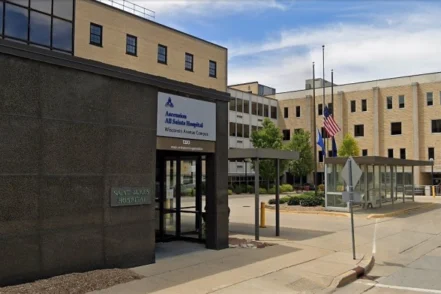
Ascension All Saints Hospital Wisconsin Avenue Campus
1320 Wisconsin Avenue Racine, Wisconsin 53403
Treatment Programs
- Alcohol Rehab
- Dual Diagnosis
- Opioid Addiction
- +4
-
 Wisconsin
North West Wisconsin Comprehensive Treatment Center
3440 Oakwood Hills Pkwy Eau Claire, Wisconsin 54701
Treatment Programs
- Opioid Addiction
- Drug Rehab
- Men's Rehab
- +2
-
 Wisconsin
Teen Challenge Wisconsin Robby Dawson Home for Women
727 North 31st Street Milwaukee, Wisconsin 53208
Treatment Programs
- Alcohol Rehab
- Dual Diagnosis
- Opioid Addiction
- +4