
Mental Health Content Tops 100 Billion TikTok Views
August 25, 2026

Search anxiety, ADHD, or trauma on TikTok or Instagram and you will find licensed psychologists and psychiatrists explaining clinical concepts, correcting misconceptions, and offering guidance.
Some of the same accounts also direct viewers toward private practices, paid courses, and books.
The scale is substantial, and it is changing how many people first encounter the language of mental health treatment, according to an Al Jazeera feature published August 21.
For anyone weighing whether what they are watching applies to them, the distinction that matters most is between learning a vocabulary and receiving care.
The Numbers Behind the Shift
On TikTok, views for the anxiety hashtag climbed from 6 billion in late 2021 to 16.1 billion by mid-2022.
The broader mental health hashtag grew from 25.3 billion views in March 2022, according to a study in the Journal of Medical Internet Research, to more than 100 billion by August 2023, per a subsequent JMIR Infodemiology study. TikTok itself put the figure above 100 billion globally that October.
Those counts track individual hashtags rather than mental health content as a whole, so untagged posts and other terminology fall outside them.
The demand behind those numbers is not mysterious. Cost, stigma, and workforce shortages limit access worldwide.
The World Health Organization’s 2025 World Mental Health report found that two-thirds of countries have only one psychiatrist per 200,000 people, and that just 9% of people with depression receive adequate treatment. In the United Kingdom, waits for ADHD assessment can run to years.
Mental Health and Addiction Connection
The accessibility gap has particular consequences where mental health conditions and substance use overlap.
Co-occurring disorders, often called dual diagnosis, describe a person living with both a substance use disorder and a mental health condition such as depression, anxiety, PTSD, or bipolar disorder.
The two conditions interact. Someone drinking to manage panic symptoms is treating one problem and worsening another.
Stimulant and alcohol withdrawal both produce anxiety, irritability, and mood disturbance that look very much like a primary psychiatric condition.
Distinguishing between them usually requires observing someone over time through a period of stability, which is exactly what a short video cannot do and a direct message cannot substitute for.
This is where self-diagnosis carries real cost. A person who identifies with ADHD content and pursues that explanation alone may never have the substance use assessed.
A person who concludes their drinking is the whole problem may complete treatment and find the underlying anxiety untouched, which is a well-documented route back to use.
What Clinicians Are Saying
Dr Katie Rose Saunders, a research associate at Keele University, analysed TikTok activity across 2021, 2022, and 2023 and found users offering support and empathy, relating creators’ experiences to their own, seeking help, and debating self-diagnosis, with some explaining why they avoided formal diagnosis and others pushing back against self-diagnosis altogether.
Psychiatrist Janagan Alagarajah, a digital global mental health specialist, distinguishes psychoeducation from treatment.
Evidence supports social media for gathering information and finding pathways into care, he says, while treatment requires structured, evidence-based interventions and safeguards.
He also warns that recommendation systems prioritise engagement rather than clinical appropriateness, and can amplify misinformation and encourage harmful self-diagnosis.
Clinical psychologist Robert Roopa, who runs an OCD-focused Instagram account, sees the reach as a genuine public education gain while acknowledging professional and financial incentives are also at work.
He raises a boundary problem that comes up constantly: followers who disclose serious distress or seek personalised advice through direct messages.
Clinicians may want to help and cannot assess or treat an unknown follower through a social platform.
Psychiatrist Dr Gorkem Yilmaz, who chooses not to produce psychoeducational content while stressing this is no criticism of colleagues who do, questions whether wider access amounts to democratisation.
Expertise does not disappear online, he argues, it changes form, with follower counts and presentation joining qualifications as markers of authority.
He values psychoeducation for giving people language for their experiences and reducing shame, and worries about what waits on the other side of that threshold.
His concern is that psychological literacy is rising while treatment relationships and public services are not strengthening at the same rate.
What This Means for Comprehensive Treatment
If online content helped you recognise something in yourself, that is a legitimate starting point.
The next step is an assessment by a clinician who can evaluate both mental health symptoms and any substance use together, because treating either in isolation tends to leave the other in place.
Questions worth asking any program: Do you assess and treat co-occurring disorders with one integrated team?
Can you provide psychiatric medication management alongside addiction treatment? What happens if symptoms of one condition surface during treatment for the other?
Finding Comprehensive Treatment
Treatment Centers Directory lists mental health treatment facilities, behavioral treatment centers, and dual diagnosis programs by location and level of care, so you can compare which providers treat both conditions under one roof. Call 800-908-4823 (Sponsored) to learn more about your treatment options.
Author

Nikki Wisher, BA
Read Bio
Nikki Wisher is an Atlanta-based content writer who specializes in health and wellness. After earning her BA in English, she has been writing in the health and wellness space for over a decade, with credits ranging from addiction recovery to fitness to aesthetics and skin care. This includes her inclusive running blog forallrunners.com.
Editor

Eric Owens
Read Bio
Eric Owens has been a writer and editor for various businesses as well as his own successful websites. He has extensive experience creating content in the health and wellness space and the sustainability space. He holds a bachelor degree in Philosophy which helped him with presenting complex information in a simple way that all audiences can understand.
Articles About Alcohol & Treatment
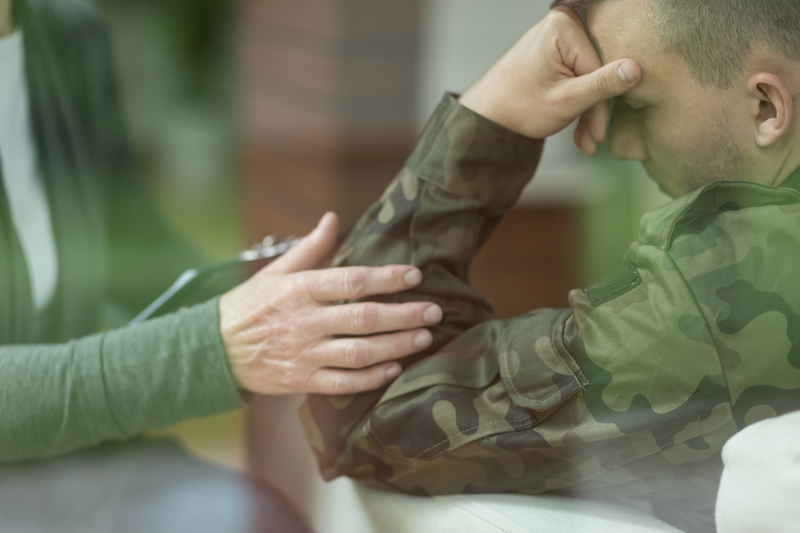
A Guide to Veterans’ Drug Rehab & Addiction Treatment
A Guide to Veterans’ Drug Rehab & Addiction Treatment Addiction is no respecter of persons. It’s an enemy that can strike anyone, anywhere, and at any time. It does not discriminate based on age, gender identity, sexual orientation, color, or creed. It is an equal opportunity adversary. In fact, a 2020 report from the Centers…

How Your Environment Impacts Recovery
How Your Environment Impacts Recovery Learning how your environment impacts recovery is an important lesson to learn. In 2010, I made the terrible decision to get behind the wheel after drinking too many glasses of wine. A couple of miles away from my apartment, I crashed into another car. I seriously injured two of its…

Do the Foods You Eat in Early Recovery Matter?
Do the Foods You Eat in Early Recovery Matter? You may hear folks in recovery with a bit of time under their belt tell you not to worry about what foods you eat in early recovery. In fact, some sobriety literature even encourages carrying around bags of candy to replace the sugar that you may…
Browse Treatment Centers by State
Top National Treatment Centers
-
 Florida
1 Solution Detox – CLOSED
2901 Broadway Ave West Palm Beach, Florida 33407
Treatment Programs
- Alcohol Rehab
- Opioid Addiction
- Drug Rehab
- +0
-
 California
10 Acre Ranch
5953 Grand Avenue Riverside, California 92504
Treatment Programs
- Alcohol Rehab
- Dual Diagnosis
- Opioid Addiction
- +4
-
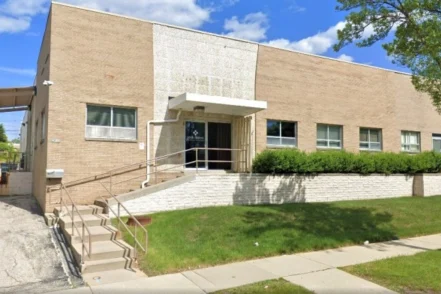 Wisconsin
10th Street Comprehensive Treatment Center
4800 South 10th Street Milwaukee, Wisconsin 53221
Treatment Programs
- Alcohol Rehab
- Opioid Addiction
- Drug Rehab
- +4
-
 Oklahoma
GRAND Addiction Recovery Center
6333 East Skelly Drive, Tulsa, OK 74135
Treatment Programs
- Alcohol Rehab
- Dual Diagnosis
- Opioid Addiction
- +4