
Endometriosis Linked to Depression in Nearly Half of Women
August 19, 2026
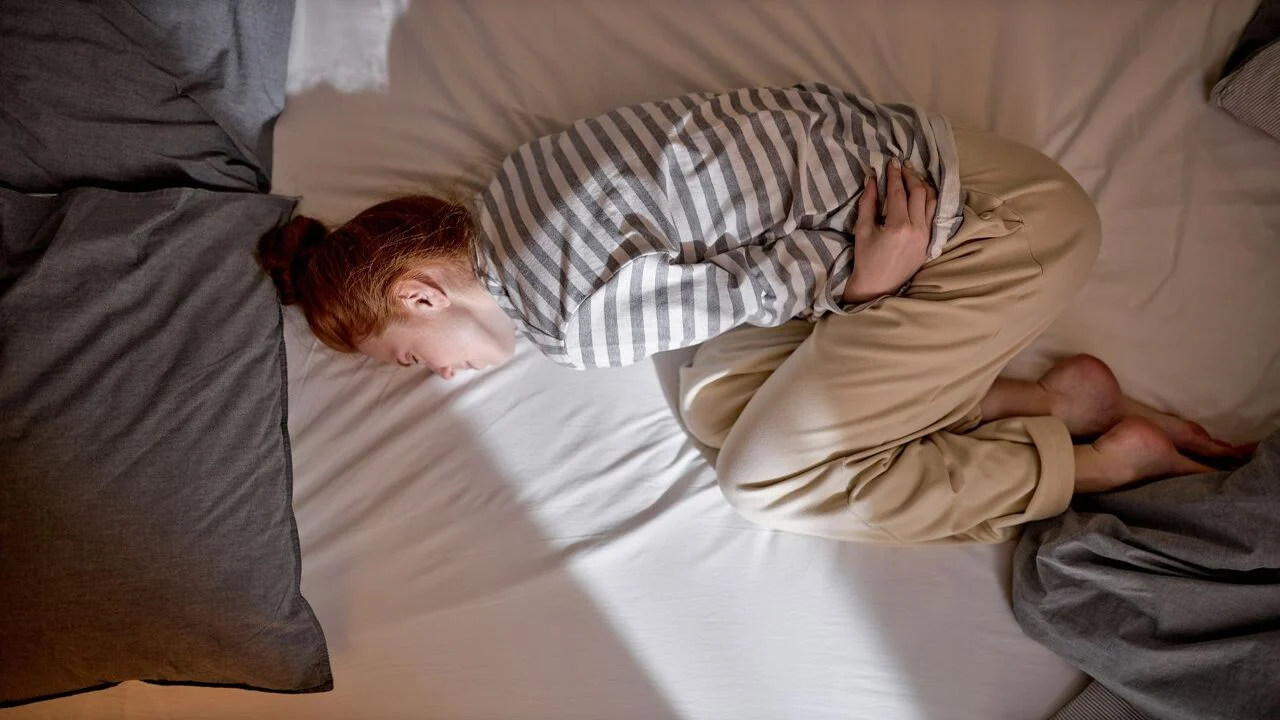
Co-occurring disorders rarely stay in separate lanes, and new national research puts a number on how far apart the care systems treating them still sit.
Women living with endometriosis or polyendocrine metabolic ovarian syndrome report depression at close to one in two, according to findings published this week by Women’s Mental Health Australia, and the researchers are calling for mental health support to be built into physical health services rather than referred out.
That call is the same argument behavioral health clinicians have been making about co-occurring disorders for years.
When two conditions travel together, treating them in separate buildings tends to produce worse results than treating them together.
What the Research Found
The findings come from Women’s Mental Health Australia’s Beyond the Surface 2026 report.
Among women with endometriosis, 48 percent reported depression and 47 percent reported anxiety or generalized anxiety disorder.
Among women with PMOS, 47 percent reported depression and 39 percent reported anxiety.
Self-harm or suicide was reported by 13 percent of women with endometriosis and 10 percent of those with PMOS.
The report also found that more than half of Australian women, 56 percent, are experiencing mental health issues in 2026, and that one in four are likely experiencing severe psychological distress.
Physical health conditions were associated with poorer mental health across the board, but the greatest psychological impact was found among women living with female-specific physical health conditions. One in three women surveyed were not seeking help for their mental health.
Katrina Locandro, chief operating officer of Women’s Mental Health Australia, told AAP that the scale of the gap in the health system is enormous, and noted that governments are already investing in women’s health, which makes integration a practical step available now.
Mental Health and Physical Health Connection
This is association, not causation. The research design cannot establish that endometriosis causes depression, and the relationship in conditions like this usually runs in more than one direction.
Chronic pain disrupts sleep, work, relationships, and physical activity, all of which affect mood.
Depression amplifies pain perception. Long diagnostic delays, which are common with endometriosis, add years of being told the problem is not real, which carries its own psychological weight.
What the numbers do establish is that a large share of patients in gynecological and primary care are carrying an untreated mental health condition, and that most of them are not raising it or not being asked.
Understanding Co-Occurring Disorders
Co-occurring disorders means two or more conditions present at the same time in the same person, most often a mental health condition alongside a substance use disorder, though the same integration logic applies when a chronic physical condition sits alongside a psychiatric one.
Dual diagnosis treatment is the model built for it. Integrated treatment matters because sequential treatment tends to fail.
When a person is told to stabilize one condition before addressing the other, they often stabilize neither, since each condition worsens the other.
In an integrated program, one clinical team holds the whole picture and coordinates medication, therapy, and any medical management together.
Chronic pain conditions belong in this conversation for a specific reason. Pain that is undertreated or treated with medication alone raises the stakes on both mental health screening and substance use screening, and programs that treat all three together are better positioned than those that treat any one in isolation.
Treatment Options for Mental Health and Addiction
Behavioral health care runs across a range of intensity. Residential treatment provides round-the-clock support and is used when symptoms are severe or when a person’s home situation makes recovery difficult.
Partial hospitalization and intensive outpatient programs deliver several hours of structured care per week while a person continues living at home. Standard outpatient therapy is the least intensive and the most common.
Evidence-based therapies used across these levels include cognitive behavioral therapy, dialectical behavior therapy, and trauma-focused approaches.
Medication management is coordinated alongside therapy where appropriate, and for a patient with a chronic physical condition, that coordination needs to include the physician managing the physical diagnosis.
For anyone reading this while managing endometriosis, PMOS, or another chronic condition, the practical takeaway is narrower than the research.
If your mood, sleep, or outlook has shifted and you have been attributing all of it to the physical condition, that is worth raising at your next appointment.
Mental health treatment facilities and behavioral treatment centers accept self-referral in most cases, and you do not need a physician’s referral to make the first call in most systems.
Finding Comprehensive Treatment
TCD.com lists behavioral health and dual diagnosis treatment programs by location, with details on levels of care, conditions treated, therapies offered, and insurance accepted.
When you are comparing programs, ask whether the facility treats co-occurring disorders in an integrated model or refers out, whether a psychiatrist is on staff, which specific therapies the clinical team delivers, and how the program coordinates with the doctors managing your physical health.
Ask what happens after discharge, since continuity is where integrated care most often breaks down. You can call 800-908-4823 (Sponsored) to discuss your treatment options with a treatment specialist today.
Author

Peter Lee, PhD
Read Bio
Peter W.Y. Lee is a writer and historian of American history during the Cold War. His primary focus is the relationship between youth and popular culture and its impact on U.S. society during the twentieth century. He has published widely on how the public has used popular culture as a mechanism to address political and social shifts throughout time
Editor

Eric Owens
Read Bio
Eric Owens has been a writer and editor for various businesses as well as his own successful websites. He has extensive experience creating content in the health and wellness space and the sustainability space. He holds a bachelor degree in Philosophy which helped him with presenting complex information in a simple way that all audiences can understand.
Articles About Alcohol & Treatment
A Guide to Veterans’ Drug Rehab & Addiction Treatment
A Guide to Veterans’ Drug Rehab & Addiction Treatment Addiction is no respecter of persons. It’s an enemy that can strike anyone, anywhere, and at any time. It does not discriminate based on age, gender identity, sexual orientation, color, or creed. It is an equal opportunity adversary. In fact, a 2020 report from the Centers…

How Your Environment Impacts Recovery
How Your Environment Impacts Recovery Learning how your environment impacts recovery is an important lesson to learn. In 2010, I made the terrible decision to get behind the wheel after drinking too many glasses of wine. A couple of miles away from my apartment, I crashed into another car. I seriously injured two of its…

Do the Foods You Eat in Early Recovery Matter?
Do the Foods You Eat in Early Recovery Matter? You may hear folks in recovery with a bit of time under their belt tell you not to worry about what foods you eat in early recovery. In fact, some sobriety literature even encourages carrying around bags of candy to replace the sugar that you may…
Browse Treatment Centers by State
Top National Treatment Centers
-
 Florida
1 Solution Detox – CLOSED
2901 Broadway Ave West Palm Beach, Florida 33407
Treatment Programs
- Alcohol Rehab
- Opioid Addiction
- Drug Rehab
- +0
-
 California
10 Acre Ranch
5953 Grand Avenue Riverside, California 92504
Treatment Programs
- Alcohol Rehab
- Dual Diagnosis
- Opioid Addiction
- +4
-
 Wisconsin
10th Street Comprehensive Treatment Center
4800 South 10th Street Milwaukee, Wisconsin 53221
Treatment Programs
- Alcohol Rehab
- Opioid Addiction
- Drug Rehab
- +4
-
 Oklahoma
GRAND Addiction Recovery Center
6333 East Skelly Drive, Tulsa, OK 74135
Treatment Programs
- Alcohol Rehab
- Dual Diagnosis
- Opioid Addiction
- +4