
Cannabis Use Disorder Tops Other Drugs in Teen Schizophrenia Risk
August 24, 2026

A teenager diagnosed with cannabis use disorder is already inside the behavioral health system, already identified, already in front of a clinician. The useful question is not whether cannabis is risky.
It is whether that particular diagnosis tells a provider something different than a diagnosis involving alcohol, opioids, or cocaine would.
Johns Hopkins researchers built a study around exactly that comparison, and their answer on co-occurring disorders depends on how old the patient is.
Analyzing nearly 700,000 US medical records from a large commercial database, they found young people with cannabis use disorder were more likely than young people with other substance use disorders to receive a psychiatric diagnosis later.
Among adults, the pattern reversed. The study was published online March 5 in the American Journal of Psychiatry.
What the Study Found
Among patients aged 17 and under, relative risk was 52% higher for schizophrenia, 30% higher for recurrent major depression, and 21% higher for anxiety disorders, compared with young people who had other substance use disorders.
Among adults, the numbers moved the other way. Adults in the cannabis use disorder group had a 19% lower risk of subsequent schizophrenia, 0.34% compared with 0.42% in the group with other substance use disorders.
Risks of subsequent psychosis, recurrent major depression, and suicide attempts were also lower in the adult cannabis group.
The matching design matters for reading those figures. Researchers identified patients diagnosed with cannabis use disorder who had no other psychiatric diagnosis at the time, then matched them on age, sex, ethnicity, and income to patients with non-cannabis substance use disorders who also had no other psychiatric condition.
The adult cohort included 691,806 patients and the under-18 cohort included 49,586.
Median age was 16 among patients with cannabis use disorder and 15 among patients with other substance use disorders. About 10% of patients across the full substance use disorder cohort were under age 12.
How This Differs From Earlier Cannabis Research
Most research linking adolescent cannabis to psychiatric illness, including the Kaiser Permanente cohort TCD.com covered earlier this year, compares young people who use cannabis against young people who do not.
That design answers whether cannabis use carries risk. This study holds substance use constant and varies only the substance.
Every person in it already had a substance use disorder, so the finding speaks to whether cannabis is distinctive among drugs rather than whether it is harmful in isolation.
Three further differences change how the result should be read. The population here is people diagnosed with cannabis use disorder, a condition that implies relatively heavy use, rather than anyone reporting past-year use.
The outcome that separated most sharply was schizophrenia, where earlier cohort work found its strongest signals in psychotic and bipolar disorders together. And adults are included at all, which is why the age reversal is new information rather than a contradiction of the adolescent studies.
For a behavioral health provider, the practical translation is narrow. It is not that cannabis is more dangerous than opioids by any general measure.
It is that among adolescents already in treatment, a cannabis use disorder diagnosis was followed by psychiatric diagnoses more often than the other substance use disorders in the same records.
The Mental Health and Addiction Connection
Study co-author Johannes Thrul, PhD, associate professor in the Department of Mental Health at the Bloomberg School, framed the research question as whether cannabis is a unique risk factor compared with alcohol, opioid, or cocaine use. His summary of the answer is that the relative risk depends on the user’s age.
Ryan Nicholson, MD, a resident at Johns Hopkins University School of Medicine, said the team’s interest grew out of recreational cannabis legalization in Maryland in 2023 and in other states, and a desire to understand cannabis-related psychotic disorders in the context of other substance-related psychotic disorders.
The link between cannabis and psychosis is not new in the literature. A 1987 study of more than 45,000 Swedish army recruits found cannabis use at conscription associated with large increases in subsequent schizophrenia risk, particularly with heavy use, and later work has found similar associations.
Two Explanations That Fit the Same Data
This is an observational analysis, and the authors are careful about what it can and cannot show.
One reading is that heavy cannabis use during adolescence predisposes young people to schizophrenia and some other psychiatric conditions they might not otherwise develop.
Thrul notes that an acceleration effect like that would also make those illnesses appear less likely at later ages, which could explain the lower adult figures.
The other reading runs in the opposite direction. Thrul cautions that people who are innately more likely to develop certain psychiatric disorders may also be more likely to self-medicate with cannabis, sometimes before their mental health symptoms are recognizable.
On that account, the cannabis use disorder diagnosis is an early marker rather than a cause.
Thrul’s practical position does not depend on resolving that question. He says he would not recommend that teenagers use cannabis, particularly the high-potency products now on the market.
A stated limitation is that the database relies on ICD-10 coding entered by other physicians, so the researchers may not know the exact patient history behind each diagnosis.
Understanding Co-Occurring Disorders
Co-occurring disorders, also called dual diagnosis, describe a substance use disorder alongside a mental health condition such as depression, anxiety, bipolar disorder, or a psychotic disorder.
Treating one and deferring the other tends to leave the untreated condition working against recovery.
What this study adds is a timing argument for adolescents specifically. If psychiatric diagnoses follow a cannabis use disorder diagnosis more often than they follow other substance use disorder diagnoses, then that intake visit is a screening opportunity rather than a separate episode of care.
Treatment Options for Mental Health and Addiction
Care for co-occurring disorders happens in residential treatment centers and in outpatient programs, and the right intensity depends on symptom severity, safety, and what a family can support at home.
The common elements are integrated rather than parallel treatment plans, evidence-based therapy, and psychiatric medication management where a mood or psychotic disorder is present. For adolescents, family involvement is a standard component rather than an add-on.
Finding Comprehensive Treatment
If a young person you know has been diagnosed with cannabis use disorder, useful questions for a program include whether it screens for psychiatric symptoms at intake, whether a psychiatrist is on staff or contracted, whether the program treats adolescents specifically, and whether therapy and medication management are coordinated by one team.
Search mental health treatment facilities and dual diagnosis treatment programs by location, and confirm adolescent services and insurance acceptance before scheduling an assessment.
TCD.com lists behavioral treatment centers nationwide with details on services, populations served, and payment options. Call 800-908-4823 (Sponsored) to get in touch with a treatment specialist today.
Author

Quentin Blount
Read Bio
Quentin brings nearly a decade of experience as a writer, editor, and digital publisher to his role as Content Manager for Rehab.com. He aims to help people better understand their treatment options by creating engaging and informative content that is user-friendly, factually accurate, and optimized for search engine visibility. In his free time, Quentin enjoys the company of his friends, family, and his dog, Coop.
Editor

Eric Owens
Read Bio
Eric Owens has been a writer and editor for various businesses as well as his own successful websites. He has extensive experience creating content in the health and wellness space and the sustainability space. He holds a bachelor degree in Philosophy which helped him with presenting complex information in a simple way that all audiences can understand.
Articles About Alcohol & Treatment
A Guide to Veterans’ Drug Rehab & Addiction Treatment
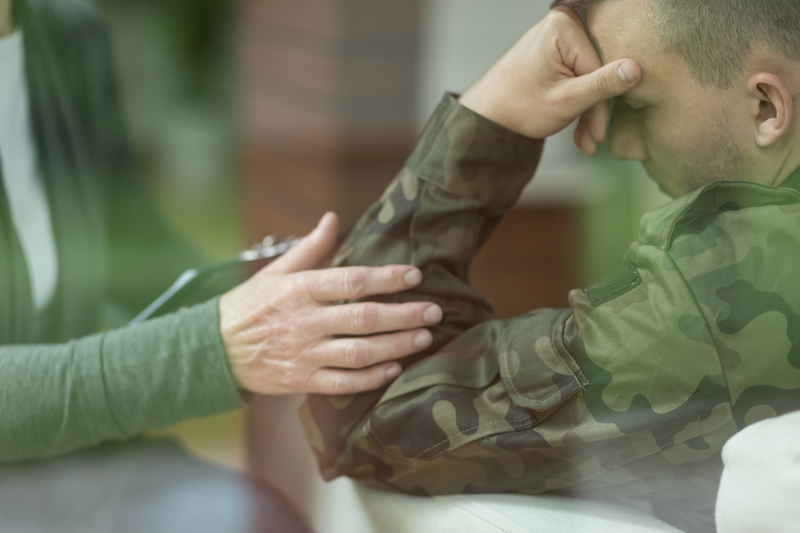
A Guide to Veterans’ Drug Rehab & Addiction Treatment Addiction is no respecter of persons. It’s an enemy that can strike anyone, anywhere, and at any time. It does not discriminate based on age, gender identity, sexual orientation, color, or creed. It is an equal opportunity adversary. In fact, a 2020 report from the Centers…

How Your Environment Impacts Recovery
How Your Environment Impacts Recovery Learning how your environment impacts recovery is an important lesson to learn. In 2010, I made the terrible decision to get behind the wheel after drinking too many glasses of wine. A couple of miles away from my apartment, I crashed into another car. I seriously injured two of its…

Do the Foods You Eat in Early Recovery Matter?
Do the Foods You Eat in Early Recovery Matter? You may hear folks in recovery with a bit of time under their belt tell you not to worry about what foods you eat in early recovery. In fact, some sobriety literature even encourages carrying around bags of candy to replace the sugar that you may…
Browse Treatment Centers by State
Top National Treatment Centers
-
 Florida
1 Solution Detox – CLOSED
2901 Broadway Ave West Palm Beach, Florida 33407
Treatment Programs
- Alcohol Rehab
- Opioid Addiction
- Drug Rehab
- +0
-
 California
10 Acre Ranch
5953 Grand Avenue Riverside, California 92504
Treatment Programs
- Alcohol Rehab
- Dual Diagnosis
- Opioid Addiction
- +4
-
 Wisconsin
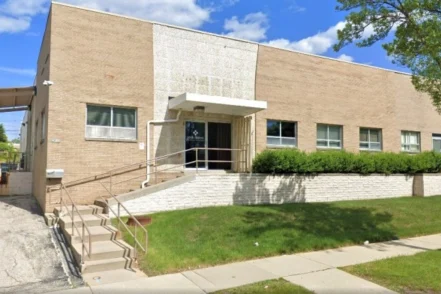
10th Street Comprehensive Treatment Center
4800 South 10th Street Milwaukee, Wisconsin 53221
Treatment Programs
- Alcohol Rehab
- Opioid Addiction
- Drug Rehab
- +4
-
 Oklahoma
GRAND Addiction Recovery Center
6333 East Skelly Drive, Tulsa, OK 74135
Treatment Programs
- Alcohol Rehab
- Dual Diagnosis
- Opioid Addiction
- +4