
About Anchor Recovery Community Center
Anchor Recovery is a substance use disorder (SUD) recovery organization that offers peer led recovery rather than traditional outpatient or inpatient clinical rehab. The programs and services are free with no insurance or any type of payment required. They offer drop-in community centers throughout Rhode Island, including this center in Warwick. The center is in a house in a residential community near SR 2.
Peer Led Recovery Community Centers
This model of recovery relies on peer-led communities with personalized recovery support plans that meet the unique goals and needs of each individual. The program empowers individuals to build sustainable and independent recovery networks. The center provides recovery and addiction resources.
The organization partners with community and state agencies for integrated support, and they host many educational and public awareness events. They provide harm reduction resources such as naloxone along with training on how to use it.
Drop In Style Center
The program operates on a drop-in basis with accessible and comfortable meeting spaces in a safe and substance free environment. There are multiple rooms where individuals can meet for wellness activities, process groups, and private meetings. Lounge spaces and art walls encourage creativity and relaxation.
The Warwick Center is near public transportation, local shopping centers, and the public library, so there are plenty of easily accessible resources. The nearby Pawtuxet River offers a scenic and relaxing environment where you can reflect on your treatment and sobriety moving forward.
Focusing on Long Term Wellness and Recovery
The environment is inclusive and welcomes anyone in recovery. Peer recovery specialists offer nonclinical support, including workshops, recovery planning, ongoing groups, and recovery coaching.
There are wellness activities, including art therapy, meditation, and recovery meetings. Individuals in the program have noted the empathy and helpfulness of the volunteers and staff, and visitors have mentioned the nonjudgmental and welcoming environment.
Addiction Treatment Programs

Alcohol Rehab
An alcohol rehab in Rhode Island helps people gain the skills they need to overcome addiction and maintain long-term sobriety. Common services include counseling and classes on coping skills, emotional management, communication, and other key life skills. Alcohol rehab programs can provide inpatient or outpatient treatment.

Opioid Addiction
If you choose rehab in Rhode Island, you’ll receive professional treatment that will help you break free of opioid addiction. Drug rehab may include detox, inpatient treatment, and/or outpatient care. You’ll learn the roots of addiction and learn how to build a substance-free life.

Drug Rehab
If you’re struggling with your substance use use, consider a drug rehab in Rhode Island. Drug treatment programs address the mental, emotional, and relational issues that may contribute to addiction. You’ll learn to build a new support network that supports your long-term sobriety.

Adult Program
Adulting can be hard. When you choose an adult program in Rhode Island, you get the support you need to overcome addiction and build a successful life. Some of the common services will include counseling and classes on coping skills, emotional management, communication, and other key life skills. Adult programs can provide inpatient or outpatient treatment.

Senior Rehab
Older clients may find it more comfortable to choose a senior rehab in Rhode Island. Some of the common services will include counseling and classes on coping skills, emotional management, pain management, and other key life skills. Senior programs can provide inpatient or outpatient treatment.

Men's Rehab
Men need unique support, and a men’s rehab in Rhode Island can help them manage gender-specific concerns while overcoming addiction. Some of the common services they include are counseling and classes on coping skills, emotional management, communication, and other key life skills. Men’s programs can provide inpatient or outpatient treatment.

Women's Rehab
When people join a women’s rehab in Rhode Island, they are able to tackle gender-specific issues while receiving treatment. Some common services include counseling and classes on coping skills, emotional management, communication, parenting, and other key life skills. Women’s programs can provide inpatient or outpatient treatment.

Young Adult Rehab
Choosing a young adult rehab in Rhode Island can be a great way to learn new life skills while also addressing substance use. Some of the common services will include counseling and classes on coping skills, emotional management, communication, and other key life skills. Young adult programs can provide inpatient or outpatient treatment.
Insurance Coverage

Self-pay options
When you use self-pay for rehab in Rhode Island, you can choose any center you prefer. Self-pay involves using a medical loan from a bank or credit union, writing a check, or sending money electronically to the center. The fee structure may vary depending on the level of care.

Medicaid
When looking for ways to pay for rehab in Rhode Island, consider Medicaid if you are struggling to afford treatment. You’ll want to contact treatment centers to find out which ones accept Medicaid and make sure you get the right level of care, such as detox, inpatient, or outpatient treatment.

Financing available
There are many ways to pay for rehab in Rhode Island. One option is finding out if financing options are available. Financing allows you to spread out the cost of treatment over time or may help you get a lower fee. Options include payment plans, scholarships, grants, and medical loans.

Medicare
There are many ways to pay for rehab in Rhode Island. One option is Medicare. Coverage may vary depending on whether you have Original Medicare or Medicare Advantage. You may be responsible for certain costs, such as copayments and deductibles.
Levels of Care
- 1
Outpatient Rehab
Outpatient treatment in Rhode Island allows clients to live at home or in a sober living facility while attending treatment. Outpatient treatment is commonly a follow-up to residential treatment and may be used to help with skill-building, education, and to practice your new habits in daily life.
- 2
Aftercare Support
Aftercare in Rhode Island helps clients maintain long-term recovery by providing essential support after treatment ends. It’s common for a treatment program to offer aftercare support, which may include employment training, help with housing, alumni support groups, and more.
Therapies

Cognitive Behavior Therapy
In Rhode Island, cognitive behavioral therapy (CBT) is widely used in addiction treatment. CBT is a common part of both inpatient and outpatient substance use treatment and may be used to help with skill-building, overcoming problematic behavior, and managing substance use triggers.

Group Therapy
Group therapy in Rhode Island helps clients overcome substance use by providing accountability and support. Group therapy is a common part of both inpatient and outpatient substance use treatment, and may be used to help with skill-building, processing, and presenting educational information.

Individual Therapy
Attending individual therapy in Rhode Island is a way to work through your past and develop healthy coping skills, helping you establish long-term recovery. Individual focuses on improving both behavioral and emotional health. You may explore thought processes, develop motivation to change, and/or explore past events that may have played a part in your substance use.

Rational Behavioral Therapy
Rational behavior therapy in Rhode Island teaches you to recognize triggering events, reframe irrational beliefs, and choose healthier responses. During treatment, you’ll examine activating events, identify irrational beliefs that affect your response, and learn the skills necessary to consciously choose a different reaction to each situation.

Trauma Therapy
Many people struggling with addiction in Rhode Island are dealing with unprocessed trauma. Trauma-informed therapy can help you address what happened and develop healthier coping strategies. When you receive trauma-informed therapy, it may include peer support, grief counseling, medications to support mental health, and developing healthier responses to emotional triggers.
Location
Contact Anchor Recovery Community Center


 Sponsored
Treatmentcentersdirectory.com regularly reviews this listing for accuracy but changes may occur between updates. For the most up-to-date information, please contact Anchor Recovery Community Center.
Top Drug Rehab Centers in Rhode Island
-
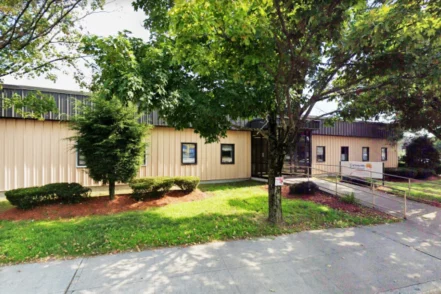 Rhode Island
Community Care Alliance John Cummings Way
55 John A Cummings Way Woonsocket, Rhode Island 02895
-
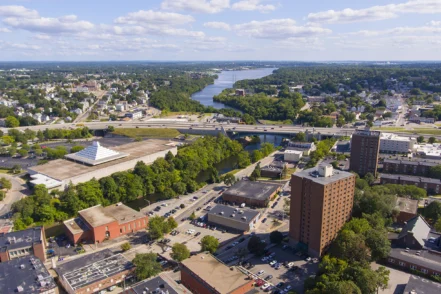 Rhode Island
Gateway Healthcare Benefit Street Apartments
353 Benefit Street, Suite 351 Pawtucket, Rhode Island 02861
-
 Rhode Island
The Providence Center Women’s Road to Recovery
15 Baker Pines Road Wyoming, Rhode Island 02898
-
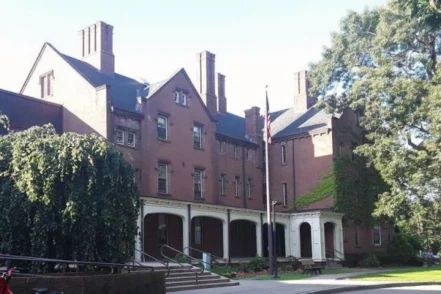 Rhode Island
Butler Hospital
345 Blackstone Boulevard Providence, Rhode Island 02906
-
 Rhode Island
Addiction Recovery Institute South
205 Hallene Road, Suite 102 Warwick, Rhode Island 02886
-
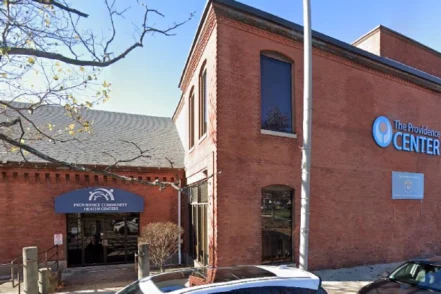 Rhode Island
The Providence Center North Main Street
530 North Main Street Providence, Rhode Island 02904
-
 Rhode Island
Journey to Hope Health and Healing Providence
160 Narragansett Avenue Providence, Rhode Island 02907
-
 Rhode Island
Phoenix House Exeter
251 Main Street Exeter, Rhode Island 02822
-
 Rhode Island
AdCare Warwick
400 Bald Hill Road Warwick, Rhode Island 02886