
About Cornerstone Treatment Facility
Cornerstone Treatment Facility is a licensed 12 bed psychiatric residential treatment facility in Wadesboro, North Carolina. They serve children and adolescents ages 9 through 17.
The program supports young people facing serious emotional disturbance, emotional dysregulation and impulsivity, relationship difficulties and self injurious behaviors through trauma informed care.
Cornerstone offers a safe environment built on youth guided and family driven practices designed to help each child build stability and lasting skills.
Youth Psychiatric Residential Treatment
Cornerstone’s core focus is residential mental health treatment for adolescents. The typical program length is approximately six to nine months.
You’ll receive an individualized treatment plan supported by individual, family and group counseling in a structured residential setting.
Clinicians draw on evidence based approaches including cognitive behavioral therapy, dialectical behavior therapy and trauma focused therapy, EMDR and motivational interviewing.
Sessions are developmentally appropriate and culturally responsive, addressing underlying emotional and behavioral needs while helping youth develop healthier coping and relationship skills.
Experiential Learning
Cornerstone offers a monthly enrichment partnership at the 300 acre Sweet Valley Ranch. Residents can take part in animal interaction and gardening, environmental education and hands on life skills activities.
This experiential model helps build responsibility and confidence, empathy and practical skills that complement therapeutic progress.
CARF Accredited and Payment Options
Cornerstone provides in person psychiatric residential services at 129 Wallace Road in Wadesboro, North Carolina.
The facility is CARF accredited for residential treatment for children and youth, with first accreditation earned in 2009.
Treatment is covered by Medicaid, NC Health Choice and many insurance plans, with self pay and local funding options potentially available.
Addiction Treatment Programs

Dual Diagnosis
For many people in North Carolina, dual diagnosis treatment that addresses mental health and substance use is essential to their recovery. In dual diagnosis programs, the activities, peer support, and counseling are tailored to the unique needs of those with mental health concerns. This may include additional therapy, medication, or peer support.

Young Adult Rehab
A young adult rehab in North Carolina addresses the recovery needs of clients in this life stage and gives them the tools they need to succeed. In a young adult program, the activities, peer support, and counseling are tailored to the unique needs of this age group. This may include talking about how to start a career, have a family, and live independently.
Insurance Coverage

Medicaid
How do you pay for rehab in North Carolina? If you qualify, a good option is Medicaid. You’ll need to choose a program that accepts Medicaid as payment, and you can access multiple levels of care, including detox, inpatient, and outpatient treatment.

Self-pay options
In North Carolina, one option to pay for substance use treatment is self-pay, also known as private pay. You can use a medical loan, write a check, or send money to the center electronically. Check on the fee structure, which can vary depending on the type of care.

Financial aid
Paying for rehab in North Carolina can be done in multiple ways, including using financial aid programs if you qualify. Community groups or non-profits in your area may offer assistance, or you might find a treatment program that has grants or scholarships.
Levels of Care
- 1
Inpatient Rehab
If you’re starting out on your recovery journey, inpatient treatment can give you the focused, supportive environment you need to build a solid foundation. Inpatient care doesn’t just involve therapy, you also enjoy activities and outings, and many programs have holistic treatment like yoga, mindfulness, and more.
Therapies

Cognitive Behavior Therapy
Receiving cognitive behavioral therapy in North Carolina helps you identify your automatic interpretations of situations and how that impacts your behavior. CBT can help you identify and challenge maladaptive thoughts, calm your mind, and face your fears rationally.

Family Therapy
If you struggle with addiction in North Carolina, it’s common to have broken and dysfunctional family relationships. Family therapy can help you address those issues and find support from your loved ones. Family therapy is a common part of both inpatient and outpatient substance use treatment and may be used to help address trauma, build better relationships, and help loved ones become part of your support network.

Group Therapy
If you struggle with addiction in North Carolina, it’s common to feel like no one understands you. Group therapy can help you find common perspectives and support. In rehab, group therapy is only one of the elements of treatment, along with activities, peer support, individual counseling, relapse prevention, and more. Together, all these methods support you in establishing long-term recovery.

Individual Therapy
In North Carolina, individual therapy allows you to work one-on-one with a professional to address your past experiences and substance use triggers. This support and accountability help you establish recovery. Substance use treatment includes detox, inpatient treatment, and outpatient care, and individual therapy may be a part of each of these stages. The goal is to help clients address the roots of addiction, develop motivation to change, and create new habits for a substance-free life.

Trauma Therapy
When you’ve experienced trauma, it’s natural to try to protect yourself from further harm. Trauma-informed therapy in North Carolina can help you see how substance use is connected to your past experiences and how you can learn to care for yourself in healthier ways. Substance use and trauma are interrelated, and trauma-informed therapy involves working with the therapist and your support network to create healthy coping skills, become empowered, and improve resilience.
Location
Contact Cornerstone Treatment Facility

 Sponsored
Treatmentcentersdirectory.com regularly reviews this listing for accuracy but changes may occur between updates. For the most up-to-date information, please contact Cornerstone Treatment Facility.
Top Drug Rehab Centers in North Carolina
-
 North Carolina
Crossroads of Greensboro
2706 North Church Street Greensboro, North Carolina 27405
-
 North Carolina
Holly Hill Hospital
3019 Falstaff Road, Raleigh, NC 27610
-
 North Carolina
The Ringer Center Greensboro
213 East Bessemer Avenue Greensboro, North Carolina 27401
-
 North Carolina
Asheville Recovery Center
9 Old Burnsville Hill Road, Suite 7 Asheville, North Carolina 28804
-
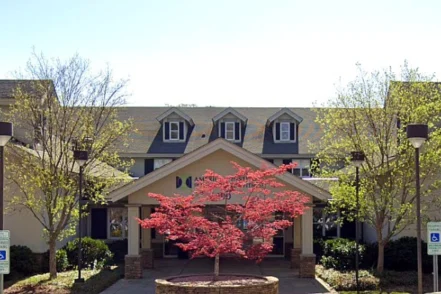 North Carolina
Carolina Performance
8300 Health Park, Suite 201 Raleigh, North Carolina 27615
-
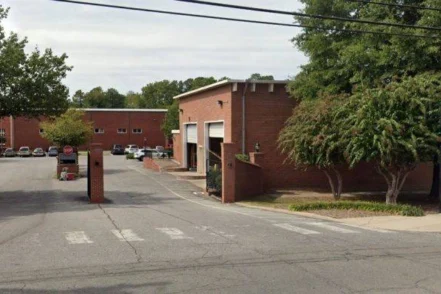 North Carolina
Triangle Residential Options for Substance Abusers
1820 James Street, Durham, NC 27707
-
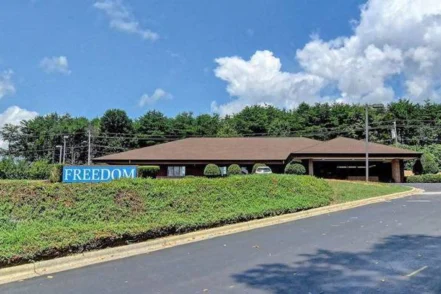 North Carolina
Freedom Detox
1089 X Ray Drive, Gastonia, NC 28054
-
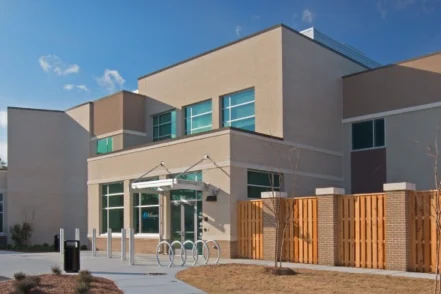 North Carolina
Wilmington Treatment Center Troy Drive
2520 Troy Drive Wilmington, North Carolina 28401
-
 North Carolina
BAART Programs Durham
800 N Mangum Street, Suite 400 Durham, North Carolina 27701
-
 North Carolina
Crest View Recovery Center Asheville
90 Asheland Avenue, Asheville, NC 28801
-
 North Carolina
Dilworth Center
2240 Park Road, Charlotte, NC 28203
-
 North Carolina
Silver Ridge
183 Old Turnpike Road, Mills River, NC 28759
-
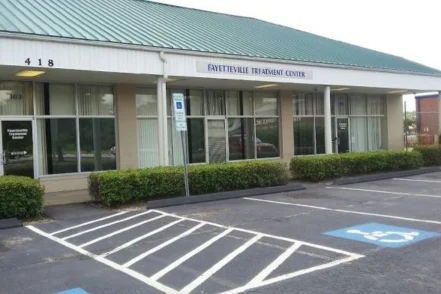 North Carolina
New Season Fayetteville Treatment Center
Person St, Suite 103 Fayetteville, North Carolina 28301