
About Triangle Residential Options for Substance Abusers
Triangle Residential Options for Substance Abusers (TROSA) is a cost free residential addiction treatment center in Durham, North Carolina, serving adults with substance use disorders since 1994.
This licensed, peer driven program offers long term residential care that combines counseling, health services, vocational training and continuing care.
Graduates and reviewers often describe the experience as life changing and strong on skill building and accountability.
What kinds of addiction treatment does TROSA offer?
TROSA provides voluntary, long-term residential inpatient treatment, with the option for two years of comprehensive care and longer stays as residents work toward their recovery goals.
Treatment includes individual and group counseling, cognitive behavioral therapy, motivational interviewing, relapse prevention, anger management and trauma related counseling.
TROSA also supports medication assisted treatment for alcohol and opioid use disorders, including naltrexone and long acting options like Sublocade or Brixadi.
Who can get help?
TROSA welcomes adults age 18 and older, including young adults, men and women, with specialized programs for veterans and people with past trauma.
The program serves a diverse population and is committed to providing treatment regardless of race, ethnicity, religion, financial circumstance, sexual orientation or gender.
Where is TROSA located?
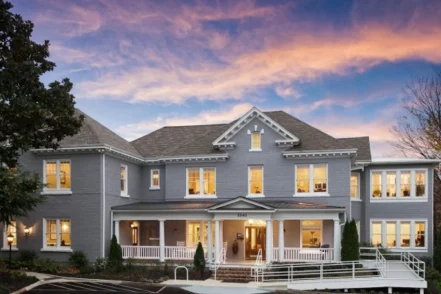
The main campus is at 1820 James Street in Durham, accessible via local public transportation. TROSA accepts individuals from out of state and places no geographic restrictions on who it serves.
How much does treatment cost?
All services at TROSA are free of charge to residents and insurance is not required.
The program also provides housing, meals, clothing and personal care items at no cost.
How do I start?
Admission begins with a phone assessment reviewing medical, psychiatric and legal information to determine fit.
Please note that TROSA is not a detoxification facility.
A Path Toward Independence
TROSA in Durham offers a rare, no cost, multi year residential model that pairs clinical care with vocational training and peer support to help residents rebuild their lives.
Reach out today to learn more about how TROSA could support your recovery journey.
Addiction Treatment Programs

Alcohol Rehab
The best way to achieve recovery from alcohol use disorder is by completing a high-quality alcohol rehab in North Carolina and applying the tools you learn to stay in sobriety. In an alcohol program you’ll not only receive treatment, but you’ll participate in activities, receive peer support, and learn how to have fun without alcohol.

Dual Diagnosis
For many people in North Carolina, dual diagnosis treatment that addresses mental health and substance use is essential to their recovery. In dual diagnosis programs, the activities, peer support, and counseling are tailored to the unique needs of those with mental health concerns. This may include additional therapy, medication, or peer support.

Opioid Addiction
Facilities that offer substance use treatment in North Carolina can give you the skills and tools you need to break free from opioid addiction. Common services include counseling and classes on coping skills, emotional management, communication, and other key life skills. Opioid rehab programs can provide inpatient or outpatient treatment.

Drug Rehab
If you’re ready to overcome substance use disorder, a drug rehab in North Carolina can give you the tools you need. The rehab program may use multiple approaches, including nutrition, psychology, holistic methods, and support groups. These tools help you build a substance-free lifestyle and move into long-term recovery.

Adult Program
Adult program programs in North Carolina address the specific needs of this stage of life. In an adult program, the activities, peer support, and counseling are tailored to the unique needs of this age group. This may include talking about how to build a career, raise a family, and handle the many responsibilities of independent living.

Men's Rehab
A men’s rehab in North Carolina can provide every level of care while addressing the unique needs of men. In a men’s program, the activities, peer support, and counseling are tailored to the unique needs of men. This may include talking about career development, fatherhood, communication strategies, and more.

Women's Rehab
Choosing a women’s rehab in North Carolina can be a great way to manage gender-specific issues while also addressing substance use. In a women’s program, the activities, peer support, and counseling are tailored to the unique needs women have. This may include talking about building a career, motherhood, relationship safety, and more.

Young Adult Rehab
A young adult rehab in North Carolina addresses the recovery needs of clients in this life stage and gives them the tools they need to succeed. In a young adult program, the activities, peer support, and counseling are tailored to the unique needs of this age group. This may include talking about how to start a career, have a family, and live independently.

Vocational Training Program
TROSA residents gain job skills through the organization’s on-site social enterprises, including moving services, lawn care, and a thrift store, building work experience alongside substance use treatment.
Education & GED Program
TROSA offers education opportunities including GED preparation and computer skills training, preparing Durham residents for employment as part of a comprehensive recovery and life-skills curriculum.
Therapeutic Community Program
TROSA’s peer-driven therapeutic community model has residents supporting one another through recovery while working and learning together across the two-year residential program.
Continuing Care Program
TROSA provides a continuum of services extending beyond initial treatment, including continuing care support designed to reinforce recovery gains made during the residential program in Durham.
Insurance Coverage

Financing available
Paying for rehab in North Carolina can be done in multiple ways, including using financing options if they are available. Some centers offer financial help such as grants, scholarships, or payment plans. You may also decide to get a medical loan.

Free
Free rehabs can provide high-quality addiction care in North Carolina for those who struggle to pay for private programs. Most free rehabs are supported by the state or county. Be sure you find a high-quality program run by licensed professionals that uses evidence-based treatment.
Levels of Care
- 1
Inpatient Rehab
TROSA operates a highly structured two-year residential recovery program in Durham for men and women with substance use disorders, combining live-in treatment with vocational training and phased independence.
- 2
Aftercare Support
TROSA provides continuing care support following the primary residential phases, helping graduates maintain sobriety and stability as they transition back into independent community life.
- 3
Sober Living Homes
TROSA’s later program phases emphasize increasing independence and community reintegration, functioning as a step-down living environment for residents transitioning out of intensive residential recovery.
Therapies

Individual Therapy
TROSA residents participate in one-on-one counseling as part of the therapeutic community model, supporting personal recovery goals alongside vocational training and life-skills development throughout the two-year Durham-based program.

Trauma Therapy
When you’ve experienced trauma, it’s natural to try to protect yourself from further harm. Trauma-informed therapy in North Carolina can help you see how substance use is connected to your past experiences and how you can learn to care for yourself in healthier ways. Substance use and trauma are interrelated, and trauma-informed therapy involves working with the therapist and your support network to create healthy coping skills, become empowered, and improve resilience.

Group Therapy
Group counseling forms a core part of daily programming at TROSA, where residents in Durham work through recovery together in a peer-driven therapeutic community structured around shared accountability and mutual support.
Cognitive Behavioral Therapy (CBT)
As part of its structured clinical services, TROSA incorporates evidence-based counseling approaches to help residents address substance use patterns while building skills for long-term sobriety and stability.
Peer Support
TROSA’s therapeutic community model relies heavily on peer support, with residents mentoring one another through each phase of the two-year residential program in Durham, North Carolina.
Life Skills
TROSA integrates life-skills development into daily programming, helping residents build independent living capabilities, financial responsibility, and workplace habits needed for successful community reintegration.
Accreditations

Location
Contact Triangle Residential Options for Substance Abusers


 Sponsored
Treatmentcentersdirectory.com regularly reviews this listing for accuracy but changes may occur between updates. For the most up-to-date information, please contact Triangle Residential Options for Substance Abusers.
Top Drug Rehab Centers in North Carolina
-
 North Carolina
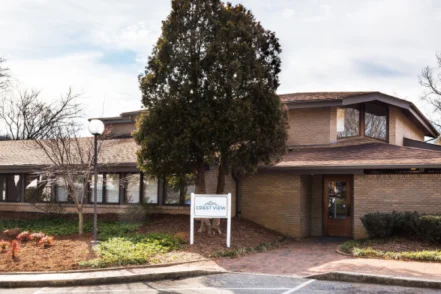
Crest View Recovery Center Asheville
90 Asheland Avenue, Asheville, NC 28801
-
 North Carolina
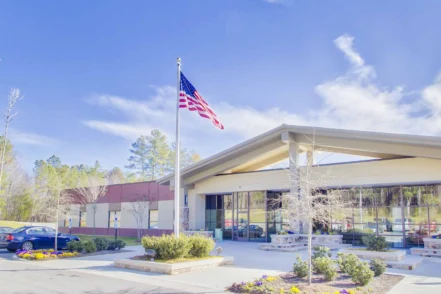
Holly Hill Hospital
3019 Falstaff Road, Raleigh, NC 27610
-
 North Carolina
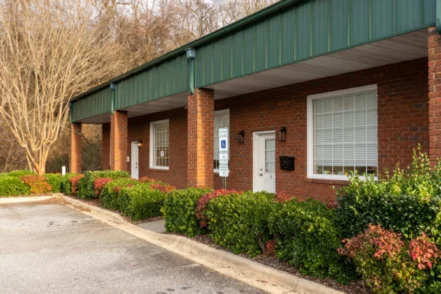
Asheville Recovery Center
9 Old Burnsville Hill Road, Suite 7 Asheville, North Carolina 28804
-
 North Carolina
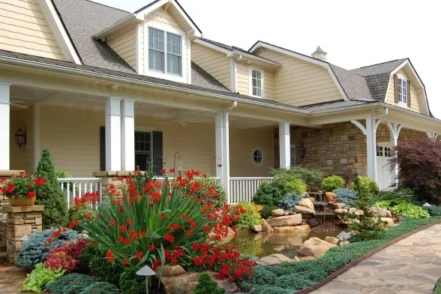
Silver Ridge
183 Old Turnpike Road, Mills River, NC 28759
-
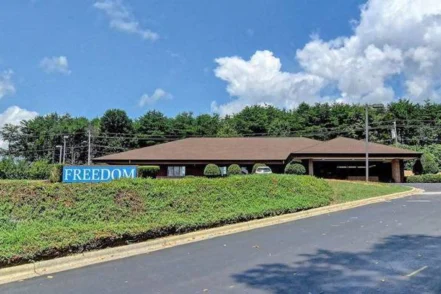 North Carolina
Freedom Detox
1089 X Ray Drive, Gastonia, NC 28054
-
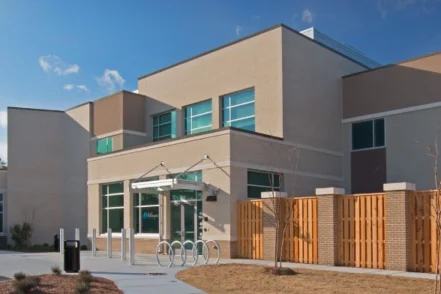 North Carolina
Wilmington Treatment Center Troy Drive
2520 Troy Drive Wilmington, North Carolina 28401
-
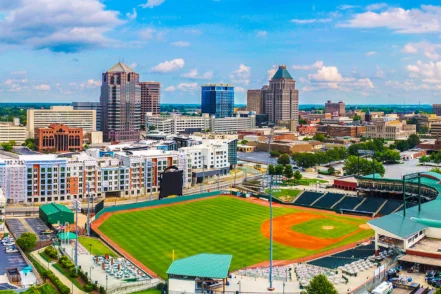 North Carolina
Crossroads of Greensboro
2706 North Church Street Greensboro, North Carolina 27405
-
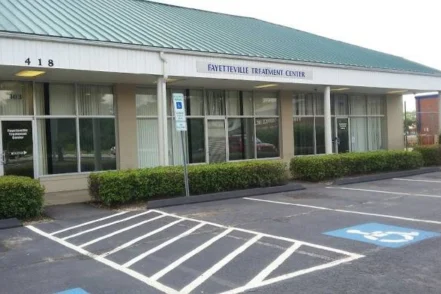 North Carolina
New Season Fayetteville Treatment Center
Person St, Suite 103 Fayetteville, North Carolina 28301
-
 North Carolina
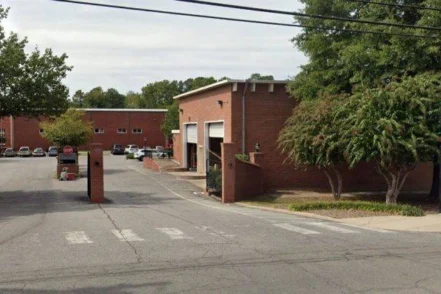
Triangle Residential Options for Substance Abusers
1820 James Street, Durham, NC 27707
-
 North Carolina
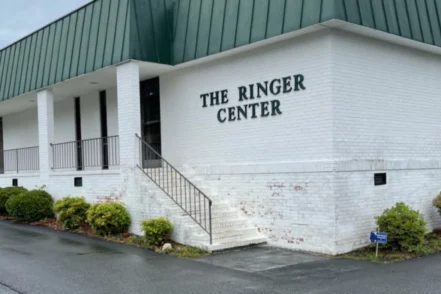
The Ringer Center Greensboro
213 East Bessemer Avenue Greensboro, North Carolina 27401
-
 North Carolina
BAART Programs Durham
800 N Mangum Street, Suite 400 Durham, North Carolina 27701
-
 North Carolina
Carolina Performance
8300 Health Park, Suite 201 Raleigh, North Carolina 27615
-
 North Carolina
Dilworth Center
2240 Park Road, Charlotte, NC 28203