
About GPW Psychiatry
GPW Psychiatry is a treatment center in Raleigh, North Carolina. It’s an outpatient psychiatry practice, and it sees people of all ages.
The practice includes an intensive outpatient program for substance use and mental health. TMS therapy (a drug-free, non-invasive treatment for depression), ketamine treatment and medication management are offered as well.
Ten Weeks in the Program
The minimum length of the program at GPW Psychiatry is 10 weeks, and the program can be extended past that. You can plan work or family time around the program, because the minimum gives you a known number of weeks to count on.
Raleigh or Virtual
Individual counseling at GPW Psychiatry can happen in person or virtually. The office is in Raleigh, and the program meets at that Raleigh office too. A virtual session means you don’t have to make the trip to the Raleigh office for that counseling appointment.
The practice accepts Medicare, Cigna, Aetna, MedCost and United Health.
Addiction Treatment Programs

Dual Diagnosis
For many people in North Carolina, dual diagnosis treatment that addresses mental health and substance use is essential to their recovery. In dual diagnosis programs, the activities, peer support, and counseling are tailored to the unique needs of those with mental health concerns. This may include additional therapy, medication, or peer support.

Alcohol Rehab
The best way to achieve recovery from alcohol use disorder is by completing a high-quality alcohol rehab in North Carolina and applying the tools you learn to stay in sobriety. In an alcohol program you’ll not only receive treatment, but you’ll participate in activities, receive peer support, and learn how to have fun without alcohol.

Opioid Addiction
Facilities that offer substance use treatment in North Carolina can give you the skills and tools you need to break free from opioid addiction. Common services include counseling and classes on coping skills, emotional management, communication, and other key life skills. Opioid rehab programs can provide inpatient or outpatient treatment.

Drug Rehab
If you’re ready to overcome substance use disorder, a drug rehab in North Carolina can give you the tools you need. The rehab program may use multiple approaches, including nutrition, psychology, holistic methods, and support groups. These tools help you build a substance-free lifestyle and move into long-term recovery.
Insurance Coverage

Private insurance
Private plans accepted include Cigna and Cigna Behavioral Health, Aetna, MedCost and United Health.

Self-pay options
In North Carolina, one option to pay for substance use treatment is self-pay, also known as private pay. You can use a medical loan, write a check, or send money to the center electronically. Check on the fee structure, which can vary depending on the type of care.

Financing available
Paying for rehab in North Carolina can be done in multiple ways, including using financing options if they are available. Some centers offer financial help such as grants, scholarships, or payment plans. You may also decide to get a medical loan.

Medicare
When you’re planning to use Medicare to pay for rehab in North Carolina, there are a few details to keep in mind. You’ll want to find out what treatment centers accept your plan and get the details on what out-of-pocket costs you might have, such as deductibles and copays.

Aetna
Cigna
Levels of Care
- 1
Detox Treatment
If you’re ready to break free from addiction in North Carolina, the first step is detox. Detox gets you ready to start building new habits, creating healthy relationships, and learn healthy coping strategies and other essential life skills.
- 2
Outpatient Rehab
Counseling here is fully outpatient and shaped around each client, for all ages and a wide range of mental health challenges.
- 3
Partial Hospitalization Program
Some people need intensive treatment that’s similar to an inpatient program but are able to live independently. A partial hospitalization program (PHP) in North Carolina gives you both. PHPs include multiple approaches, including cognitive behavioral therapy (CBT), motivational interviewing (MI), and holistic therapy options.
Therapies

Cognitive Behavior Therapy
Receiving cognitive behavioral therapy in North Carolina helps you identify your automatic interpretations of situations and how that impacts your behavior. CBT can help you identify and challenge maladaptive thoughts, calm your mind, and face your fears rationally.

Group Therapy
If you struggle with addiction in North Carolina, it’s common to feel like no one understands you. Group therapy can help you find common perspectives and support. In rehab, group therapy is only one of the elements of treatment, along with activities, peer support, individual counseling, relapse prevention, and more. Together, all these methods support you in establishing long-term recovery.

Individual Therapy
In North Carolina, individual therapy allows you to work one-on-one with a professional to address your past experiences and substance use triggers. This support and accountability help you establish recovery. Substance use treatment includes detox, inpatient treatment, and outpatient care, and individual therapy may be a part of each of these stages. The goal is to help clients address the roots of addiction, develop motivation to change, and create new habits for a substance-free life.
Location
Contact GPW Psychiatry


 Sponsored
Treatmentcentersdirectory.com regularly reviews this listing for accuracy but changes may occur between updates. For the most up-to-date information, please contact GPW Psychiatry.
Top Drug Rehab Centers in North Carolina
-
 North Carolina
Dilworth Center
2240 Park Road, Charlotte, NC 28203
-
 North Carolina
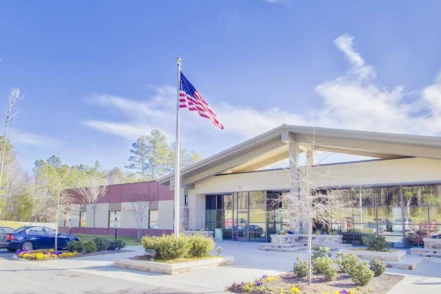
Holly Hill Hospital
3019 Falstaff Road, Raleigh, NC 27610
-
 North Carolina
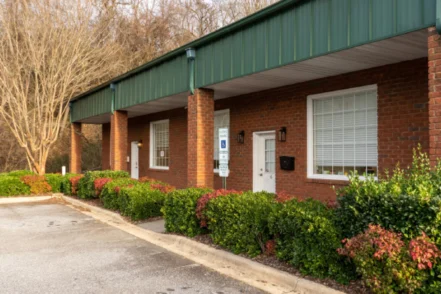
Asheville Recovery Center
9 Old Burnsville Hill Road, Suite 7 Asheville, North Carolina 28804
-
 North Carolina
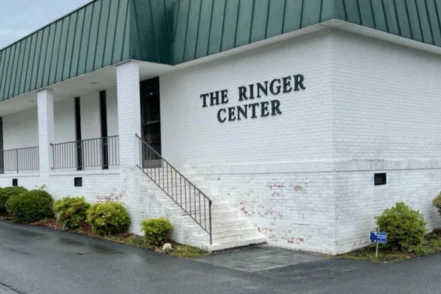
The Ringer Center Greensboro
213 East Bessemer Avenue Greensboro, North Carolina 27401
-
 North Carolina
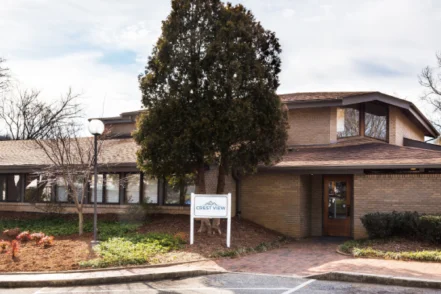
Crest View Recovery Center Asheville
90 Asheland Avenue, Asheville, NC 28801
-
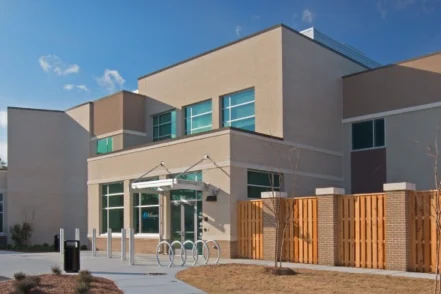 North Carolina
Wilmington Treatment Center Troy Drive
2520 Troy Drive Wilmington, North Carolina 28401
-
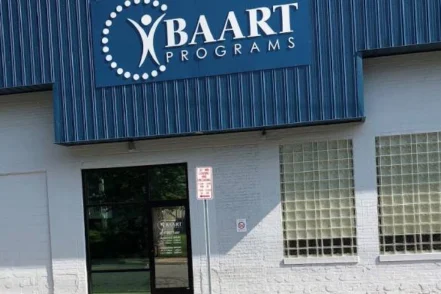 North Carolina
BAART Programs Durham
800 N Mangum Street, Suite 400 Durham, North Carolina 27701
-
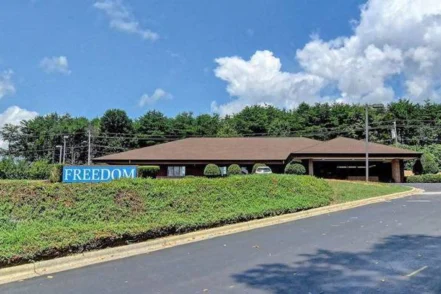 North Carolina
Freedom Detox
1089 X Ray Drive, Gastonia, NC 28054
-
 North Carolina
Silver Ridge
183 Old Turnpike Road, Mills River, NC 28759
-
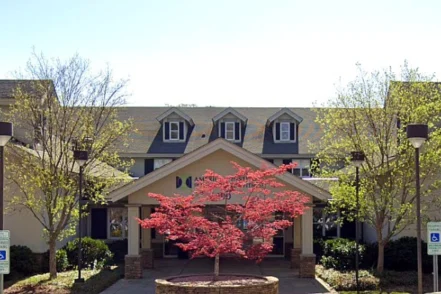 North Carolina
Carolina Performance
8300 Health Park, Suite 201 Raleigh, North Carolina 27615
-
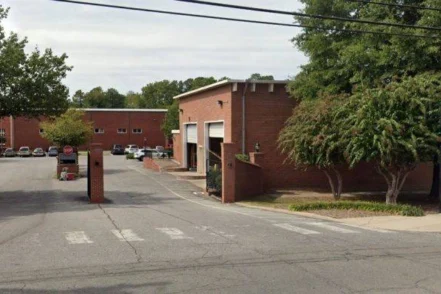 North Carolina
Triangle Residential Options for Substance Abusers
1820 James Street, Durham, NC 27707
-
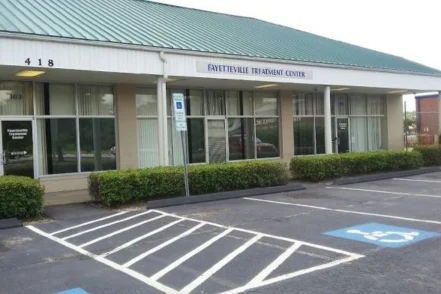 North Carolina
New Season Fayetteville Treatment Center
Person St, Suite 103 Fayetteville, North Carolina 28301
-
 North Carolina
Crossroads of Greensboro
2706 North Church Street Greensboro, North Carolina 27405
Other Popular North Carolina Cities
Browse by North Carolina cities
FAQs
Is GPW Psychiatry an inpatient or outpatient practice?
It’s outpatient, meaning individual counseling appointments at the practice. GPW Psychiatry offers this outpatient treatment for clients of all ages, with each person’s counseling shaped around them and their particular mental health challenges.
Can you attend GPW Psychiatry sessions online?
Yes, that’s an option. The practice offers both in-person sessions at its Raleigh office and virtual sessions, so you can pick whichever fits your schedule.
What insurance does the practice accept?
The named list is Medicare, Cigna and Cigna Behavioral Health, Aetna, MedCost and United Health. Coverage can vary by plan, so a quick call to the practice will confirm yours.
Who can book a counseling session here?
The practice sees clients of all ages. Counseling is individual and shaped around each person, whatever their age, for a wide range of mental health challenges.
What is TMS therapy and what does it treat?
TMS therapy is a treatment for depression that is both non-invasive and drug-free. No medication is involved, and nothing invasive takes place. GPW Psychiatry offers it as part of its depression care.