
About Life Changers Outreach North Carolina Center
Located in rural Pisgah Forest, North Carolina, Life Changers Outreach offers adults a long term residential program for those suffering from mental health challenges, addiction, and other life impacting issues. It’s a Bible focused, Christian faith based program that uses spiritual counseling to help you grow beyond your life challenges.
A Christian Campus Feel in a Quiet Mountain Setting
The facility, focused on the teachings of Jesus Christ, provides separate campuses for men and women who are looking for recovery based on a supportive spiritual approach to care. It is located in a beautiful serene mountain area, conducive to tranquil healing.The program does not require health insurance but rather requests a small donation to take part .
Healing Through a Spiritually Inspired Treatment Program
What I really like about this program is that it is not a clinical or medical program, but rather a Christian faith inspired treatment. The team believes that through participation in a structured environment of scripture study, meditation and prayer, residents will find the healing that they are looking for.
The counseling approach also includes close mentorship from others that have shared your struggles. The residents adhere to strict, substance free rules as well as active participation in chapel services and Bible study.
Families and Residents Express Gratitude for Community Support
I really like the positive feedback received not only from residents but from their families. Patients expressed a sense of gratitude for being able to deepen their faith while finding the counseling they needed to regain their sobriety. Families share their sense of appreciation for family bonds and communication that were healed after participation in the center’s program.
Addiction Treatment Programs

Alcohol Rehab
The best way to achieve recovery from alcohol use disorder is by completing a high-quality alcohol rehab in North Carolina and applying the tools you learn to stay in sobriety. In an alcohol program you’ll not only receive treatment, but you’ll participate in activities, receive peer support, and learn how to have fun without alcohol.

Dual Diagnosis
For many people in North Carolina, dual diagnosis treatment that addresses mental health and substance use is essential to their recovery. In dual diagnosis programs, the activities, peer support, and counseling are tailored to the unique needs of those with mental health concerns. This may include additional therapy, medication, or peer support.

Opioid Addiction
Facilities that offer substance use treatment in North Carolina can give you the skills and tools you need to break free from opioid addiction. Common services include counseling and classes on coping skills, emotional management, communication, and other key life skills. Opioid rehab programs can provide inpatient or outpatient treatment.

Young Adult Rehab
A young adult rehab in North Carolina addresses the recovery needs of clients in this life stage and gives them the tools they need to succeed. In a young adult program, the activities, peer support, and counseling are tailored to the unique needs of this age group. This may include talking about how to start a career, have a family, and live independently.

Adult Program
Adult program programs in North Carolina address the specific needs of this stage of life. In an adult program, the activities, peer support, and counseling are tailored to the unique needs of this age group. This may include talking about how to build a career, raise a family, and handle the many responsibilities of independent living.

Men's Rehab
A men’s rehab in North Carolina can provide every level of care while addressing the unique needs of men. In a men’s program, the activities, peer support, and counseling are tailored to the unique needs of men. This may include talking about career development, fatherhood, communication strategies, and more.
Insurance Coverage

Self-pay options
In North Carolina, one option to pay for substance use treatment is self-pay, also known as private pay. You can use a medical loan, write a check, or send money to the center electronically. Check on the fee structure, which can vary depending on the type of care.

Private insurance
If you’re looking for ways to pay for rehab in North Carolina, consider using private insurance. Insurance plans can pay some or all of the costs of rehab. Each plan has different coverage details, and you’ll pay less if you choose a treatment center in the plan’s network. Contact the insurer to find out more information.

Financing available
Paying for rehab in North Carolina can be done in multiple ways, including using financing options if they are available. Some centers offer financial help such as grants, scholarships, or payment plans. You may also decide to get a medical loan.

Financial aid
Paying for rehab in North Carolina can be done in multiple ways, including using financial aid programs if you qualify. Community groups or non-profits in your area may offer assistance, or you might find a treatment program that has grants or scholarships.
Levels of Care
- 1
Inpatient Rehab
If you’re starting out on your recovery journey, inpatient treatment can give you the focused, supportive environment you need to build a solid foundation. Inpatient care doesn’t just involve therapy, you also enjoy activities and outings, and many programs have holistic treatment like yoga, mindfulness, and more.
- 2
Aftercare Support
Aftercare in North Carolina will help you connect with resources and support from others so you can encourage each other over the long term. A strong aftercare program can include ongoing counseling, education and employment support, housing services, and connections to community resources.
Therapies

Family Therapy
If you struggle with addiction in North Carolina, it’s common to have broken and dysfunctional family relationships. Family therapy can help you address those issues and find support from your loved ones. Family therapy is a common part of both inpatient and outpatient substance use treatment and may be used to help address trauma, build better relationships, and help loved ones become part of your support network.

Group Therapy
If you struggle with addiction in North Carolina, it’s common to feel like no one understands you. Group therapy can help you find common perspectives and support. In rehab, group therapy is only one of the elements of treatment, along with activities, peer support, individual counseling, relapse prevention, and more. Together, all these methods support you in establishing long-term recovery.

Individual Therapy
In North Carolina, individual therapy allows you to work one-on-one with a professional to address your past experiences and substance use triggers. This support and accountability help you establish recovery. Substance use treatment includes detox, inpatient treatment, and outpatient care, and individual therapy may be a part of each of these stages. The goal is to help clients address the roots of addiction, develop motivation to change, and create new habits for a substance-free life.

Trauma Therapy
When you’ve experienced trauma, it’s natural to try to protect yourself from further harm. Trauma-informed therapy in North Carolina can help you see how substance use is connected to your past experiences and how you can learn to care for yourself in healthier ways. Substance use and trauma are interrelated, and trauma-informed therapy involves working with the therapist and your support network to create healthy coping skills, become empowered, and improve resilience.
Location
Contact Life Changers Outreach North Carolina Center


 Sponsored
Treatmentcentersdirectory.com regularly reviews this listing for accuracy but changes may occur between updates. For the most up-to-date information, please contact Life Changers Outreach North Carolina Center.
Top Drug Rehab Centers in North Carolina
-
 North Carolina
Freedom Detox
1089 X Ray Dr Gastonia, North Carolina 28054
-
 North Carolina
BAART Programs Durham
800 N Mangum Street, Suite 400 Durham, North Carolina 27701
-
 North Carolina
The Ringer Center Greensboro
213 East Bessemer Avenue Greensboro, North Carolina 27401
-
 North Carolina
New Season Fayetteville Treatment Center
Person St, Suite 103 Fayetteville, North Carolina 28301
-
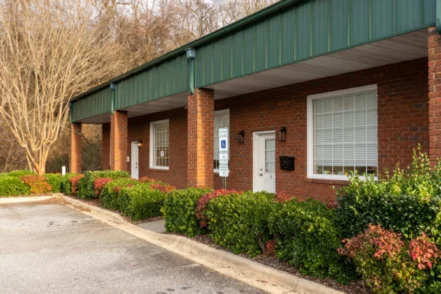 North Carolina
Asheville Recovery Center
9 Old Burnsville Hill Road, Suite 7 Asheville, North Carolina 28804
-
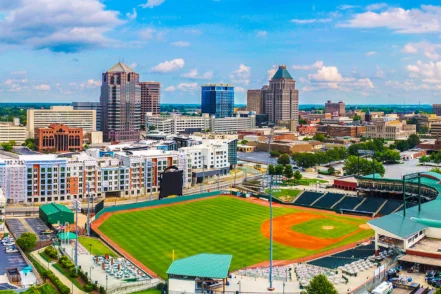 North Carolina
Crossroads of Greensboro
2706 North Church Street Greensboro, North Carolina 27405
-
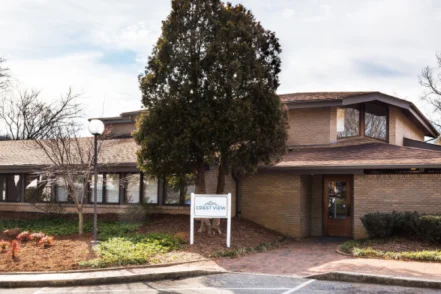 North Carolina
Crest View Recovery Center
90 Asheland Avenue, Suite D Asheville, North Carolina 28801
-
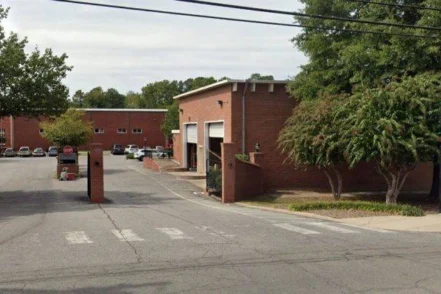 North Carolina
Triangle Residential Options for Substance Abusers
1820 James Street Durham, North Carolina 27707
-
 North Carolina
Holly Hill Hospital
3019 Falstaff Road Raleigh, North Carolina 27610
-
 North Carolina
Dilworth Center
2240 Park Road Charlotte, North Carolina 28203
-
 North Carolina
Wilmington Treatment Center Troy Drive
2520 Troy Drive Wilmington, North Carolina 28401
-
 North Carolina
Carolina Performance
8300 Health Park, Suite 201 Raleigh, North Carolina 27615
-
 North Carolina
Silver Ridge
183 Old Turnpike Road Mills River, North Carolina 28759