
About Focus Behavioral Health
Focus Behavioral Health is a comprehensive rehabilitation facility that provides a wide range of services to help patients heal from addiction and mental health disorders. The facility offers dual diagnosis treatment for patients who suffer from both conditions, as well as specialized programs for young adults and LGBTQ individuals. In addition to traditional therapies like cognitive behavioral therapy and dialectical behavior therapy, Focus Behavioral Health also offers experiential therapies like family therapy and group therapy. Whether you’re struggling with addiction, mental health issues, or both, Focus Behavioral Health can help you get on the road to recovery.
Addiction Treatment Programs

Dual Diagnosis
For many people in North Carolina, dual diagnosis treatment that addresses mental health and substance use is essential to their recovery. In dual diagnosis programs, the activities, peer support, and counseling are tailored to the unique needs of those with mental health concerns. This may include additional therapy, medication, or peer support.

Young Adult Rehab
A young adult rehab in North Carolina addresses the recovery needs of clients in this life stage and gives them the tools they need to succeed. In a young adult program, the activities, peer support, and counseling are tailored to the unique needs of this age group. This may include talking about how to start a career, have a family, and live independently.

LGBTQ Friendly Rehab
An LGBTQ+ friendly rehab in North Carolina can help you achieve long-term recovery by minimizing stigma and giving you the tools you need to break free from addiction. These treatment programs offer detox, inpatient treatment, and outpatient care tailored to the unique needs and challenges of the LGBTQ+ community.

Intensive In-Home Services
Focus Behavioral Health provides Intensive In-Home Services to children and adolescents with mental health needs, delivering therapeutic support directly within the family’s home environment in the Morganton area.
Day Treatment
Day Treatment at Focus Behavioral Health Services serves children and adolescents needing structured therapeutic programming during the day, providing intensive support while allowing individuals to return home each evening.
Community Support Team (CST)
Focus Behavioral Health’s Community Support Team services support adults facing mental health and substance use challenges, offering coordinated, community-based care to promote stability and recovery.
Psychosocial Rehabilitation (PSR)
Psychosocial Rehabilitation services through Focus Behavioral Health assist adults with mental health and substance use challenges in building daily living skills and community integration.
Supported Employment
Focus Behavioral Health Services offers Supported Employment to individuals with mental health and substance use challenges, helping clients gain and maintain employment as part of their recovery journey.
Residential Services
Focus Behavioral Health provides Residential Services in a supervised group living environment, including the Burkwell Group Home, which serves adults with intellectual and developmental disabilities and mental health needs.
Dual Diagnosis Treatment
Focus Behavioral Health Services offers integrated care addressing both mental health and substance use challenges together, combining therapy and medication management for individuals in Morganton, North Carolina.
Insurance Coverage

Medicaid
How do you pay for rehab in North Carolina? If you qualify, a good option is Medicaid. You’ll need to choose a program that accepts Medicaid as payment, and you can access multiple levels of care, including detox, inpatient, and outpatient treatment.

Private insurance
If you’re looking for ways to pay for rehab in North Carolina, consider using private insurance. Insurance plans can pay some or all of the costs of rehab. Each plan has different coverage details, and you’ll pay less if you choose a treatment center in the plan’s network. Contact the insurer to find out more information.

Self-pay options
In North Carolina, one option to pay for substance use treatment is self-pay, also known as private pay. You can use a medical loan, write a check, or send money to the center electronically. Check on the fee structure, which can vary depending on the type of care.

Financial aid
Paying for rehab in North Carolina can be done in multiple ways, including using financial aid programs if you qualify. Community groups or non-profits in your area may offer assistance, or you might find a treatment program that has grants or scholarships.

Sliding scale payment assistance
Paying for rehab in North Carolina can be done in multiple ways, including finding a program with a sliding scale payment plan. A sliding scale allows those in need to pay less for treatment based on their income and family size. You may have to provide financial documentation.

Military insurance
Paying for rehab in North Carolina can be done in multiple ways, including using military insurance. Plans vary, so contact the insurer to find out what treatment centers are in your plan’s network and to learn coverage details.
Levels of Care
- 1
Outpatient Rehab
Focus Behavioral Health Morganton delivers outpatient mental health and substance use services, including SAIOP and SACOT programming, allowing clients to receive structured treatment while remaining in their community.
- 2
Partial Hospitalization Program
Day Treatment through Focus Behavioral Health Services offers structured, therapeutic programming for individuals needing more intensive support than outpatient therapy, without requiring 24-hour inpatient hospitalization.
Therapies

Cognitive Behavior Therapy
Receiving cognitive behavioral therapy in North Carolina helps you identify your automatic interpretations of situations and how that impacts your behavior. CBT can help you identify and challenge maladaptive thoughts, calm your mind, and face your fears rationally.

Dialectical Behavior Therapy
Receiving dialectical behavioral therapy in North Carolina helps you identify your strengths and learn how to create a better life for yourself. DBT can help you replace problem behaviors with skills that give you a healthier way to manage stress and handle substance use triggers.

Experiential Therapy
Experiential therapy allows you to use activities such as art and music to express your emotions and work through trauma. Substance use treatment includes detox, inpatient treatment, and outpatient care, and experiential therapy may be a part of each of these stages. The goal is to help clients work through their emotions using healthy strategies instead of substance use.

Family Therapy
If you struggle with addiction in North Carolina, it’s common to have broken and dysfunctional family relationships. Family therapy can help you address those issues and find support from your loved ones. Family therapy is a common part of both inpatient and outpatient substance use treatment and may be used to help address trauma, build better relationships, and help loved ones become part of your support network.

Group Therapy
If you struggle with addiction in North Carolina, it’s common to feel like no one understands you. Group therapy can help you find common perspectives and support. In rehab, group therapy is only one of the elements of treatment, along with activities, peer support, individual counseling, relapse prevention, and more. Together, all these methods support you in establishing long-term recovery.

Individual Therapy
In North Carolina, individual therapy allows you to work one-on-one with a professional to address your past experiences and substance use triggers. This support and accountability help you establish recovery. Substance use treatment includes detox, inpatient treatment, and outpatient care, and individual therapy may be a part of each of these stages. The goal is to help clients address the roots of addiction, develop motivation to change, and create new habits for a substance-free life.

Trauma Therapy
When you’ve experienced trauma, it’s natural to try to protect yourself from further harm. Trauma-informed therapy in North Carolina can help you see how substance use is connected to your past experiences and how you can learn to care for yourself in healthier ways. Substance use and trauma are interrelated, and trauma-informed therapy involves working with the therapist and your support network to create healthy coping skills, become empowered, and improve resilience.
Outpatient Therapy
Focus Behavioral Health provides outpatient therapy for individuals and families in Morganton, North Carolina, addressing mental health and substance use concerns through ongoing counseling sessions in a community-based setting.
Substance Abuse Intensive Outpatient Program (SAIOP)
SAIOP at Focus Behavioral Health combines therapy, education, and structured support for individuals dealing with substance use disorders, offering a comprehensive outpatient treatment option without requiring residential stay.
Substance Abuse Comprehensive Outpatient Treatment (SACOT)
SACOT services at Focus Behavioral Health Services support individuals with substance use disorders who need structured treatment while continuing to live at home, balancing clinical care with daily community life.
Medication Management
Focus Behavioral Health offers psychiatry and medication management as part of its behavioral health services, helping individuals with mental health and substance use needs manage symptoms alongside therapy.
Accreditations

Location
Contact Focus Behavioral Health


 Sponsored
Treatmentcentersdirectory.com regularly reviews this listing for accuracy but changes may occur between updates. For the most up-to-date information, please contact Focus Behavioral Health.
Top Drug Rehab Centers in North Carolina
-
 North Carolina
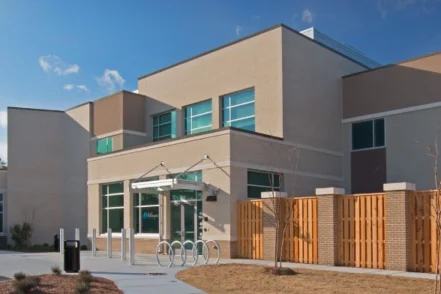
Wilmington Treatment Center Troy Drive
2520 Troy Drive Wilmington, North Carolina 28401
-
 North Carolina
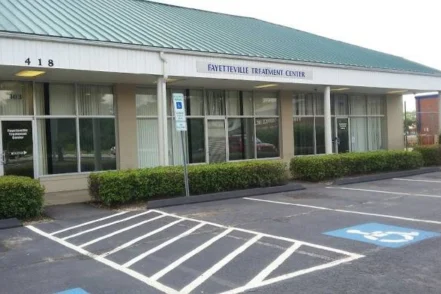
New Season Fayetteville Treatment Center
Person St, Suite 103 Fayetteville, North Carolina 28301
-
 North Carolina
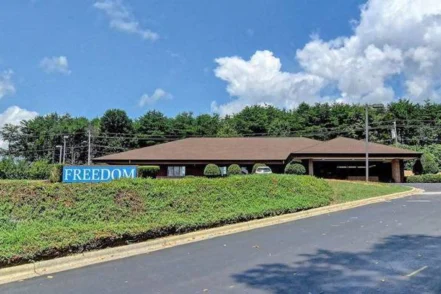
Freedom Detox
1089 X Ray Drive, Gastonia, NC 28054
-
 North Carolina
Dilworth Center
2240 Park Road, Charlotte, NC 28203
-
 North Carolina
Crossroads of Greensboro
2706 North Church Street Greensboro, North Carolina 27405
-
 North Carolina
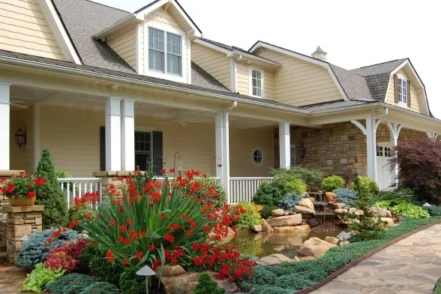
Silver Ridge
183 Old Turnpike Road, Mills River, NC 28759
-
 North Carolina
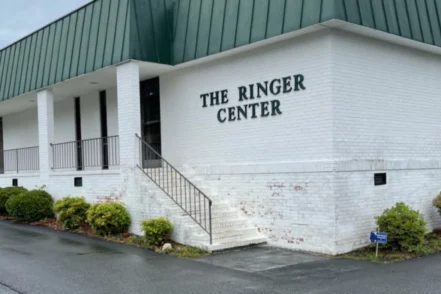
The Ringer Center Greensboro
213 East Bessemer Avenue Greensboro, North Carolina 27401
-
 North Carolina
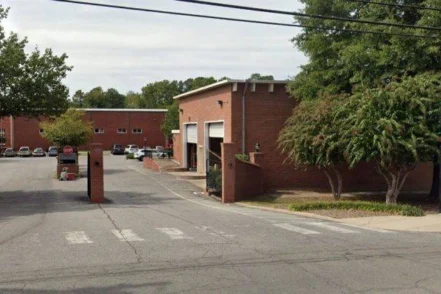
Triangle Residential Options for Substance Abusers
1820 James Street, Durham, NC 27707
-
 North Carolina
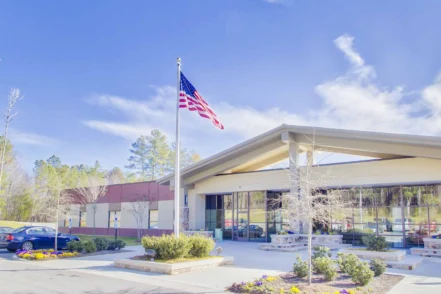
Holly Hill Hospital
3019 Falstaff Road, Raleigh, NC 27610
-
 North Carolina
Carolina Performance
8300 Health Park, Suite 201 Raleigh, North Carolina 27615
-
 North Carolina
BAART Programs Durham
800 N Mangum Street, Suite 400 Durham, North Carolina 27701
-
 North Carolina
Crest View Recovery Center Asheville
90 Asheland Avenue, Asheville, NC 28801
-
 North Carolina
Asheville Recovery Center
9 Old Burnsville Hill Road, Suite 7 Asheville, North Carolina 28804