
About Charlotte Rescue Mission Rebound
Charlotte Rescue Mission Rebound is a residential recovery program in Charlotte, North Carolina serving men who are working to overcome drug and alcohol addiction. The program offers a structured and faith based approach at no cost, combining clinical support with pathways toward stable housing, financial independence and community connection. Clients often appreciate the program’s commitment to long term recovery and reintegration after treatment ends.
What services are available?
Rebound provides a residential program typically lasting 90 to 120 days, centered on a Christian 12 step model for drug and alcohol addiction. Services include group and individual therapy with some dual diagnosis support for men facing co-occurring mental health and substance use challenges.
Who can get help here?
The program serves adult men especially those experiencing homelessness or housing instability alongside addiction. Rebound is designed to meet clients at the intersection of substance use and life challenges such as unemployment, unstable living situations and broken relationships.
What happens after the program?
Graduates can access transitional Recovery Living support for up to two years offering continued accountability, skill building and workforce pathways. This extended support helps men maintain sobriety while rebuilding stability in housing, employment and community connections.
Where is Rebound located?
The men’s recovery program is located at 907 West 1st Street in Charlotte providing a structured residential setting in the heart of the city.
Is there a cost for treatment?
Rebound is offered at no cost to participants. The faith based program is funded through donations and operates on a model that removes financial barriers to recovery.
Addiction Treatment Programs

Alcohol Rehab
The best way to achieve recovery from alcohol use disorder is by completing a high-quality alcohol rehab in North Carolina and applying the tools you learn to stay in sobriety. In an alcohol program you’ll not only receive treatment, but you’ll participate in activities, receive peer support, and learn how to have fun without alcohol.

Dual Diagnosis
For many people in North Carolina, dual diagnosis treatment that addresses mental health and substance use is essential to their recovery. In dual diagnosis programs, the activities, peer support, and counseling are tailored to the unique needs of those with mental health concerns. This may include additional therapy, medication, or peer support.

Opioid Addiction
Facilities that offer substance use treatment in North Carolina can give you the skills and tools you need to break free from opioid addiction. Common services include counseling and classes on coping skills, emotional management, communication, and other key life skills. Opioid rehab programs can provide inpatient or outpatient treatment.

Adult Program
Adult program programs in North Carolina address the specific needs of this stage of life. In an adult program, the activities, peer support, and counseling are tailored to the unique needs of this age group. This may include talking about how to build a career, raise a family, and handle the many responsibilities of independent living.

Senior Rehab
Adults who are older have different needs than younger generations. A senior rehab in North Carolina can give you the tools you need to overcome addiction. In the senior program, the activities, peer support, and counseling are tailored to the unique needs of older clients. This may include pain management education, lower-impact exercise, and outings that are accessible to those with mobility challenges.

Men's Rehab
A men’s rehab in North Carolina can provide every level of care while addressing the unique needs of men. In a men’s program, the activities, peer support, and counseling are tailored to the unique needs of men. This may include talking about career development, fatherhood, communication strategies, and more.

Young Adult Rehab
A young adult rehab in North Carolina addresses the recovery needs of clients in this life stage and gives them the tools they need to succeed. In a young adult program, the activities, peer support, and counseling are tailored to the unique needs of this age group. This may include talking about how to start a career, have a family, and live independently.
Insurance Coverage

Financing available
Paying for rehab in North Carolina can be done in multiple ways, including using financing options if they are available. Some centers offer financial help such as grants, scholarships, or payment plans. You may also decide to get a medical loan.

Free
Free rehabs can provide high-quality addiction care in North Carolina for those who struggle to pay for private programs. Most free rehabs are supported by the state or county. Be sure you find a high-quality program run by licensed professionals that uses evidence-based treatment.

Self-pay options
In North Carolina, one option to pay for substance use treatment is self-pay, also known as private pay. You can use a medical loan, write a check, or send money to the center electronically. Check on the fee structure, which can vary depending on the type of care.

Sliding scale payment assistance
Paying for rehab in North Carolina can be done in multiple ways, including finding a program with a sliding scale payment plan. A sliding scale allows those in need to pay less for treatment based on their income and family size. You may have to provide financial documentation.

Daily
Levels of Care
- 1
Inpatient Rehab
If you’re starting out on your recovery journey, inpatient treatment can give you the focused, supportive environment you need to build a solid foundation. Inpatient care doesn’t just involve therapy, you also enjoy activities and outings, and many programs have holistic treatment like yoga, mindfulness, and more.
- 2
Aftercare Support
Aftercare in North Carolina will help you connect with resources and support from others so you can encourage each other over the long term. A strong aftercare program can include ongoing counseling, education and employment support, housing services, and connections to community resources.
- 3
Sober Living Homes
During sober living in North Carolina, clients live in a safe, substance-free home and can build relationships with others in recovery. Sober living is only one part of long-term recovery. You may also want to connect with ongoing counseling, 12-step or other support groups, education and employment support, and community resources.
Therapies

Cognitive Behavior Therapy
Receiving cognitive behavioral therapy in North Carolina helps you identify your automatic interpretations of situations and how that impacts your behavior. CBT can help you identify and challenge maladaptive thoughts, calm your mind, and face your fears rationally.

Creative Arts Therapy
Sometimes trauma and emotions are buried deeply, and creative arts therapy in North Carolina is a non-traditional therapy that can allow you to express and work through them. Creative arts therapy can help you express emotions that are hard to talk about, helping you understand the experiences that shape your life so you can build new, positive habits.

Group Therapy
If you struggle with addiction in North Carolina, it’s common to feel like no one understands you. Group therapy can help you find common perspectives and support. In rehab, group therapy is only one of the elements of treatment, along with activities, peer support, individual counseling, relapse prevention, and more. Together, all these methods support you in establishing long-term recovery.

Individual Therapy
In North Carolina, individual therapy allows you to work one-on-one with a professional to address your past experiences and substance use triggers. This support and accountability help you establish recovery. Substance use treatment includes detox, inpatient treatment, and outpatient care, and individual therapy may be a part of each of these stages. The goal is to help clients address the roots of addiction, develop motivation to change, and create new habits for a substance-free life.

Rational Behavioral Therapy
Rational behavior therapy in North Carolina involves being aware of how your beliefs are connected to your feelings and behavior. RBT can help you identify and challenge maladaptive beliefs, reframe them, and face triggering events rationally.

Fitness Therapy
Accreditations

Location
Contact Charlotte Rescue Mission Rebound

 Sponsored
Top Drug Rehab Centers in North Carolina
-
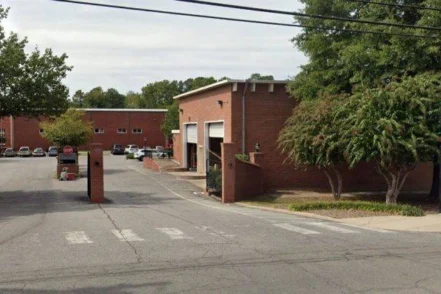 North Carolina
Triangle Residential Options for Substance Abusers
1820 James Street Durham, North Carolina 27707
-
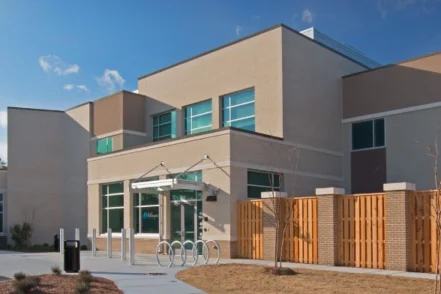 North Carolina
Wilmington Treatment Center Troy Drive
2520 Troy Drive Wilmington, North Carolina 28401
-
 North Carolina
Holly Hill Hospital
3019 Falstaff Road Raleigh, North Carolina 27610
-
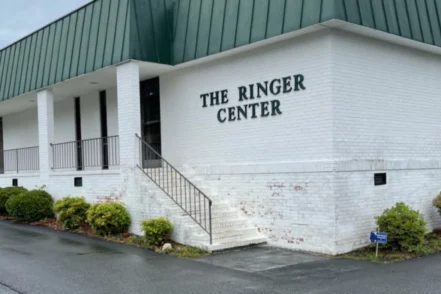 North Carolina
The Ringer Center Greensboro
213 East Bessemer Avenue Greensboro, North Carolina 27401
-
 North Carolina
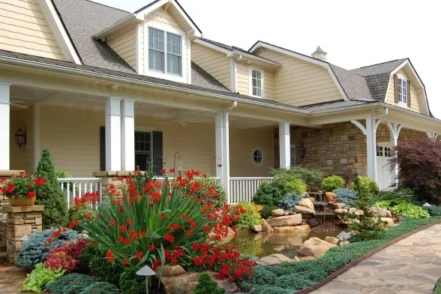
Silver Ridge
183 Old Turnpike Road Mills River, North Carolina 28759
-
 North Carolina
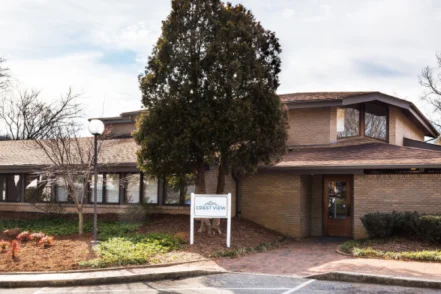
Crest View Recovery Center
90 Asheland Avenue, Suite D Asheville, North Carolina 28801
-
 North Carolina
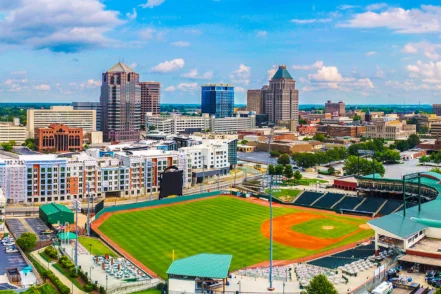
Crossroads of Greensboro
2706 North Church Street Greensboro, North Carolina 27405
-
 North Carolina
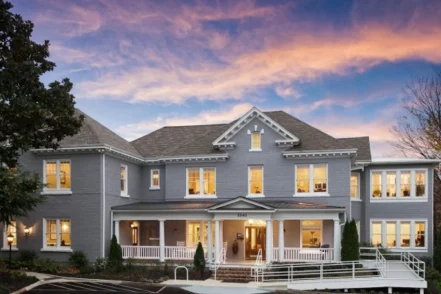
Dilworth Center
2240 Park Road Charlotte, North Carolina 28203
-
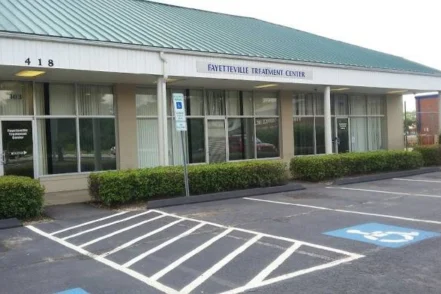 North Carolina
New Season Fayetteville Treatment Center
Person St, Suite 103 Fayetteville, North Carolina 28301
-
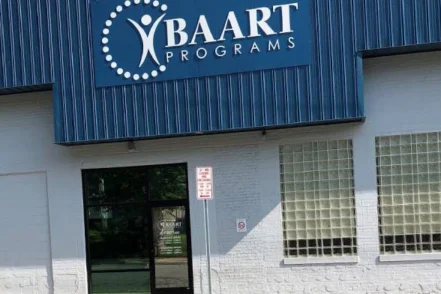 North Carolina
BAART Programs Durham
800 N Mangum Street, Suite 400 Durham, North Carolina 27701
-
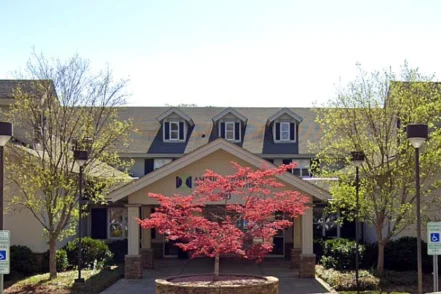 North Carolina
Carolina Performance
8300 Health Park, Suite 201 Raleigh, North Carolina 27615
-
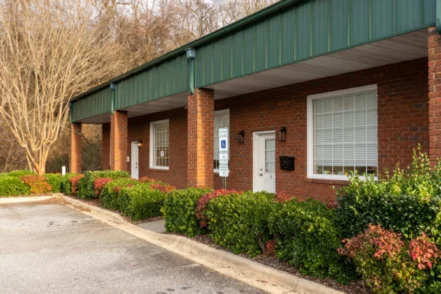 North Carolina
Asheville Recovery Center
9 Old Burnsville Hill Road, Suite 7 Asheville, North Carolina 28804
-
 North Carolina
Freedom Detox
1089 X Ray Dr Gastonia, North Carolina 28054