
About The Counselor in Cary
The Counselor in Cary is an outpatient counseling practice in Cary, North Carolina, specializing in addiction treatment, dual diagnosis care and psychotherapy for individuals, couples and families. Services address alcohol and drug dependencies, sex and porn addiction, anxiety, depression, PTSD, trauma and relationship concerns using evidence based approaches. The practice offers compassionate, confidential care that integrates traditional therapy with 12-step recovery principles to support lasting change.
Comprehensive Addiction Treatment in Cary
The Counselor in Cary provides outpatient treatment for a wide range of addictions, including alcohol, drugs, sex and pornography. The practice uses cognitive behavioral therapy and other evidence-based modalities to help clients build coping skills, address triggers and develop sustainable recovery strategies.
Sessions focus on uncovering the root causes of addictive behaviors while teaching practical tools for relapse prevention and emotional regulation. Treatment integrates 12-step recovery principles with psychotherapy, offering a holistic approach that addresses both the addiction and the underlying issues driving it.
Dual Diagnosis and Mental Health Support
The practice specializes in dual diagnosis care for clients managing addiction alongside co-occurring mental health conditions such as anxiety, depression, PTSD and trauma. Using a trauma-informed approach, treatment addresses the eight manifestations of trauma, codependency, abandonment and rejection issues and self-sabotage patterns that often fuel substance use and emotional distress.
Telehealth, In-Person and Affordable Care
The Counselor in Cary serves clients at the office location in Cary, with telehealth services available for eligible clients across North Carolina. The practice also offers professional supervision for therapists seeking clinical guidance.
Payment options include cash, credit cards and payment plans. They offer sliding-scale fees based on income; however, they also accept most major insurance plans.
Addiction Treatment Programs

Dual Diagnosis
For many people in North Carolina, dual diagnosis treatment that addresses mental health and substance use is essential to their recovery. In dual diagnosis programs, the activities, peer support, and counseling are tailored to the unique needs of those with mental health concerns. This may include additional therapy, medication, or peer support.

Alcohol Rehab
The best way to achieve recovery from alcohol use disorder is by completing a high-quality alcohol rehab in North Carolina and applying the tools you learn to stay in sobriety. In an alcohol program you’ll not only receive treatment, but you’ll participate in activities, receive peer support, and learn how to have fun without alcohol.

Opioid Addiction
Facilities that offer substance use treatment in North Carolina can give you the skills and tools you need to break free from opioid addiction. Common services include counseling and classes on coping skills, emotional management, communication, and other key life skills. Opioid rehab programs can provide inpatient or outpatient treatment.

Drug Rehab
If you’re ready to overcome substance use disorder, a drug rehab in North Carolina can give you the tools you need. The rehab program may use multiple approaches, including nutrition, psychology, holistic methods, and support groups. These tools help you build a substance-free lifestyle and move into long-term recovery.
Insurance Coverage

Sliding scale payment assistance
Paying for rehab in North Carolina can be done in multiple ways, including finding a program with a sliding scale payment plan. A sliding scale allows those in need to pay less for treatment based on their income and family size. You may have to provide financial documentation.

Financial aid
Paying for rehab in North Carolina can be done in multiple ways, including using financial aid programs if you qualify. Community groups or non-profits in your area may offer assistance, or you might find a treatment program that has grants or scholarships.
Levels of Care
- 1
Outpatient Rehab
If you struggle with addiction in North Carolina, outpatient care is one option for rehab. You’ll live at home or in sober living outside of sessions. During outpatient treatment, clients have independence outside of sessions, allowing them to work, attend school, and practice their new habits in real-world situations.
Therapies

Cognitive Behavior Therapy
Receiving cognitive behavioral therapy in North Carolina helps you identify your automatic interpretations of situations and how that impacts your behavior. CBT can help you identify and challenge maladaptive thoughts, calm your mind, and face your fears rationally.

Family Therapy
If you struggle with addiction in North Carolina, it’s common to have broken and dysfunctional family relationships. Family therapy can help you address those issues and find support from your loved ones. Family therapy is a common part of both inpatient and outpatient substance use treatment and may be used to help address trauma, build better relationships, and help loved ones become part of your support network.

Group Therapy
If you struggle with addiction in North Carolina, it’s common to feel like no one understands you. Group therapy can help you find common perspectives and support. In rehab, group therapy is only one of the elements of treatment, along with activities, peer support, individual counseling, relapse prevention, and more. Together, all these methods support you in establishing long-term recovery.
Contact The Counselor in Cary


 Sponsored
Top Drug Rehab Centers in North Carolina
-
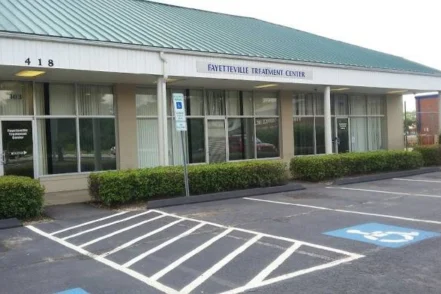 North Carolina
New Season Fayetteville Treatment Center
Person St, Suite 103 Fayetteville, North Carolina 28301
-
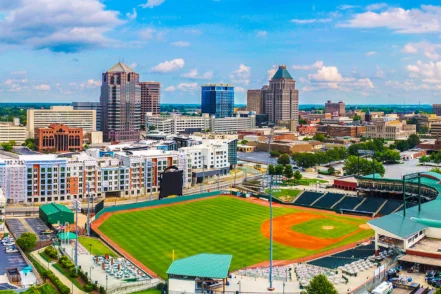 North Carolina
Crossroads of Greensboro
2706 North Church Street Greensboro, North Carolina 27405
-
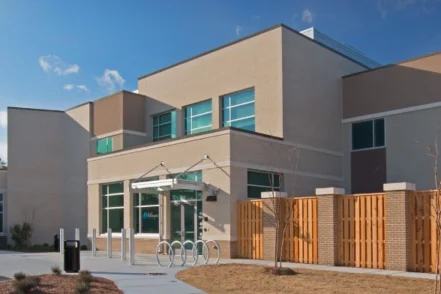 North Carolina
Wilmington Treatment Center Troy Drive
2520 Troy Drive Wilmington, North Carolina 28401
-
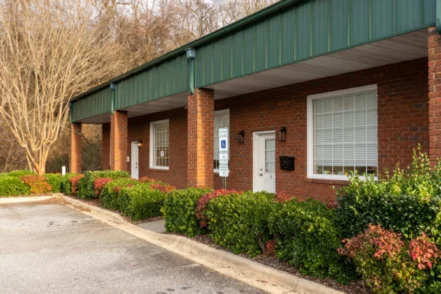 North Carolina
Asheville Recovery Center
9 Old Burnsville Hill Road, Suite 7 Asheville, North Carolina 28804
-
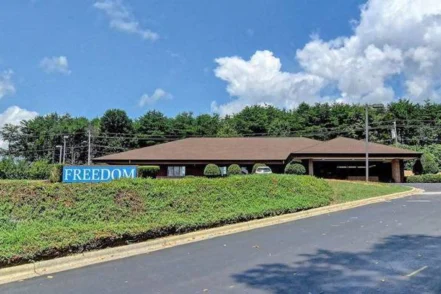 North Carolina
Freedom Detox
1089 X Ray Dr Gastonia, North Carolina 28054
-
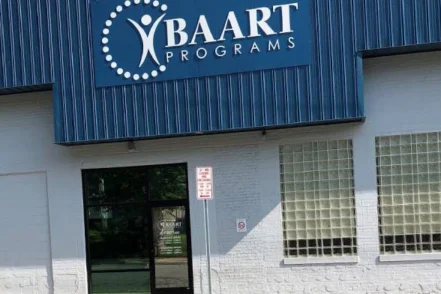 North Carolina
BAART Programs Durham
800 N Mangum Street, Suite 400 Durham, North Carolina 27701
-
 North Carolina
Dilworth Center
2240 Park Road Charlotte, North Carolina 28203
-
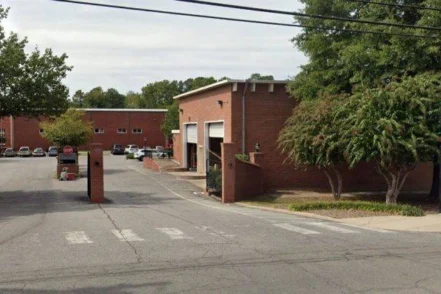 North Carolina
Triangle Residential Options for Substance Abusers
1820 James Street Durham, North Carolina 27707
-
 North Carolina
Holly Hill Hospital
3019 Falstaff Road Raleigh, North Carolina 27610
-
 North Carolina
Silver Ridge
183 Old Turnpike Road Mills River, North Carolina 28759
-
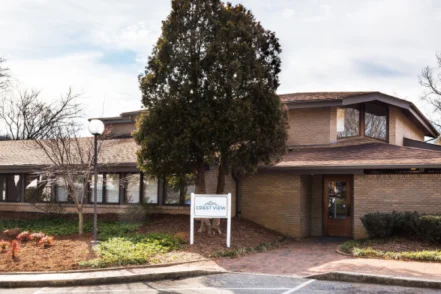 North Carolina
Crest View Recovery Center
90 Asheland Avenue, Suite D Asheville, North Carolina 28801
-
 North Carolina
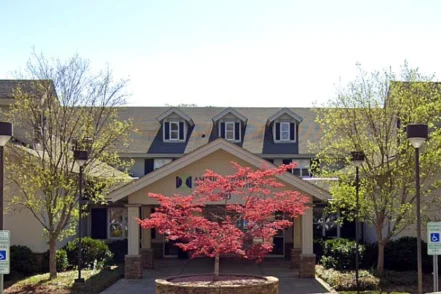
Carolina Performance
8300 Health Park, Suite 201 Raleigh, North Carolina 27615
-
 North Carolina
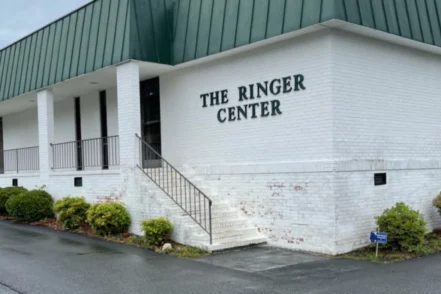
The Ringer Center Greensboro
213 East Bessemer Avenue Greensboro, North Carolina 27401