
About Otter House Wellness
Programs at Otter House Wellness run 14 to 120 days, and the standard outpatient track takes 9 hours a week or less.
The addiction treatment center in Asheville, North Carolina treats adults, but does not offer detox and inpatient care.
However, the staff refer people who need either to a center that does.
Partial Hospitalization and IOP in Asheville
Partial hospitalization is the highest level of care at Otter House, and the IOP sits one step below it.
PHP means day long treatment several days a week without an overnight stay.
Staff include psychiatric nurse practitioners and a collaborating psychiatrist, along with licensed therapists who work with co-occurring conditions.
Clients come in for alcohol, opioid or benzodiazepine dependence as well as mental health conditions. Sessions use CBT, DBT and motivational interviewing, in groups and one-on-one, and family members can be part of the treatment process too.
Private Pay Rates
The center takes private insurance and federal plans, offers private rates for people paying out of pocket, and will go over your policy and set up a payment plan.
Clients come from areas throughout North Carolina.
Addiction Treatment Programs

Adult Program
Adults are the population, across a wide range of substance use disorders, and clients come from throughout the state.

Dual Diagnosis
Dual diagnosis care is part of the lineup. Integrated programs here are designed to handle the complexity of a co-occurring condition.

Alcohol Rehab
Alcohol dependence is among the substances treated here, alongside opioids and benzodiazepines.

Opioid Addiction
Opioid addiction is treated here. The program also names benzodiazepine dependency and alcohol dependence among the issues it handles.

Drug Rehab
If you’re ready to overcome substance use disorder, a drug rehab in North Carolina can give you the tools you need. The rehab program may use multiple approaches, including nutrition, psychology, holistic methods, and support groups. These tools help you build a substance-free lifestyle and move into long-term recovery.

Military Rehab
A military rehab in North Carolina can address issues unique to service members and veterans, allowing you to create a better life for yourself. In a military program, the activities, peer support, and counseling are tailored to the unique needs of service members and veterans. This may include trauma-informed care, treatment for PTSD, stress management, and more.

Medication-Assisted Treatment
Insurance Coverage

Self-pay options
Private rates are offered for the treatment programs, alongside insurance billing.

Financing available
A payment plan can be worked out after your coverage is reviewed.

Private insurance
If you’re looking for ways to pay for rehab in North Carolina, consider using private insurance. Insurance plans can pay some or all of the costs of rehab. Each plan has different coverage details, and you’ll pay less if you choose a treatment center in the plan’s network. Contact the insurer to find out more information.
Levels of Care
- 1
Outpatient Rehab
If you struggle with addiction in North Carolina, outpatient care is one option for rehab. You’ll live at home or in sober living outside of sessions. During outpatient treatment, clients have independence outside of sessions, allowing them to work, attend school, and practice their new habits in real-world situations.
- 2
Partial Hospitalization Program
Partial hospitalization is the highest level of treatment here for addiction recovery. Nothing more intensive is offered at this center.
- 3
Aftercare Support
Aftercare in North Carolina will help you connect with resources and support from others so you can encourage each other over the long term. A strong aftercare program can include ongoing counseling, education and employment support, housing services, and connections to community resources.
Therapies

Cognitive Behavior Therapy
Receiving cognitive behavioral therapy in North Carolina helps you identify your automatic interpretations of situations and how that impacts your behavior. CBT can help you identify and challenge maladaptive thoughts, calm your mind, and face your fears rationally.

Dialectical Behavior Therapy
Receiving dialectical behavioral therapy in North Carolina helps you identify your strengths and learn how to create a better life for yourself. DBT can help you replace problem behaviors with skills that give you a healthier way to manage stress and handle substance use triggers.

Group Therapy
If you struggle with addiction in North Carolina, it’s common to feel like no one understands you. Group therapy can help you find common perspectives and support. In rehab, group therapy is only one of the elements of treatment, along with activities, peer support, individual counseling, relapse prevention, and more. Together, all these methods support you in establishing long-term recovery.

Individual Therapy
In North Carolina, individual therapy allows you to work one-on-one with a professional to address your past experiences and substance use triggers. This support and accountability help you establish recovery. Substance use treatment includes detox, inpatient treatment, and outpatient care, and individual therapy may be a part of each of these stages. The goal is to help clients address the roots of addiction, develop motivation to change, and create new habits for a substance-free life.
Motivational Interviewing
Location
Contact Otter House Wellness


 Sponsored
Treatmentcentersdirectory.com regularly reviews this listing for accuracy but changes may occur between updates. For the most up-to-date information, please contact Otter House Wellness.
Top Drug Rehab Centers in North Carolina
-
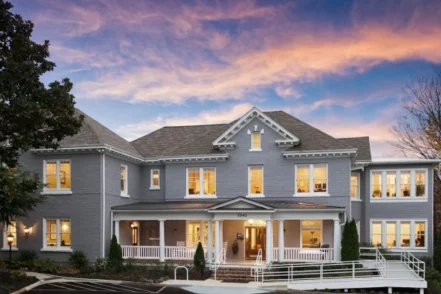 North Carolina
Dilworth Center
2240 Park Road, Charlotte, NC 28203
-
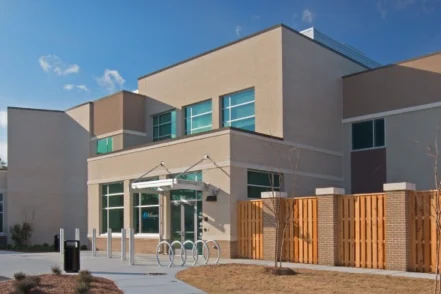 North Carolina
Wilmington Treatment Center Troy Drive
2520 Troy Drive Wilmington, North Carolina 28401
-
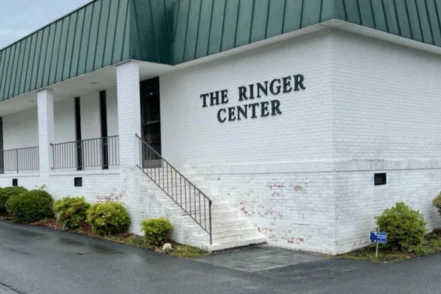 North Carolina
The Ringer Center Greensboro
213 East Bessemer Avenue Greensboro, North Carolina 27401
-
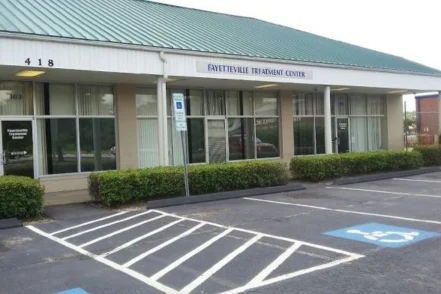 North Carolina
New Season Fayetteville Treatment Center
Person St, Suite 103 Fayetteville, North Carolina 28301
-
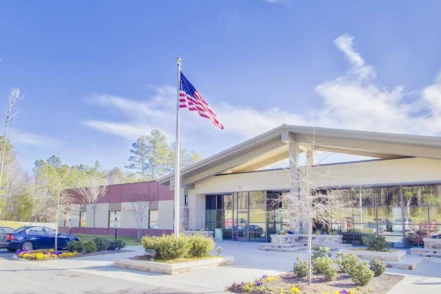 North Carolina
Holly Hill Hospital
3019 Falstaff Road, Raleigh, NC 27610
-
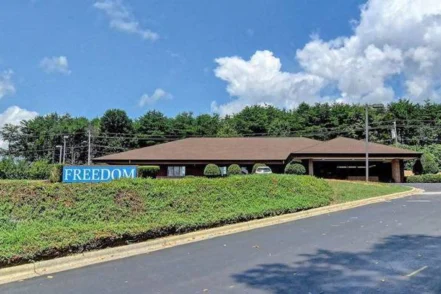 North Carolina
Freedom Detox
1089 X Ray Drive, Gastonia, NC 28054
-
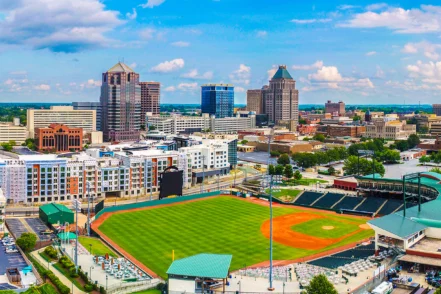 North Carolina
Crossroads of Greensboro
2706 North Church Street Greensboro, North Carolina 27405
-
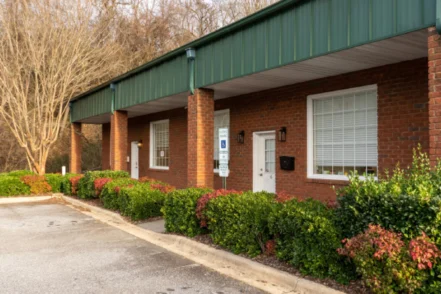 North Carolina
Asheville Recovery Center
9 Old Burnsville Hill Road, Suite 7 Asheville, North Carolina 28804
-
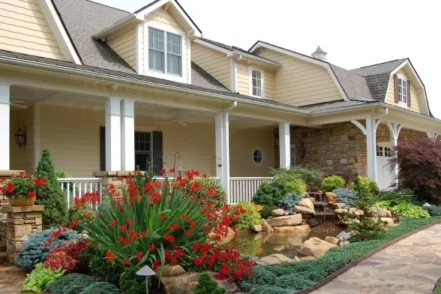 North Carolina
Silver Ridge
183 Old Turnpike Road, Mills River, NC 28759
-
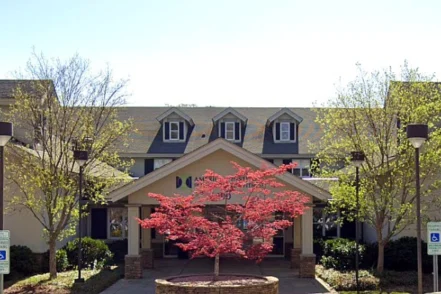 North Carolina
Carolina Performance
8300 Health Park, Suite 201 Raleigh, North Carolina 27615
-
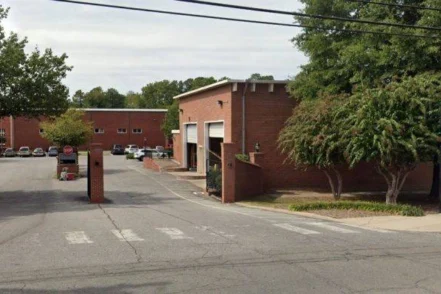 North Carolina
TROSA
1820 James Street, Durham, NC 27707
-
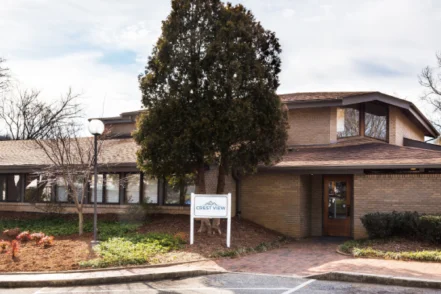 North Carolina
Crest View Recovery Center Asheville
90 Asheland Avenue, Asheville, NC 28801
-
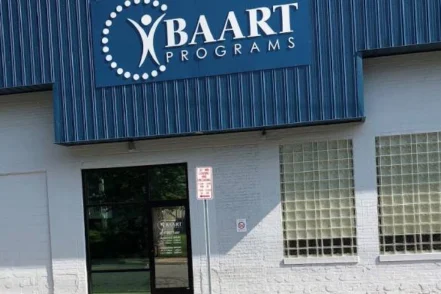 North Carolina
BAART Programs Durham
800 N Mangum Street, Suite 400 Durham, North Carolina 27701
Other Popular North Carolina Cities
Browse by North Carolina cities
FAQs
Which areas of North Carolina do clients come from?
Clients come from areas throughout North Carolina, so the reach is statewide. That’s the area the center serves rather than a single county or city.
Does the center take insurance for its programs?
Yes. Major private and federal insurance providers are accepted, and payment plans can be worked out after a coverage review. Private rates are also offered for the programs.
Who is eligible for Otter House Wellness programs?
Adults. The programs serve adults across North Carolina and cover a wide range of substance use disorders. Dual diagnosis care is part of what the center provides.
How many hours a week is standard outpatient?
9 or fewer hours per week. That’s the schedule at Otter House Wellness, and it’s the weekly total, not a daily figure. The time is short enough to leave most of the week open.