
About Monarch Albemarle
Monarch Albemarle is an outpatient behavioral health and substance use treatment program in Albemarle, North Carolina serving children, adolescents and adults across Stanly County.
The office combines outpatient therapy, psychiatric care, crisis support and care management under one roof. As part of a statewide nonprofit network, Monarch delivers person centered care for addiction, mental health and co-occurring disorders.
Outpatient Addiction Care and More
Care typically begins with screening, assessment and diagnostic services, followed by a person centered treatment plan. Same day Open Access appointments and walk ins make it easier for individuals and families to enter care quickly without waiting weeks for an intake.
Clients can expect outpatient therapy and psychiatric services that may include cognitive behavioral therapy, dialectical behavior therapy, trauma therapy, family and group counseling, and integrated dual disorders treatment.
Wraparound supports such as assertive community treatment, IPS employment services and tailored care management help reinforce long term recovery.
Quick Facts
- Location: 350 Pee Dee Avenue in Albemarle, NC in Stanly County
- Levels of care: Outpatient therapy, psychiatric services, crisis support and care management
- Who they treat: Children, adolescents, young adults and adult men and women, including dual diagnosis
- Approach: Evidence based and person centered including CBT and DBT, trauma therapy and integrated dual disorders treatment
- Hours: Monday through Friday, 8 a.m. to 5 p.m., with same day Open Access and walk ins until 3 p.m.
- Payment options: Medicaid, Medicare, major commercial plans, VA Community Care, sliding fee scale and self pay
Addiction Treatment Programs

Alcohol Rehab
The best way to achieve recovery from alcohol use disorder is by completing a high-quality alcohol rehab in North Carolina and applying the tools you learn to stay in sobriety. In an alcohol program you’ll not only receive treatment, but you’ll participate in activities, receive peer support, and learn how to have fun without alcohol.

Dual Diagnosis
For many people in North Carolina, dual diagnosis treatment that addresses mental health and substance use is essential to their recovery. In dual diagnosis programs, the activities, peer support, and counseling are tailored to the unique needs of those with mental health concerns. This may include additional therapy, medication, or peer support.

Opioid Addiction
Facilities that offer substance use treatment in North Carolina can give you the skills and tools you need to break free from opioid addiction. Common services include counseling and classes on coping skills, emotional management, communication, and other key life skills. Opioid rehab programs can provide inpatient or outpatient treatment.

Adult Program
Adult program programs in North Carolina address the specific needs of this stage of life. In an adult program, the activities, peer support, and counseling are tailored to the unique needs of this age group. This may include talking about how to build a career, raise a family, and handle the many responsibilities of independent living.

Men's Rehab
A men’s rehab in North Carolina can provide every level of care while addressing the unique needs of men. In a men’s program, the activities, peer support, and counseling are tailored to the unique needs of men. This may include talking about career development, fatherhood, communication strategies, and more.

Women's Rehab
Choosing a women’s rehab in North Carolina can be a great way to manage gender-specific issues while also addressing substance use. In a women’s program, the activities, peer support, and counseling are tailored to the unique needs women have. This may include talking about building a career, motherhood, relationship safety, and more.

Young Adult Rehab
A young adult rehab in North Carolina addresses the recovery needs of clients in this life stage and gives them the tools they need to succeed. In a young adult program, the activities, peer support, and counseling are tailored to the unique needs of this age group. This may include talking about how to start a career, have a family, and live independently.

Medication-Assisted Treatment (MAT)
Monarch Albemarle’s substance use services include Medication-Assisted Treatment, combining medication management with counseling to support recovery from alcohol and drug use disorders in Stanly County.
Substance Abuse Intensive Outpatient Program (SAIOP)
The Albemarle office offers a structured Substance Abuse Intensive Outpatient Program, providing a more intensive level of outpatient substance use treatment for clients needing additional clinical support.
Dual Diagnosis Treatment
Monarch provides integrated care for individuals with co-occurring mental health and substance use needs, coordinating therapy, psychiatry, and substance use services at its Stanly County outpatient location.
Peer Support
Peer support services are available at Monarch Albemarle, connecting clients in substance use and mental health recovery with peers who provide encouragement alongside clinical outpatient treatment.
Crisis Services
Monarch offers 24/7 crisis services accessible by phone through an Access Line, supporting individuals in Stanly County experiencing mental health or substance use emergencies outside regular outpatient hours.
Care Management
Care management is part of Monarch Albemarle’s behavioral health outpatient services, helping coordinate psychiatry, therapy, and substance use treatment for children, adults, and families in Stanly County.
Insurance Coverage

Medicaid
Monarch Albemarle accepts Medicaid for outpatient behavioral health and substance use services at its Stanly County office located on Pee Dee Avenue.

Private insurance
Monarch Albemarle accepts most private insurance plans for outpatient mental health and substance use services, with staff available to verify individual coverage details before the first appointment.

Self-pay options
In North Carolina, one option to pay for substance use treatment is self-pay, also known as private pay. You can use a medical loan, write a check, or send money to the center electronically. Check on the fee structure, which can vary depending on the type of care.

Financial aid
Paying for rehab in North Carolina can be done in multiple ways, including using financial aid programs if you qualify. Community groups or non-profits in your area may offer assistance, or you might find a treatment program that has grants or scholarships.

Military insurance
Paying for rehab in North Carolina can be done in multiple ways, including using military insurance. Plans vary, so contact the insurer to find out what treatment centers are in your plan’s network and to learn coverage details.

Medicare
Medicare coverage is accepted at Monarch’s Albemarle outpatient office for psychiatry, therapy, and substance use disorder treatment services.
Levels of Care
- 1
Inpatient Rehab
If you’re starting out on your recovery journey, inpatient treatment can give you the focused, supportive environment you need to build a solid foundation. Inpatient care doesn’t just involve therapy, you also enjoy activities and outings, and many programs have holistic treatment like yoga, mindfulness, and more.
- 2
Outpatient Rehab
Monarch Albemarle operates a behavioral health outpatient office in Stanly County offering therapy, psychiatry, and substance use disorder services, including assessment, counseling, and ongoing recovery support for adults and adolescents.
- 3
Aftercare Support
Aftercare in North Carolina will help you connect with resources and support from others so you can encourage each other over the long term. A strong aftercare program can include ongoing counseling, education and employment support, housing services, and connections to community resources.
- 4
Sober Living Homes
During sober living in North Carolina, clients live in a safe, substance-free home and can build relationships with others in recovery. Sober living is only one part of long-term recovery. You may also want to connect with ongoing counseling, 12-step or other support groups, education and employment support, and community resources.
- 5
Partial Hospitalization Program
Monarch’s Stanly County outpatient office offers a Substance Abuse Intensive Outpatient Program (SAIOP) and Intensive Outpatient Program (IOP), providing a structured, higher level of outpatient care for substance use recovery.
Therapies

Cognitive Behavior Therapy
Receiving cognitive behavioral therapy in North Carolina helps you identify your automatic interpretations of situations and how that impacts your behavior. CBT can help you identify and challenge maladaptive thoughts, calm your mind, and face your fears rationally.

Family Therapy
If you struggle with addiction in North Carolina, it’s common to have broken and dysfunctional family relationships. Family therapy can help you address those issues and find support from your loved ones. Family therapy is a common part of both inpatient and outpatient substance use treatment and may be used to help address trauma, build better relationships, and help loved ones become part of your support network.

Group Therapy
Group-based counseling is offered as part of Monarch’s outpatient substance use disorder services in Albemarle, giving clients peer support and shared recovery strategies alongside individual treatment planning.

Individual Therapy
Monarch Albemarle provides individual counseling as part of its outpatient behavioral health services, supporting adults and adolescents working through substance use and co-occurring mental health concerns in Stanly County.

Trauma Therapy
When you’ve experienced trauma, it’s natural to try to protect yourself from further harm. Trauma-informed therapy in North Carolina can help you see how substance use is connected to your past experiences and how you can learn to care for yourself in healthier ways. Substance use and trauma are interrelated, and trauma-informed therapy involves working with the therapist and your support network to create healthy coping skills, become empowered, and improve resilience.
Cognitive Behavioral Therapy (CBT)
As part of its outpatient therapy and counseling services, Monarch Albemarle incorporates structured, evidence-based approaches to help clients address substance use and underlying mental health conditions.

Assertive Community Treatment
Location
Contact Monarch Albemarle


 Sponsored
Treatmentcentersdirectory.com regularly reviews this listing for accuracy but changes may occur between updates. For the most up-to-date information, please contact Monarch Albemarle.
Top Drug Rehab Centers in North Carolina
-
 North Carolina
Silver Ridge
183 Old Turnpike Road, Mills River, NC 28759
-
 North Carolina
Asheville Recovery Center
9 Old Burnsville Hill Road, Suite 7 Asheville, North Carolina 28804
-
 North Carolina
Holly Hill Hospital
3019 Falstaff Road, Raleigh, NC 27610
-
 North Carolina
Triangle Residential Options for Substance Abusers
1820 James Street, Durham, NC 27707
-
 North Carolina
BAART Programs Durham
800 N Mangum Street, Suite 400 Durham, North Carolina 27701
-
 North Carolina
Crossroads of Greensboro
2706 North Church Street Greensboro, North Carolina 27405
-
 North Carolina
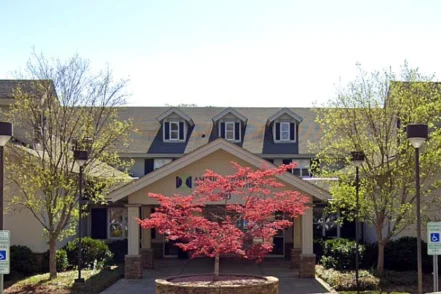
Carolina Performance
8300 Health Park, Suite 201 Raleigh, North Carolina 27615
-
 North Carolina
Dilworth Center
2240 Park Road, Charlotte, NC 28203
-
 North Carolina
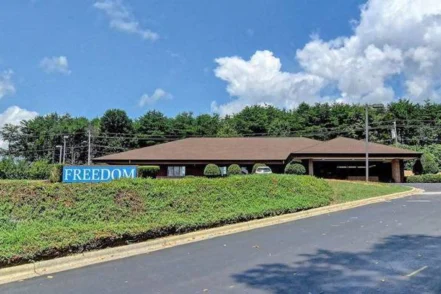
Freedom Detox
1089 X Ray Drive, Gastonia, NC 28054
-
 North Carolina
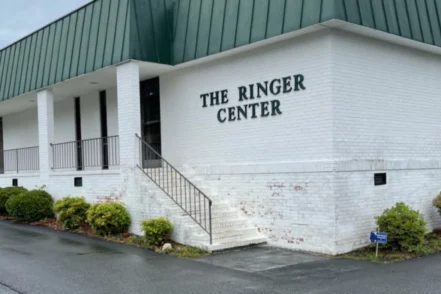
The Ringer Center Greensboro
213 East Bessemer Avenue Greensboro, North Carolina 27401
-
 North Carolina
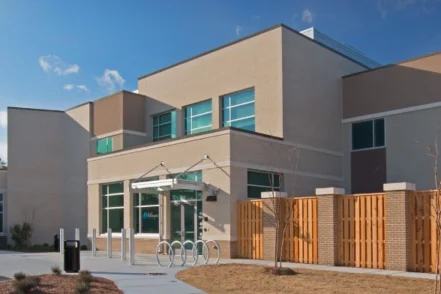
Wilmington Treatment Center Troy Drive
2520 Troy Drive Wilmington, North Carolina 28401
-
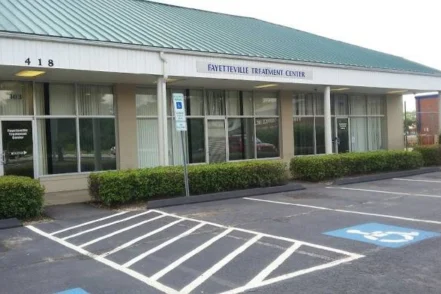 North Carolina
New Season Fayetteville Treatment Center
Person St, Suite 103 Fayetteville, North Carolina 28301
-
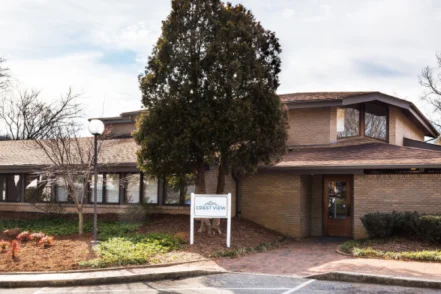 North Carolina
Crest View Recovery Center Asheville
90 Asheland Avenue, Asheville, NC 28801