
About SMHC Medical Center Sanford
SMHC Medical Center Sanford is an addiction treatment provider in Sanford, Maine offering substance use and co-occurring mental health services on a hospital based medical campus. As part of the broader MaineHealth Sanford campus the facility offers a medically integrated approach that connects addiction care with general healthcare services.
Medical Detox and Dual Diagnosis Treatment
Treatment may begin with an assessment to determine the appropriate level of care which can include medical detox, inpatient rehab, or outpatient rehab. This continuum allows clients to stabilize safely and step down to less intensive services as recovery progresses.
Clients can expect evidence based therapies such as cognitive behavioral therapy and trauma therapy alongside counseling. The program also supports dual diagnosis needs and opioid addiction treatment, helping clients address both substance use and co-occurring mental health concerns.
Quick Facts About SMHC Medical Center Sanford
- Levels of care: Detox, inpatient rehab, and outpatient rehab.
- Who they treat: Adults with alcohol, drug, or opioid use disorders, including those with co-occurring mental health needs.
- Approach: Evidence based therapies including CBT, trauma therapy, and family inclusive counseling.
- Payment options: Medicaid, Medicare, financial aid, and self pay.
- Setting: Hospital based medical campus with integrated healthcare access.
Addiction Treatment Programs

Dual Diagnosis
People with a dual diagnosis may be using substances to self-medicate. A high-quality rehab in Maine can address both issues and help you reach recovery. A successful recovery may require counseling, peer support, and even mental health medication to help you manage your mental health symptoms and find better coping strategies.

Opioid Addiction
A treatment program in Maine can give you the tools and skills you need to overcome opioid addiction and reclaim your life. High-quality treatment lays a foundation for sobriety and helps prevent relapses by giving you new ways of thinking, better coping skills, and a better understanding of key life skills such as emotional regulation and communication.

Adult Program
Adult programs in Maine address a wide range of substance use issues while also helping clients with concerns such as raising children or building a career. Adult programs may include detox, inpatient treatment, outpatient care, aftercare services, and more. In addition, they will help you navigate the challenges you face in daily life.

Drug Rehab
Drug rehab in Maine provides professional treatment to help clients overcome substance misuse and build a drug-free life. During this program, you’ll work with professional counselors to deal with the psychological, emotional, and physical issues that substance misuse can cause. Over time, you’ll learn how to live without drug use long-term.

Alcohol Rehab
Alcohol rehab in Maine helps clients find the motivation to make a change and gives them the tools to achieve long-term sobriety. During this program, you’ll work with professional counselors to deal with the psychological, emotional, and physical issues that alcohol misuse can cause. Over time, you’ll learn how to live without drinking long-term.
Insurance Coverage

Medicaid
If you’re looking for ways to pay for rehab in Maine, consider using Medicaid if you qualify. Medicaid pays for most or all of the costs of rehab, making treatment much more accessible.

Medicare
Paying for rehab in Maine can be done in multiple ways, including using Medicare. Plans vary, so be sure to get all the details before you start treatment. You may have out-of-pocket costs such as deductibles and copays.

Financial aid
There are many ways to pay for rehab in Maine. One option is to look into financial aid programs. Paying for detox, inpatient rehab, or outpatient care is much easier if you get a grant or scholarship from the center or a local non-profit or community organization.

Self-pay options
Self-pay in Maine allows you to pay for rehab yourself, using a check, electronic transfer, or medical loan. This gives you maximum freedom to choose whichever center you prefer.
Levels of Care
- 1
Outpatient Rehab
If you’ve recently finished a residential treatment program, participating in outpatient treatment in Maine can help you reinforce and practice your new habits. There are several goals in outpatient treatment. Some sessions may be focused on education about a certain topic, while others allow clients to discuss a specific issue they face.
- 2
Inpatient Rehab
Inpatient treatment in Maine is led by professionals who help you build new habits and skills to live a substance-free life. Inpatient treatment provides focused therapy that allows you to understand the roots of substance use, learn healthy coping skills, and create a new life.
- 3
Detox Treatment
Alcohol and drug rehab in Maine generally starts with detox, which lets you start fresh on building a new life. Rehab programs often use FDA-approved medications, nutrition, therapy, and other treatment methods to ensure detox is safe and you’re ready for the next step in treatment.
Therapies

Group Therapy
It’s easy to feel isolated when you battle addiction, but group therapy in Maine can show you you’re not alone. There are several goals in group therapy. Some sessions may be focused on education about a certain topic, while others allow clients to discuss a specific issue they face. Overall, the group members hold each other accountable and provide encouragement.

Individual Therapy
Individual therapy in Maine can provide professional support and accountability as you work through substance use treatment. Individual therapy is only one element of rehab treatment, along with activities, peer support, group counseling, relapse prevention, and more. Together, all these methods support you in establishing long-term recovery.

Family Therapy
Many people have challenging family backgrounds, and addiction can create unhealthy dynamics as well. Family therapy in Maine allows you to address these concerns. During family therapy, you may talk about acceptance issues, past trauma, communication problems, and more. These discussions are facilitated by a professional who brings an unbiased perspective and can promote healthy communication.

Cognitive Behavior Therapy
Cognitive behavioral therapy in Maine involves being aware of how your thoughts are connected to your feelings and behavior. CBT may include role-playing to help you imagine specific situations that might trigger a negative reaction so you can practice challenging automatic thoughts and choosing a more positive response.

Trauma Therapy
Trauma is an emotional response to a terrible event, and some people use substances to numb those emotions. Trauma-informed therapy in Maine can help you address what happened and consciously create a healthier response. Substance use treatment includes detox, inpatient treatment, and outpatient care, and trauma-informed therapy may be a part of each of these stages. The goal is to help clients acknowledge past experiences, address their feelings, and develop healthy coping mechanisms.
Location
Contact SMHC Medical Center Sanford

 Sponsored
Treatmentcentersdirectory.com regularly reviews this listing for accuracy but changes may occur between updates. For the most up-to-date information, please contact SMHC Medical Center Sanford.
Top Drug Rehab Centers in Maine
-
 Maine
MaineWellspring Outpatient
255 Hammond Street Bangor, Maine 04401
-
 Maine
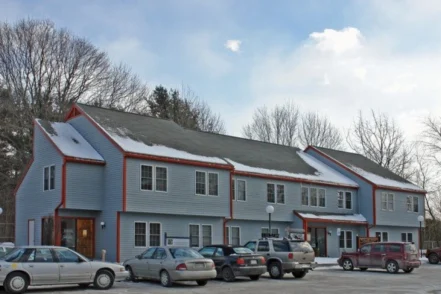
MaineSaVida Health Biddeford
409 Alfred Street, Units 4-5, Biddeford, ME 04005
-
 Maine
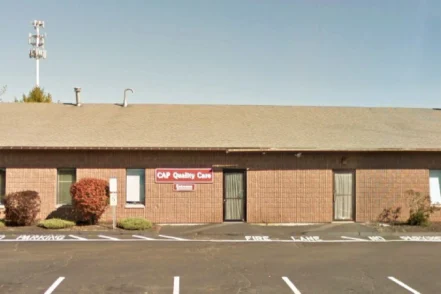
MaineCap Quality Care
1 Delta Drive, Suite A Westbrook, Maine 04092
-
 Maine
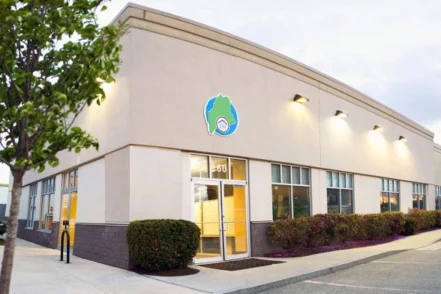
MaineFoundation House
160 Preble Street, Portland, ME 04101
-
 Maine
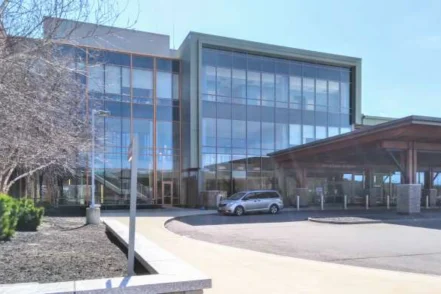
MaineMaineGeneral Health
35 Medical Center Parkway Augusta, Maine 04330
-
 Maine
MaineAcadia Hospital
268 Stillwater Avenue, Bangor, ME 04401
-
 Maine
MaineHope House Health and Living Center
179 Corporate Drive Bangor, Maine 04401
- Maine
New Season Penobscot County Metro Treatment Center
659 Hogan Rd Bangor, Maine 04401