
About Carter Hope Center
In Dalton, Carter Hope Center is a residential treatment center for adults 18 and over in drug and alcohol recovery. They’ll admit all genders. There are 42 beds for the men and 10 for the women. The residential stay runs nine months.
A Job During the Stay
Residents have to get a job and keep it while they’re living at Carter Hope in Dalton. If your person is there, that job is part of the program while treatment continues. They’ll use the Matrix Model, a cognitive behavioral approach. They’ll also use 12 step meetings.
They’re licensed in Georgia as a low-intensity residential program. A Sunlight Trauma Group covers trauma education and processing, and there’s equine-assisted therapy through a partner.
They don’t accept insurance and care is self pay only. Detox isn’t offered on site. It has to be finished before you can be admitted.
Addiction Treatment Programs

Alcohol Rehab
If you’re struggling with your alcohol use, consider an alcohol rehab in Georgia. During this program, you’ll work with professional counselors to deal with the psychological, emotional, and physical issues that alcohol misuse can cause. Over time, you’ll learn how to live without drinking long term.

Drug Rehab
The best way to achieve recovery from substance use disorder is by completing a high-quality drug rehab in Georgia and applying the tools you learn to stay in recovery. During this program, you’ll work with professional counselors to deal with the psychological, emotional, and physical issues that substance misuse can cause. Over time, you’ll learn how to live without drug use long-term.

Adult Program
An adult program in Kentucky addresses the unique needs of adults, such as finding secure housing, building a career, and raising a family. In addition to typical detox, inpatient treatment, and outpatient care, an adult program may also teach clients about building a career, saving for retirement, parenting, and more.

Men's Rehab
When people join a men’s rehab in Georgia, they are able to tackle gender-specific issues while receiving treatment. Men’s programs may include detox, inpatient treatment, outpatient care, and aftercare services. They will also provide education around gender-specific concerns such as fatherhood, healthy relationships, and more.

Women's Rehab
A women’s rehab in Georgia can provide every level of care while addressing the unique needs of women. Women’s programs may include detox, inpatient treatment, outpatient care, aftercare services, and more. They will also address issues specific to women such as motherhood, being a working mother, having healthy communication, and more.

Young Adult Rehab
If you’re a young adult struggling with substance use, consider a young adult rehab program in Georgia. Young adult programs may include detox, inpatient treatment, outpatient care, aftercare services, and more.

12-Step Program
Insurance Coverage

Self-pay options
Self-pay only: a $1450 admission fee that isn’t refundable, then $300 a week. Residents work, and insurance isn’t accepted.
Levels of Care
- 1
Inpatient Rehab
The residential program runs 9 months, and a goal of the program is for each resident to find and keep a job during that time.
- 2
Outpatient Rehab
Outpatient treatment in Georgia can provide a great way to practice and reinforce new habits formed in residential rehab programs. There are several goals in outpatient treatment. Some sessions may be focused on education about a certain topic, while others allow clients to discuss a specific issue they face.
- 3
Aftercare Support
It’s easy to wonder what’s next after treatment, but fortunately, aftercare in Georgia can provide ongoing support. One element of aftercare that can be very helpful is peer support, where you connect with those who have been where you are.
- 4
Sober Living Homes
A key part of long-term recovery in Georgia is to have a safe, substance-free living environment, which is known as sober living. One element of sober living that can be very helpful is peer support, where you build relationships with others in recovery and learn from those who have been where you are.
Therapies

Cognitive Behavior Therapy
The goal of cognitive behavioral therapy (CBT) in Georgia is to address negative thinking patterns to create positive change. CBT may include role-playing to help you imagine specific situations that might trigger a negative reaction so you can practice challenging automatic thoughts and choosing a more positive response.

Family Therapy
Family therapy in Georgia can address conflicts in your family so your loved ones can help provide encouragement, support, and accountability as you work through substance use treatment. During family therapy, you may talk about acceptance issues, past trauma, communication problems, and more. These discussions are facilitated by a professional who brings an unbiased perspective and can promote healthy communication.

Group Therapy
Group therapy in Georgia can provide encouragement, support, and accountability as you work through substance use treatment. There are several goals in group therapy. Some sessions may be focused on education about a certain topic, while others allow clients to discuss a specific issue they face. Overall, the group members hold each other accountable and provide encouragement.

Individual Therapy
During individual therapy in Georgia, clients have a confidential environment to work through their struggles with a professional. Individual therapy is only one element of rehab treatment, along with activities, peer support, group counseling, relapse prevention, and more. Together, all these methods support you in establishing long-term recovery.

Trauma Therapy
Talking about what you’ve been through and how it impacted you is an important way to heal, and trauma-informed therapy in Georgia gives you that opportunity. Substance use treatment includes detox, inpatient treatment, and outpatient care, and trauma-informed therapy may be a part of each of these stages. The goal is to help clients acknowledge past experiences, address their feelings, and develop healthy coping mechanisms.
Matrix Model
Mindfulness & Meditation Therapy
Location
Contact Carter Hope Center


 Sponsored
Treatmentcentersdirectory.com regularly reviews this listing for accuracy but changes may occur between updates. For the most up-to-date information, please contact Carter Hope Center.
Top Drug Rehab Centers in Georgia
-
 Georgia
Sober Living America
3835 Presidential Parkway, 123 a, Atlanta, GA 30340
-
 Georgia
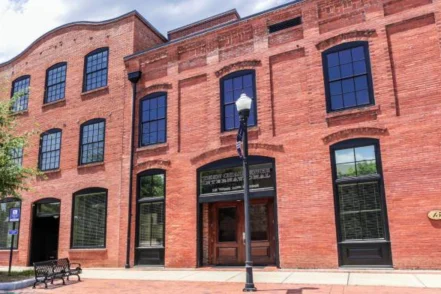
Teen Challenge Southeast Region Corporate Office
15 West 10th Street Columbus, Georgia 31901
-
 Georgia
Southeast Addiction Center
3020 Holcomb Bridge Rd, Suite C Norcross, Georgia 30071
-
 Georgia
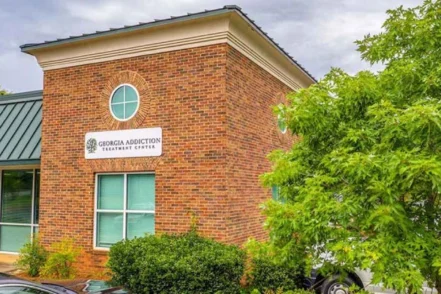
 Addiction Treatment Center
109 Governors Trace, Suite 109-110, Peachtree City, GA 30269
-
 Georgia
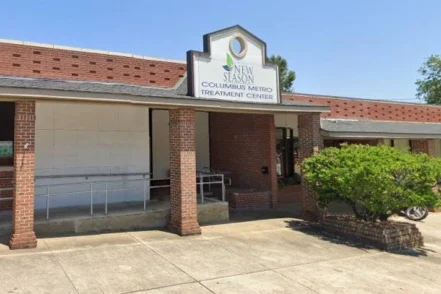
New Season Columbus Metro Treatment Center
1135 13th Street Columbus, Georgia 31901
-
 Georgia
No Longer Bound
2725 Pine Grove Road Cumming, Georgia 30041
-
 Georgia
The Carter Treatment Center Cumming
380 Dahlonega Street, #100, Cumming, GA 30040
-
 Georgia
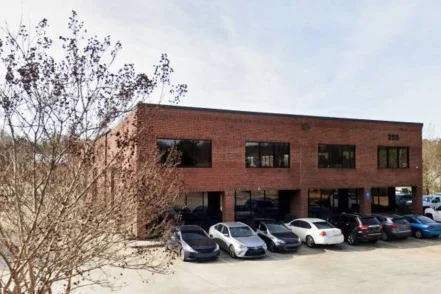
Blue Ridge Mountain Recovery Center
255 Depot Street, Suite 200, Ball Ground, GA 30107
-
 Georgia
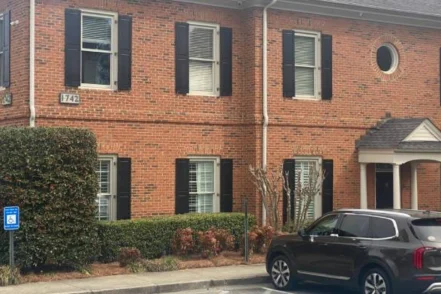
Atlanta Recovery Place
1742 Mt Vernon Rd, Suite 100 Dunwoody, Georgia 30338
-
 Georgia
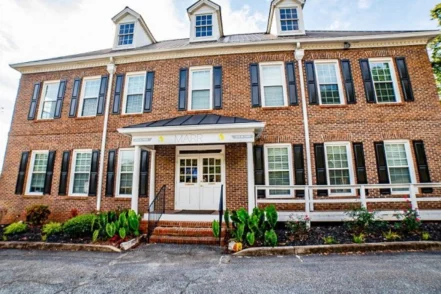
MARR Addiction Treatment Centers
2815 Clearview Place Atlanta, Georgia 30340
-
 Georgia
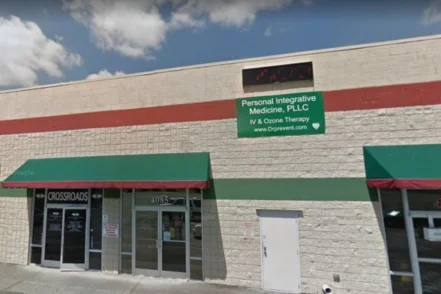
Crossroads Treatment Center of Northwest Georgia
4083 Cloud Springs Road Ringgold, Georgia 30736
-
 Georgia
Bridges of Hope
1326 Jamestown Road, Homerville, GA 31634
-
 Georgia
Twin Lakes Recovery Center Monroe
398 State Hwy 11 Monroe, Georgia 30655
-
 Georgia
Mount Sinai Dahlonega
330 Mt. Sinai Drive Dahlonega, Georgia 30533
Other Popular Georgia Cities
Browse by Georgia cities
FAQs
What levels of care does Carter Hope Center offer?
Its core program is residential: a 9-month stay where residents hold jobs. The center also offers outpatient treatment, a sober living program and an after care group.
How much does the program cost?
There’s a $1450 admission fee that isn’t refundable. After that, residents pay $300 a week and are required to work. The center doesn’t take insurance, so it’s self-pay only.
Does the center serve both men and women?
Yes. The program has 42 beds for men and 10 beds for women, and the minimum age for admission is 18, so it’s adults only.
Which therapies are used in treatment?
Treatment combines cognitive behavioral therapy, using the Matrix Model, with the 12-step model and required meeting attendance. There’s also mindfulness and meditation, Accelerated Resolution Therapy, a trauma group, individual counseling and family addiction education.