
About Behavior Management Systems Elk Street
Behavior Management Systems operated by West River Mental Health offers residential addiction treatment, adolescent intensive outpatient services and substance use assessments in Rapid City, South Dakota.
The program serves women, adults, young adults and adolescents navigating substance use disorders, co-occurring mental health conditions, and trauma.
Their focus is on providing a safe, supportive recovery environment that removes barriers to care for families across western South Dakota.
Full Circle Residential Addiction Treatment for Women
The Full Circle program is a residential addiction treatment option designed specifically for women in recovery, including those who are pregnant or postpartum.
Eligible mothers can have their children, from newborn through age 10 reside with them during treatment, helping eliminate one of the most significant barriers women face when seeking care.
Treatment integrates trauma-focused care, cognitive behavioral therapy, motivational interviewing, the Matrix Model and 12-step facilitation through intensive counseling.
Clients also gain access to parenting skills, prenatal and well-baby care, job readiness, family reunification support and housing connections to build a stable foundation for long-term recovery.
Adolescent Care and Substance Use Assessments
The Elk Street location also offers an Adolescent Alcohol and Drug Intensive Outpatient Program for ages 14 to 17, featuring after-school structured programming, peer support, therapy and family engagement.
Comprehensive substance use assessments are available for adolescents and adults, including referrals from courts, probation, employers and self-referrals.
Services are provided in person with telehealth options available for select services across western South Dakota.
Addiction Treatment Programs

Dual Diagnosis
South Dakota dual diagnosis treatment is an integrated approach that addresses both your mental health and substance use. Along with traditional evidence-based substance use treatment, clients may receive mental health counseling, medication, peer support, and other tools to help them manage their mental health.

Young Adult Rehab
A young adult rehab in South Dakota addresses the unique needs of young people transitioning to adulthood. Along with traditional evidence-based treatment, clients may receive educational support, employment training, and help securing housing.

Adult Program
Choosing an adult program in South Dakota can be a great way to address important life issues while also getting addiction treatment. Along with traditional evidence-based treatment, clients may receive employment support, parenting classes, and help to secure housing.

Senior Rehab
A senior rehab in South Dakota can address issues unique to your situation, allowing you to create a better life for yourself. Along with traditional evidence-based treatment, clients may receive peer support, pain management education, and referrals to social services that can help with challenging aspects of daily life.

Men's Rehab
Choosing a men’s rehab in South Dakota helps give you the support you need to overcome addiction and learn to handle gender-specific challenges. Along with traditional evidence-based treatment, clients may receive education on topics relevant to men, such as fatherhood, healthy relationships, emotional vulnerability, and more.

Women's Rehab
Women’s rehab programs in South Dakota can help women make healthier life choices and avoid common mistakes. Along with traditional evidence-based treatment, clients may receive help with childcare, classes in parenting, and advice about being a working mother and building healthy relationships.
Insurance Coverage

Medicaid
For those who qualify, one option for paying for rehab in South Dakota is using Medicaid. Medicaid pays for most or all of the costs of rehab, making treatment much more accessible.

Private insurance
For those with private insurance, using your coverage to pay for treatment in South Dakota can make rehab more accessible. Because plans vary, be sure to contact the insurer to find out what centers are in-network with your coverage and to find out what out-of-pocket costs you might be responsible for.

Self-pay options
In South Dakota, you can pay for rehab yourself, which is known as self-pay. When you write a check, use a medical loan from a credit union or bank, or send money electronically, you have the ability to choose any treatment center you prefer.

Financial aid
If you qualify, financial aid programs can help pay for some or all of the costs of rehab in South Dakota. Financial aid options help you manage the cost of treatment by allowing you to use a grant or scholarship. Aid may be available through the center or through community groups in your area.

Sliding scale payment assistance
If you’re looking for ways to pay for rehab in South Dakota, consider finding a program with a sliding scale payment plan. A sliding scale allows those in need to pay less for treatment based on their income and family size. You may have to provide financial documentation.

Medicare
One way to pay for rehab in South Dakota is to use Medicare. Your insurance plan can pay for some or all of the costs of rehab, especially if you choose a center that’s in the Medicare plan’s network. Be sure to get the full details before you start treatment.

Military insurance
There are many ways to pay for rehab in South Dakota. One option for those who qualify is military insurance. Insurance plans can pay some or all of the costs of rehab. Each plan has different coverage details, and you’ll pay less if you choose a treatment center in the plan’s network. Contact the insurer to find out more information.
Levels of Care
- 1
Outpatient Rehab
For those who are more medically stable or have finished an inpatient program, outpatient treatment in South Dakota can be a useful form of rehab. Outpatient treatment includes multiple approaches, including cognitive behavioral therapy (CBT), motivational interviewing (MI), and holistic therapy options.
Therapies

Cognitive Behavior Therapy
When you’re struggling with addiction in South Dakota, your actions and thoughts may not be rational. Cognitive behavioral therapy (CBT) can help you challenge your thoughts and adjust your actions accordingly. CBT is a common part of evidence-based treatment programs and may be a part of inpatient treatment, outpatient care, or both. CBT can be empowering as you learn to manage your thoughts and emotions rather than being overwhelmed by them.

Dialectical Behavior Therapy
When you’re struggling with addiction in South Dakota, stressful situations can be a trigger. Dialectical behavioral therapy (DBT) allows you to learn new coping strategies and build your confidence so you can make healthier decisions. DBT is a common part of evidence-based treatment programs and may be a part of inpatient treatment, outpatient care, or both.

Experiential Therapy
Many people benefit from experiential therapy in South Dakota because they are able to express their emotions and work through trauma in non-traditional ways. Experiential therapy is commonly part of inpatient or intensive outpatient treatment and may be used to help with skill-building, addressing trauma, and managing substance use triggers.

Family Therapy
One way to address the family conflict and challenging relationships that may impact your substance use is during family therapy in South Dakota. Some of the topics covered in family therapy include improving communication, developing healthy coping skills, avoiding codependency and enablement, and learning to support each other in healthy ways that foster recovery from addiction.

Group Therapy
One way to share your feelings and get feedback during rehab in South Dakota is during group therapy. Group therapy is a normal part of evidence-based treatment programs, and may be a part of inpatient treatment, outpatient care, or both. Topics include addiction education, sharing of experiences, and learning new skills.

Individual Therapy
It’s easy to feel isolated when you battle substance use, but individual therapy in South Dakota can give you a professional ally in overcoming the roots of addiction. Individual therapy is a common part of both inpatient and outpatient substance use treatment, and may be used to help with skill-building, overcoming trauma, and creating a substance-free lifestyle.

Trauma Therapy
Sometimes addiction is a way to self-medicate and avoid how you feel about past traumatic events. Trauma-informed therapy can help you address these feelings and build a better life. Trauma-informed therapy sessions generally last 60 to 90 minutes and may include discussing a specific event, talking about emotional triggers, and learning emotional regulation and cognitive restructuring skills.
Location
Contact Behavior Management Systems Elk Street

 Sponsored
Top Drug Rehab Centers in South Dakota
-
 South Dakota
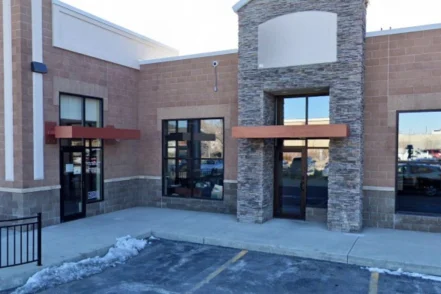
Addiction Recovery Centers of Black Hills Rapid City
1520 North Haines Avenue, Suite 6 Rapid City, South Dakota 57701
-
 South Dakota
Lewis and Clark Behavioral Health Yankton
1000 West 4Th Street Yankton, South Dakota 57078
-
 South Dakota
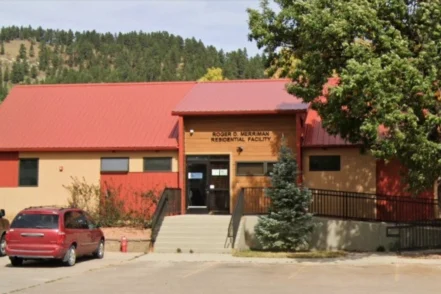
Compass Point Sturgis
1807 Williams Street Sturgis, South Dakota 57785
-
 South Dakota
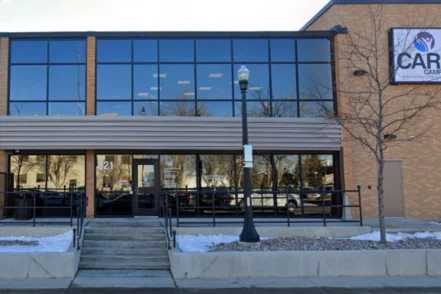
Pennington County Sheriffs Office Care Campus Addiction Treatment
321 Kansas City Street Rapid City, South Dakota 57701
-
 South Dakota
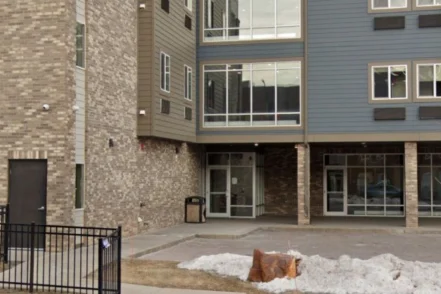
Arch Residential Treatment Center
516 W 12Th St Sioux Falls, South Dakota 57104
-
 South Dakota
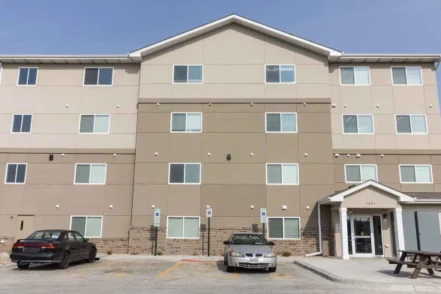
Glory House Sioux Falls
4000 South West Avenue Sioux Falls, South Dakota 57109
-
 South Dakota
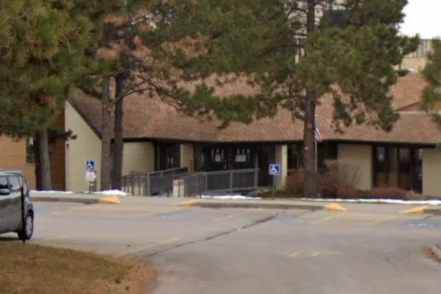
Behavior Management Systems Elk Street
350 Elk Street Rapid City, South Dakota 57701
-
 South Dakota
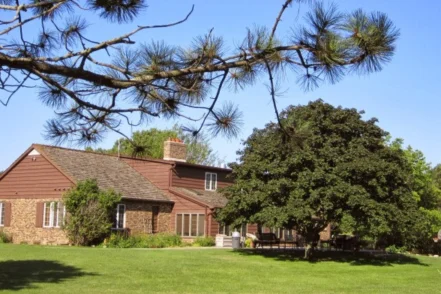
Tallgrass Recovery
27048 Tallgrass Avenue Sioux Falls, South Dakota 57108
-
 South Dakota
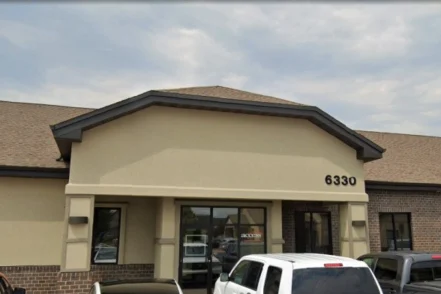
Bartels Counseling Services Sioux Falls
6330 South Western Avenue, Suite 140 Sioux Falls, South Dakota 57108
-
 South Dakota
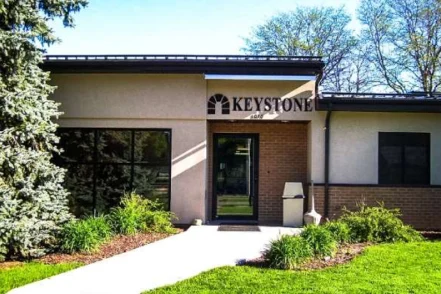
Keystone Treatment Center Canton
1010 East 2Nd Street Canton, South Dakota 57013