
Portland, OR Drug & Alcohol Treatment Centers

14 results nearby

Looking for help with addiction in Portland, OR?

NameAddressTreatment ProgramsInsuranceMedia

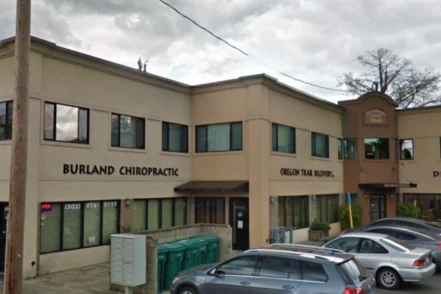
Oregon Trail Recovery

10600 Southeast McLoughlin Boulevard, Suite 207
Milwaukie, Oregon 97222

Treatment Programs

  • Alcohol Rehab
  • Dual Diagnosis
  • +10

Insurance

  • Private insurance
  • Self-pay options
  • +1

Providence Health and Services Senior Psychiatric Unit at Providence Milwaukie Hospital

10150 Southeast 32nd Avenue
Milwaukie, Oregon 97222

Treatment Programs

  • Dual Diagnosis
  • Senior Rehab

Insurance

  • Medicaid
  • Medicare
  • +1
Get Help Now
Confidential & Free
503-980-3620
Sponsored
  • Learn about treatment options
  • Find helpful resources
  • Available 24/7

Morrison Child and Family Services Beaverton

14025 Sw Farmington Road, Suite 160 and 300
Beaverton, Oregon 97005

Treatment Programs

  • Dual Diagnosis
  • Young Adult Rehab
  • +1

Insurance

  • Medicaid
  • Private insurance
  • +1

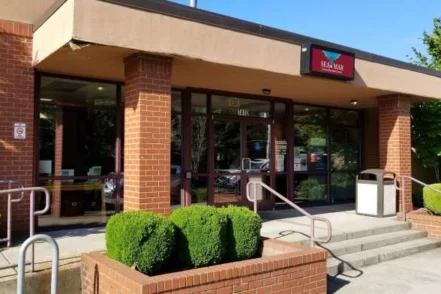
Sea Mar Community Health Centers Delaware Lane

7410 Delaware Lane
Vancouver, Washington 98664

Treatment Programs

  • Alcohol Rehab
  • Dual Diagnosis
  • +4

Insurance

  • Medicaid
  • Self-pay options
  • +3

Community Services NW

1601 East 4th Plain Boulevard, #17
Vancouver, Washington 98661

Treatment Programs

  • Alcohol Rehab
  • Dual Diagnosis
  • +4

Insurance

  • Self-pay options
  • Financial aid
  • +3

Lifeline Connections Vancouver

1601 East Fourth Plain Boulevard, Suite A212
Vancouver, Washington 98661

Treatment Programs

  • Alcohol Rehab
  • Dual Diagnosis
  • +5

Insurance

  • Medicaid
  • Private insurance
  • +3

VA Northwest Health Network

1601 East 4th Plain Blvd Vancouver, Suite 403, Building 17
Vancouver, Washington 98661

Treatment Programs

  • Alcohol Rehab
  • Dual Diagnosis
  • +5

Insurance

  • Self-pay options
  • Military insurance

Action Vocational Resources

2912 Main Street, Suite 4
Vancouver, Washington 98663

Treatment Programs

  • Alcohol Rehab
  • Dual Diagnosis
  • +4

Insurance

  • Self-pay options

Northwest Behavioral Health Gladstone

18000 Se Webster Road
Gladstone, Oregon 97027

Treatment Programs

  • Alcohol Rehab
  • Dual Diagnosis
  • +5

Insurance

  • Private insurance
  • Self-pay options
  • +1

Lifeline Connections Crisis Wellness Center

5197 Northwest Lower River Road, Building #1
Vancouver, Washington 98660

Treatment Programs

  • Dual Diagnosis
  • Crisis Residential Stabilization
  • +1

Insurance

  • Private insurance
  • Self-pay options

Sequoia Mental Health Services

4585 Southwest 185th Avenue
Aloha, Oregon 97078

Treatment Programs

  • Alcohol Rehab
  • Dual Diagnosis
  • +4

Insurance

  • Medicaid
  • Self-pay options
  • +1

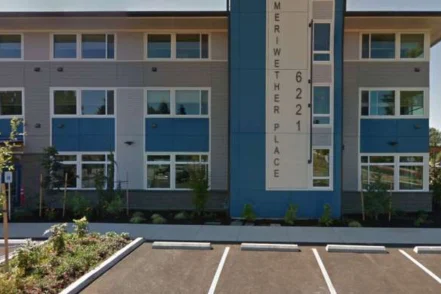
Lifeline Connections – Meriwether Place Office

6221 Northeast Fourth Plain Boulevard, suite a
Vancouver, Washington 98661

Treatment Programs

  • Dual Diagnosis
  • Medication for Opioid Use Disorder
  • +5

Insurance

  • Private insurance
  • Self-pay options
  • +1

Affinity Counseling and Treatment

12503 Southeast Mill Plain Boulevard, Suite 250
Vancouver, Washington 98684

Treatment Programs

  • Alcohol Rehab
  • Dual Diagnosis
  • +9

Insurance

  • Private insurance
  • Self-pay options
  • +2

Center for Dual Diagnosis Recovery Columbia River – MH Services

6926 Northeast Fourth Plain Boulevard, # A
Vancouver, Washington 98661

Treatment Programs

  • Dual Diagnosis
  • Young Adult Rehab
  • +4

Insurance

  • Medicaid
  • Private insurance
  • +3

Top Drug Rehab Centers in Oregon

Treatment in Portland: Where to Find Programs

Portland’s directory lists 50 treatment listings, the largest concentration in Multnomah County and one of the deepest in the state. The mix spans the full range of care: medical detox, residential and inpatient programs, partial hospitalization, intensive outpatient, and standard outpatient counseling, along with specialty tracks for co-occurring mental health needs.

This range of treatment matters because it means a person can move from one level of care to the next without leaving the city, which is not available everywhere in Oregon. Programs cluster most heavily in the inner neighborhoods, close to downtown, Southeast Portland’s Hawthorne and Belmont corridors, and North and Northeast Portland.

These are areas where the city’s transit lines converge. Moving outward, the surrounding suburbs add their own smaller pools. Beaverton, to the west along US-26, and Hillsboro, further out in Washington County, both have outpatient-focused listings on the west side.

To the east, Gresham anchors the far end of the MAX Blue Line, and Milwaukie south along the Willamette. None of these suburbs comes close to Portland’s own count, but together they give the metro real depth for someone weighing more than one option.

This is why a Portland search on the map often pulls in results from towns you did not type. Portland, Beaverton, Gresham, Hillsboro, and Milwaukie function as one connected treatment market, tied together by I-5, I-84, and I-205 and by the MAX rail system that threads through all of them.

A person based in inner Portland can reasonably consider a program in any of these towns without a long commute, which is worth knowing before narrowing a search to city limits.

For a plain-language breakdown of what each level of care actually involves, the levels of care guide is a useful starting point.

Starting Treatment in Portland: How It Works Here

In Oregon, you do not need county pre-approval to begin receiving care. You can go straight to a licensed provider and ask for an assessment, since the Oregon Health Authority’s Behavioral Health Division licenses and certifies both residential and outpatient behavioral health programs statewide.

Multnomah County also runs a Behavioral Health Resource Network, a Measure 110-funded, county-level access point that can help route someone toward treatment and recovery support.

Oregon’s approach to low-level drug possession has shifted more than once in recent years, so if a court or police contact is part of how someone is reaching care, ask directly about the county’s current deflection process rather than assuming last year’s rules still apply.

Portland’s access to treatment leans heavily toward the full continuum, including detox, residential, PHP, IOP, and outpatient counseling, all represented within the city, concentrated in the inner neighborhoods described above.

However, Portland does not have standalone sober living and transitional housing capacity spread evenly across every neighborhood. Recovery residences are typically outside the same state facility license that covers treatment programs.

If a referral includes a sober living placement, ask the operator directly what certification it holds. Oregon’s NARR affiliate, the Mental Health and Addiction Certification Board of Oregon, certifies recovery housing through NARR’s state affiliate structure.

For someone trying to work or stay in school, the inner city’s transit density makes several-evenings-a-week attendance realistic without a car, since intensive outpatient and standard outpatient schedules cluster along the same MAX and bus corridors that serve downtown and the near neighborhoods.

That workable-schedule picture gets thinner the further out you go, which is part of why Gresham and the east county read differently on paper than central Portland does.

Getting to Treatment in Portland

Portland International Airport (PDX) is the metro’s main gateway. Allow roughly 20 to 45 minutes to drive between PDX and downtown depending on traffic, or skip the drive altogether and use TriMet’s MAX Red Line, which runs directly from the airport into downtown.

For anyone traveling without flying, Union Station downtown is Oregon’s primary rail and bus hub, served by Amtrak Cascades, the Coast Starlight, the Empire Builder, and Greyhound. For travelers coming in by rail or bus, Portland is the state’s effective gateway.

Once you’re in Portland, the I-5 runs north-south through the city, connecting Portland to Salem and Eugene to the south and to Vancouver, Washington and Seattle to the north. I-84 runs east from downtown through east Portland into Gresham, and I-205 forms an eastern loop crossing the Columbia River.

Highway 26 covers both directions out of downtown, west toward the Coast Range and east toward Mount Hood. Inside the city, TriMet’s MAX light rail (five lines, roughly 60 miles and 95 stations) and the downtown Streetcar mean a car is often unnecessary for someone attending a program based in the inner neighborhoods.

This access changes once you’re outside the rail and core bus corridors. Many outer neighborhoods and most of the rest of Multnomah County are a long multi-transfer bus ride at best, so confirm with a program’s admissions team whether their location is realistically transit-reachable before ruling out a car entirely.

The Recovery Environment: Portland’s Rain, Rivers, and Green Space

Portland gets roughly 40 to 43 inches of rain a year, heaviest from November through March, with occasional light snow in winter and a dry, mild summer. For a 30 to 90 day stay, that means packing layers and waterproof footwear for most months.

The weather also means outdoor programming often shifts indoors or shortens during the wettest stretch rather than disappearing altogether. By contrast, summer is when walking groups and outdoor time are easiest to build into a schedule.

The city’s green space is unusually close to where people actually live and receive care. Forest Park, at roughly 5,200 acres, is one of the largest urban forests in the United States, with more than 80 miles of trails along the west side of the city.

Washington Park, a 410-acre park about two miles west of downtown, holds the Oregon Zoo, Hoyt Arboretum, and the Portland Japanese Garden, and it’s an easy transit ride from the inner neighborhoods.

Closer to downtown, Tom McCall Waterfront Park runs along the Willamette River in the heart of the city, a flat, walkable stretch that sponsors and peer groups often use for a low-key walk.

In Southeast Portland, Mount Tabor Park covers 196 acres on an extinct volcanic butte and is a favored spot for hiking groups based in that part of the city.

Sober Life in Portland

Portland’s recovery community does not concentrate in one neighborhood the way a downtown business district does.

Recovery housing and peer-support activity are commonly associated with Hawthorne, Sellwood, Alberta, and parts of North Portland, though that reflects where sober living operators tend to market rather than any official count.

The broader culture leans outdoors and low-key: coffee shop meetups, walking groups through the parks described above, and a general comfort with alcohol-free socializing that fits a city built around biking, hiking, and its own weather.

For someone weighing whether to stay in Portland after a program ends, the case is straightforward. The same transit and neighborhood density that make treatment reachable also make aftercare, outpatient step-down, and day-to-day recovery life workable without a car, at least inside the inner city.

Staying local keeps that support network close; leaving trades it for whatever equivalent exists at home.

A Loved One’s Guide to Treatment in Portland

Ask a program’s admissions team early about contact and visiting policy, since many residential programs limit contact for the first week or two, and get the family program dates before you book a flight.

If you’re coming from out of town, staying in or near the inner neighborhoods, close to downtown or the Hawthorne and Belmont area, keeps you near both the program clusters and the MAX line, so you’re not renting a car just to make a visit.

Between visits, Washington Park and Tom McCall Waterfront Park are both easy, low-stress places to spend a few hours, and both are reachable without driving from most inner Portland addresses.

If a program offers family programming or a family weekend, take it. It’s often the clearest window into how aftercare planning will work once your loved one is home, and it’s worth asking directly how that planning handles a move back out of state if that applies to your situation.

Browse the listings above to compare programs across Portland, or see the full Oregon directory for options elsewhere in the state.

Portland Treatment FAQs

Common questions about arriving, getting around, and what to expect from treatment in Portland. If a question is not covered here, a program’s admissions team can answer it directly.

How do I get into rehab in Portland?

You can go straight to a licensed provider in Oregon and ask for an assessment; no county pre-approval step stands in the way. Multnomah County’s Behavioral Health Resource Network is another entry point if you want a county-level referral first.

Which airport should I fly into for rehab in Portland?

Portland International Airport (PDX) is the metro’s main airport, and the MAX Red Line runs directly from the terminal into downtown, so you can skip renting a car if your program is based in the inner city. Confirm with admissions before booking, since some residential programs offer their own pickup.

Do I need a car for outpatient treatment in Portland?

Not if you’re based in the inner neighborhoods; MAX light rail and TriMet buses reach most of downtown, Southeast, and North Portland’s program clusters. Outside those corridors, particularly in outer East County, a car or a long multi-transfer bus ride becomes more realistic.

Where are most of Portland's treatment centers located?

They concentrate in the inner neighborhoods near downtown, along the Hawthorne and Belmont corridors in Southeast Portland, and through North and Northeast Portland, where the city’s transit lines converge. Smaller pools sit in surrounding suburbs like Beaverton and Gresham.

How do I check whether a sober living home in Portland is licensed?

Oregon’s state facility license covers treatment programs, not recovery residences directly. The Mental Health and Addiction Certification Board of Oregon is the state’s NARR affiliate for recovery housing certification, and it’s a reasonable first call to verify a specific home before committing to it.

Can my family visit me during treatment in Portland?

Most residential programs allow visits after an initial adjustment period, often the first one to two weeks. Ask admissions for the exact policy and any family program dates before booking travel, since those dates should drive your trip, not the other way around.

Author

Gayle Morris, BSN, MSN

Gayle Morris, BSN, MSN

Read Bio

Gayle Morris, BSN, MSN, has over two decades of nursing practice. She has published and lectured throughout her career and founded Indiana’s first conference for schoolteachers focused on the needs of children with special needs. As a child, her dream was to become a writer, something she made a reality in 2005 and continues today, writing health and wellness content to help people improve their overall health.

GET HELP NOW CALL NOW 800-897-4135
Sponsored