
About Trillium Family Services
Trillium Family Services is an Oregon behavioral health provider offering youth-focused mental health care at its Children’s Farm Home campus in Corvallis.
The organization serves children, adolescents, transitional-age young adults and families coping with trauma, depression, anxiety, psychosis, behavioral challenges and co-occurring concerns such as addiction.
Trillium’s mission is to build a brighter future for kids and families by combining clinical excellence with a nurturing, developmentally informed environment.
Youth Behavioral Health Treatment
Trillium’s Corvallis campus specializes in facility-based mental health care for youth who need more intensive support, including secure inpatient, subacute, psychiatric residential and young adult residential programs.
Treatment blends various therapy sessions with psychiatric medication management, skills training and trauma-informed care.
Each residential client has a private room in a secure setting, with access to gardens, sports courts, recreation areas and equine facilities that support healing alongside clinical work.
Equine DBT and Family-Centered Care
A distinctive feature of Trillium’s approach is Equine Dialectical Behavior Therapy, which pairs evidence-based DBT skills with hands-on equine experiences.
The organization also emphasizes family involvement, school-based therapy, play and expressive arts, mindfulness, and community-based services to support lasting change.
Trillium serves communities across Oregon with both in-person and telehealth options available depending on the program.
Addiction Treatment Programs

Dual Diagnosis
The best way for those with a mental health diagnosis and substance use concerns to reach recovery is to choose a dual-diagnosis rehab in Oregon. A successful recovery may require counseling, peer support, and even mental health medication to help you manage your mental health symptoms and find better coping strategies.

Young Adult Rehab
Being a young adult can feel overwhelming. Choose a young adult rehab in Oregon to get the support you need in overcoming addiction and learning new life skills. Young adult programs may include detox, inpatient treatment, outpatient care, aftercare services, and more.

LGBTQ Friendly Rehab
Being part of the LGBTQ+ community is uniquely challenging. Choose an LGBTQ+ friendly rehab in Oregon to get the support you need in overcoming addiction and learning new life skills. In LGBTQ+ friendly program, the activities, peer support, and counseling are tailored to the unique needs of the community. This may include trauma-informed care, talking about safer sex practices and healthy relationships, and more.
Insurance Coverage

Medicaid
One way to pay for rehab in Oregon is to use Medicaid if you qualify for the coverage. This can be helpful for those struggling to pay for treatment. Look for centers that accept Medicaid and offer the levels of care you need, such as detox, inpatient, and outpatient treatment.

Private insurance
Private insurance can help pay for some or all of the costs of rehab in Oregon. You’ll want to contact your insurer to find out what treatment centers are in-network with your plan and get the details on what out-of-pocket costs you might have, such as deductibles and copays.

Self-pay options
You can pay for substance use treatment in Oregon in many ways, including self-pay. With this method, you can choose any treatment center you like and write a check, use a medical loan, or electronically send money. The fee structure may vary depending on the type of treatment.

Financial aid
If you’re looking for ways to pay for rehab in Oregon, consider using financial aid programs. Getting a scholarship or grant can help you pay for any level of treatment, from detox to inpatient to outpatient care.

Medicare
How do you pay for rehab in Oregon? A good option is Medicare. Because Medicare plans may vary, be sure to find out what centers accept your coverage and to find out what out-of-pocket costs you might be responsible for.
Levels of Care
- 1
Inpatient Rehab
Inpatient treatment in Oregon is a good option for those who are starting the recovery process and need a focused environment to create new habits. Inpatient treatment provides focused therapy that allows you to understand the roots of substance use, learn healthy coping skills, and create a new life.
- 2
Outpatient Rehab
In Oregon, outpatient treatment allows you to live independently while getting the care you need to establish long-term recovery. There are several goals in outpatient treatment. Some sessions may be focused on education about a certain topic, while others allow clients to discuss a specific issue they face.
Therapies

Cognitive Behavior Therapy
Many people benefit from cognitive behavioral therapy (CBT) in Oregon because they gain tools to challenge unhelpful thinking. CBT may include role-playing to help you imagine specific situations that might trigger a negative reaction so you can practice challenging automatic thoughts and choosing a more positive response.

Dialectical Behavior Therapy
Many people benefit from dialectical behavioral therapy (DBT) in Oregon because they build confidence and learn healthy coping skills to manage stress and other triggers. DBT may include role-playing to help you imagine specific situations that might trigger a negative reaction so you can practice healthy coping mechanisms and choose a more positive response.

Experiential Therapy
Receiving experiential therapy in Oregon helps you express emotions, process trauma, and learn how to create a better life for yourself. You may struggle to address certain emotions or experiences in a traditional setting. Experiential therapy gives you a different environment and can help you breakthrough.

Family Therapy
In Oregon, family therapy allows you to understand how family relationships and patterns may have impacted your substance use. Everyone learns to have healthier relationships that support their recovery. During family therapy, you may talk about acceptance issues, past trauma, communication problems, and more. These discussions are facilitated by a professional who brings an unbiased perspective and can promote healthy communication.

Group Therapy
In Oregon, group therapy allows you to hear others’ stories, ask questions, and find others who relate to you. This support and accountability help you establish recovery. There are several goals in group therapy. Some sessions may be focused on education about a certain topic, while others allow clients to discuss a specific issue they face. Overall, the group members hold each other accountable and provide encouragement.

Individual Therapy
During rehab in Oregon, individual therapy allows you to receive focused, confidential care for specific issues. Individual therapy is only one element of rehab treatment, along with activities, peer support, group counseling, relapse prevention, and more. Together, all these methods support you in establishing long-term recovery.

Trauma Therapy
Attending trauma-informed therapy in Oregon is a way to overcome the symptoms of past trauma and develop better coping skills, helping you establish long-term recovery. Substance use treatment includes detox, inpatient treatment, and outpatient care, and trauma-informed therapy may be a part of each of these stages. The goal is to help clients acknowledge past experiences, address their feelings, and develop healthy coping mechanisms.
Location
Contact Trillium Family Services

 Sponsored
Treatmentcentersdirectory.com regularly reviews this listing for accuracy but changes may occur between updates. For the most up-to-date information, please contact Trillium Family Services.
Top Drug Rehab Centers in Oregon
-
 Oregon
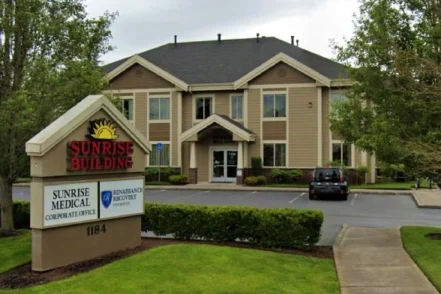
Oregon Recovery Behavioral Health
1184 McGee Court NorthEast Keizer, Oregon 97303
-
 Oregon
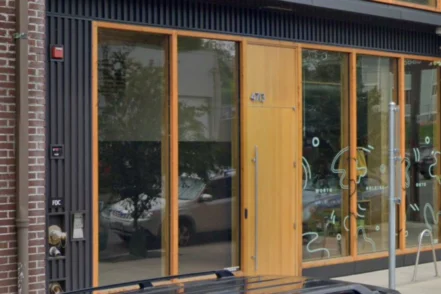
Tree House Recovery Portland
4713 North Albina Avenue, Suite 301 Portland, Oregon 97217
-
 Oregon
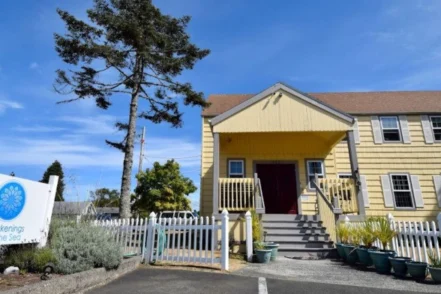
Awakening by the Sea
1325 North Holladay Drive, Seaside, OR 97138
-
 Oregon
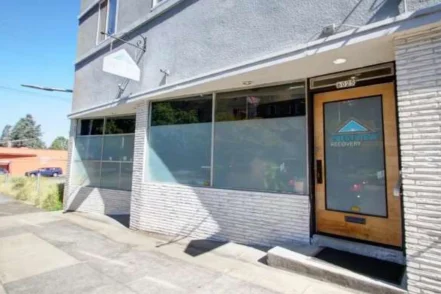
Crestview Recovery
6025 Southeast Belmont Street, Portland, OR 97215
-
 Oregon
Addictions Recovery Center West Main Street
1025 East Main Street Medford, Oregon 97501
-
 Oregon
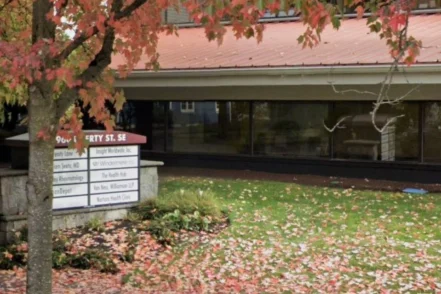
Serenity Lane Salem
960 Liberty Street Se Salem, Oregon 97302
-
 Oregon
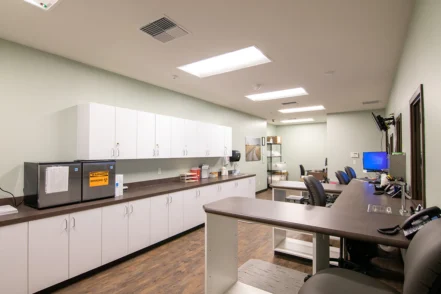
Belmont Comprehensive Treatment Center
2600 Southeast Belmont Street, Portland, OR 97214
-
 Oregon
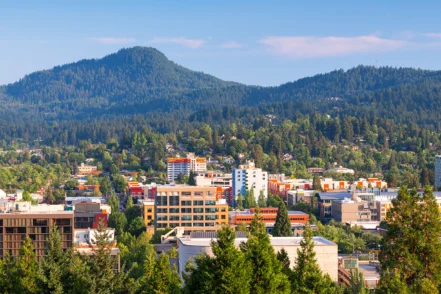
Willamette Family Inc
195 West 12th Avenue Eugene, Oregon 97401
-
 Oregon
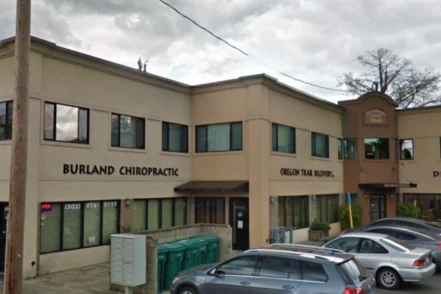
Oregon Trail Recovery
10600 Southeast McLoughlin Boulevard, Milwaukie, OR 97222