
About Compass Health Network
In the peaceful suburban pocket of Wentzville, Missouri is Compass Health Network, formerly known as Crider Health Center. This facility stands out for offering something beyond standard outpatient addiction treatment.
They integrate addiction care, mental health support, and overall wellness under one roof. With its proximity to Quail Ridge Park, local libraries, and community centers, clients at Crider enjoy access to nearby spaces for healthy leisure and recreation.
Seamless Integration With Medical and Psychiatric Care
This facility coordinates addiction care with medical and psychiatric services all within the larger Compass Health Network.
The team tailors each treatment plan to the individual’s specific needs. They may often combine medication-assisted treatment (MAT), counseling, and relapse prevention into a single, personalized care path for each client. Intensive outpatient programs (IOP) provide greater structure for those who want more hands-on support without putting their daily lives on pause.
Inclusive Care for Diverse Communities
Crider serves a wide range of people including adults, adolescents, veterans, LGBTQ+ individuals, and those with co-occurring disorders. They offer specialized support for groups that often get overlooked in many traditional rehabs.
Past clients praise Crider for its effective coordination of mental health and addiction services, while others appreciate the convenient scheduling process. Crider offers a sliding fee scale, accepts Medicaid and Medicare and provides payment assistance for those who are uninsured. Access matters and Crider doesn’t deter anyone based on their financial situation.
Addiction Treatment Programs

Dual Diagnosis
A dual diagnosis, when you have mental health and substance use concerns, can make recovery harder. Be sure to choose a rehab in Missouri that can address both issues. A mental health diagnosis can feed into an addiction, making both worse. In a dual diagnosis program, these concerns are addressed along with typical evidence-based detox, inpatient treatment, and outpatient care.

Young Adult Rehab
Those who join a young adult rehab program in Missouri are given training in key life skills to help them transition to adulthood. Young adults often have questions about starting their careers, having a family, and living independently without overspending. These concerns are addressed along with typical evidence-based detox, inpatient treatment, and outpatient care.

Adult Program
If you’re an adult struggling with substance use, consider an adult program for rehab in Missouri. Adults often have challenges related to their careers, raising a family, and handling responsibilities. These concerns are addressed during evidence-based detox, inpatient treatment, and outpatient care.

Senior Rehab
A senior rehab in Missouri focuses on the physical and mental challenges older individuals face, helping them overcome obstacles to their long-term recovery. Older Americans often deal with chronic pain, loneliness, financial issues, and more. These concerns are addressed along with typical evidence-based detox, inpatient treatment, and outpatient care.

Military Rehab
A military rehab in Missouri can help you achieve long-term recovery by giving you the tools you need to break free from addiction. Service members and veterans have often experienced trauma civilians can’t imagine. These concerns are addressed along with typical evidence-based detox, inpatient treatment, and outpatient care.
Insurance Coverage

Medicaid
If you have Medicaid, you can use it to help pay for substance use treatment in Missouri. You can find treatment centers that accept Medicaid offering multiple levels of care, including detox, inpatient, and outpatient. You may pay little or nothing out-of-pocket.

Private insurance
Every private insurance plan varies, but all long-term plans will pay at least some of the cost of rehab in Missouri. Contact your insurer to find out coverage details and to learn what out-of-pocket costs to expect, such as deductibles and copays.

Self-pay options
One option to pay for rehab in Missouri is self-pay, where you write a check, use a medical loan, or electronically send money to the treatment center. This gives you maximum flexibility in choosing your rehab. Payment details may vary depending on the level of care.

Financial aid
One option for paying for rehab in Missouri, if you’re struggling, is using financial aid programs. Financial aid directly from the treatment center is one option, or you might be able to find grants or scholarships from community groups or local non-profits.

Sliding scale payment assistance
One way to pay for rehab in Missouri is to find programs with a sliding scale payment plan. A sliding scale allows those in need to pay less for treatment based on their income and family size. You may have to provide financial documentation.

Medicare
In Missouri, Medicare is one of your options when it comes to paying for rehab. You’ll want to find a treatment center that accepts your Medicare plan and find out details about coverage and out-of-pocket costs.
Levels of Care
- 1
Outpatient Rehab
There are multiple options for addiction treatment in Missouri. Outpatient treatment allows you to live at home or in sober living while attending several hours of treatment per week. Finishing residential treatment is a big step, and outpatient care allows you to have support while you learn to apply your new skills and habits in real-life situations.
Therapies

Cognitive Behavior Therapy
Cognitive behavioral therapy (CBT) in Missouri helps you address the thinking patterns that are holding you back from a better life. As you learn to identify thought distortions, your confidence in your ability to manage a wide variety of situations will grow. You’ll have the tools you need to address problems and manage triggers in a healthy way.

Dialectical Behavior Therapy
Dialectical behavioral therapy (DBT) in Missouri gives you the confidence to overcome challenges that are holding you back from a better life. As you learn helpful coping strategies, your confidence in your ability to manage a wide variety of situations will grow. You’ll have the tools you need to address problems and manage triggers in a healthy way.

Experiential Therapy
Sometimes trauma and emotions are buried deeply, and experiential therapy in Missouri is a non-traditional therapy that can allow you to work through them. Experiential therapy is a complement to traditional evidence-based treatment approaches and may be a part of inpatient treatment, outpatient care, or both.

Family Therapy
Your family can be an important part of your support network, but you may have to work through conflict and broken relationships first. Family therapy in Missouri gives you that opportunity. Substance use treatment includes detox, inpatient treatment, and outpatient care, and family therapy may be a part of each of these stages. The goal is to help families address past events and broken relationships and develop healthy ways of relating to each other.

Group Therapy
You’re not alone as you work through addiction in Missouri. Group therapy will help you connect with others in similar positions so you can support and encourage each other. Sessions generally last 60 to 90 minutes and give you a chance to discover others’ experiences, hear about the impact of substance use, and learn important new life skills.

Individual Therapy
Talking about what you’ve experienced is an important way to heal, and individual therapy in Missouri gives you that opportunity. During individual therapy, you have the freedom and confidentiality to share personal issues and past experiences that may impact your substance use. Your therapist will help you work through those concerns and develop new ways of handling them.

Trauma Therapy
Trauma-informed therapy in Missouri is led by a professional who facilitates clients sharing about their experiences and emotions. Because trauma can be a significant trigger for substance use, trauma-informed therapy will help you understand what happened to you, realize that it was wrong, and create a healthier way of relating to that memory and the emotions you feel.
Location
Contact Compass Health Network


 Sponsored
Treatmentcentersdirectory.com regularly reviews this listing for accuracy but changes may occur between updates. For the most up-to-date information, please contact Compass Health Network.
Top Drug Rehab Centers in Missouri
-
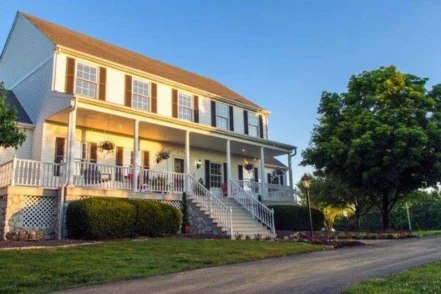 Missouri
Synergy Recovery Center
3955 South Farm Road 223 Rogersville, Missouri 65742
-
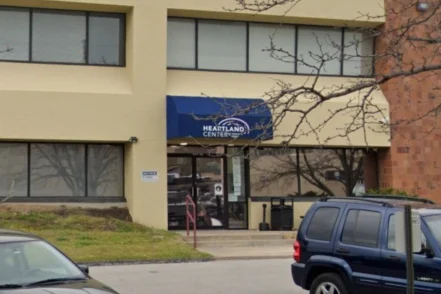 Missouri
Heartland Center for Behavioral Change
1730 Prospect Avenue, Ste 100, Kansas City, MO 64127
-
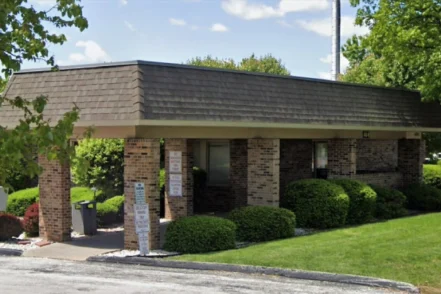 Missouri
BHG Springfield Treatment Center
404 East Battlefield Street Springfield, Missouri 65807
-
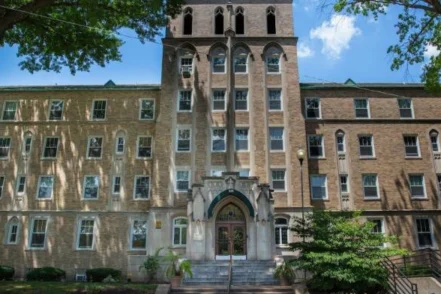 Missouri
Queen of Peace Center
325 North Newstead Avenue, St. Louis, MO 63108
-
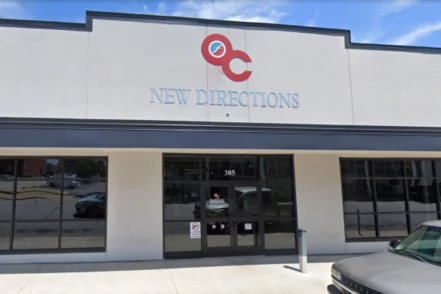 Missouri
Ozark Center New Directions Joplin
305 South Virginia Avenue East, Joplin, MO 64801
-
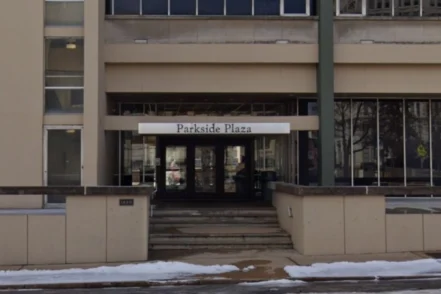 Missouri
Assisted Recovery Centers of America
1430 Olive Street, Suite 100 St Louis, Missouri 63103
-
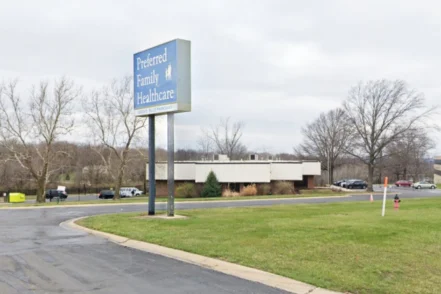 Missouri
Preferred Family Healthcare – Kansas City
8333 East Blue Parkway Drive, Kansas City, MO 64133
-
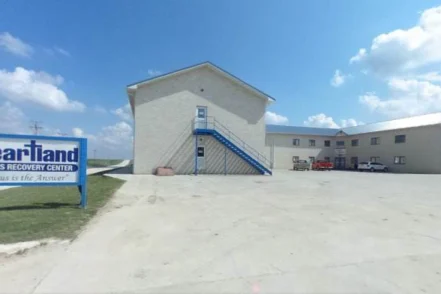 Missouri
Heartland Mens Recovery Program Newark
500 New Creation Road Newark, Missouri 63458
-
 Missouri
Benilde Hall
3220 East 23Rd Street Kansas City, Missouri 64127
-
 Missouri
Mark Twain Behavioral Health Hannibal
154 Forrest Drive Hannibal, Missouri 63401