
About Center for Human Development
Center for Human Development is an outpatient substance use treatment program in Wichita, Kansas, providing counseling-based care for adults and young adults facing addiction and cooccurring mental health conditions.
Located at 2601 East Central Street, Suite 4, the program offers regular and general outpatient services rooted in evidence informed, dual diagnosis care.
Its focus centers on personalized counseling and long term recovery support in a flexible, nonresidential setting.
Substance Use and Mental Health Evaluations
Care often begins with a comprehensive assessment, including substance use and mental health evaluations, to help guide the right course of treatment.
Clients can then engage in regular outpatient treatment and general outpatient rehab, allowing them to maintain daily responsibilities while receiving support.
Treatment includes individual, group, family and marital/couples counseling, along with evidence based approaches like cognitive behavioral therapy, motivational interviewing and relapse prevention.
The program also addresses cooccurring mental health needs, trauma, anger management and aftercare planning for lasting recovery.
Quick Facts About Center for Human Development
- Location: Wichita, Kansas, at 2601 East Central Street, Suite 4
- Levels of care: Regular and general outpatient addiction treatment
- Who they treat: Adult and young adult men and women, including those with cooccurring disorders
- Approach: CBT, motivational interviewing, REBT, trauma counseling and relapse prevention
- Payment options: Medicaid, Medicare, military and private insurance, self pay and sliding fee scale
- Additional services: Discharge planning, aftercare, substance use education and social skills development
Getting Started
Beginning care at Center for Human Development in Wichita typically starts with a comprehensive assessment to identify your needs and match you with the right outpatient services.
The intake team can explain available programs, verify insurance and discuss payment options such as Medicaid, Medicare or sliding scale assistance.
Reach out today to learn more about outpatient treatment options and take the first step toward recovery.
Addiction Treatment Programs

Alcohol Rehab
Alcohol rehab in Kansas provides professional treatment to help clients overcome alcohol misuse and build a substance-free life. High-quality treatment lays a foundation for sobriety and helps prevent relapses by giving you new ways of thinking, better coping skills, and a better understanding of key life skills such as emotional regulation and communication.

Dual Diagnosis
It’s common to have both a mental health disorder and substance use problems. The right rehab in Kansas can treat both issues. A mental health diagnosis can feed into an addiction, making both worse. In a dual diagnosis program, these concerns are addressed along with typical evidence-based detox, inpatient treatment, and outpatient care.

Opioid Addiction
If you’re looking to break free of opioid addiction, a high-quality rehab in Kansas can help. Whether you need detox, inpatient treatment, or outpatient care, an opioid program will help you build a new lifestyle based on healthy coping mechanisms, better relationships, and a new way of thinking about life.

Young Adult Rehab
A young adult rehab in Kansas can provide every level of care while addressing the unique needs of young adults. Young adults often have questions about starting their careers, having a family, and living independently without overspending. These concerns are addressed along with typical evidence-based detox, inpatient treatment, and outpatient care.

Adult Program
An adult program in Kansas helps clients overcome substance use and address issues such as employment and family. Adults often have challenges related to their careers, raising a family, and handling responsibilities. These concerns are addressed during evidence-based detox, inpatient treatment, and outpatient care.

Men's Rehab
Those who join a men’s rehab program in Kansas are given training in key life skills to help them address their unique challenges. Men often have questions about building their careers, being a father, and having healthy communication styles. These concerns are addressed along with typical evidence-based detox, inpatient treatment, and outpatient care.

Women's Rehab
Women need unique support, and a women’s rehab in Kansas can help them manage gender-specific concerns while overcoming addiction. Women often have questions about building their careers, raising children, and building healthy relationships. These concerns are addressed along with typical evidence-based detox, inpatient treatment, and outpatient care.

Relapse Prevention
Relapse prevention programming at Center for Human Development helps clients in Wichita build coping strategies to sustain recovery from alcohol, opioid, and other substance use disorders long term.
Anger Management
Anger management services support clients working through emotional regulation challenges connected to substance use, offered as an ancillary service alongside outpatient counseling in Wichita, Kansas.
HIV Early Intervention
HIV early intervention services are available to clients at Center for Human Development, integrating health education and support into outpatient substance abuse treatment in Sedgwick County.
DUI/DWI Offender Program
A specialized program addresses DUI/DWI offenders, combining substance use counseling with court-related accountability measures for adults referred through the justice system in Wichita, Kansas.
Domestic Violence Services
Domestic violence services are offered alongside substance use treatment at Center for Human Development, supporting clients dealing with related relationship and safety concerns in the Wichita area.
Co-Occurring Disorders Program
Center for Human Development treats clients with co-occurring mental health and substance use disorders, as well as co-occurring pain and substance use issues, within its Wichita outpatient program.
Pregnant & Postpartum Program
Specialized programming is available for pregnant and postpartum women seeking outpatient substance use treatment at Center for Human Development in Wichita, Kansas.
Criminal Justice Client Program
Center for Human Development serves criminal justice-involved clients, providing outpatient substance abuse counseling tailored to individuals referred through legal or court systems in Sedgwick County.
Insurance Coverage

Medicaid
How do you pay for rehab in Kansas? If you qualify, a good option is Medicaid. Programs that accept Medicaid can offer any level of care, including detox, inpatient, and outpatient. Your out-of-pocket costs, if any, are likely to be very low.

Private insurance
How do you pay for rehab in Kansas? If you have private insurance, consider using your coverage to pay for some or all of the costs of treatment. Plans vary, so be sure to contact your insurer for details. You may have out-of-pocket costs such as deductibles and copays.

Self-pay options
Self-pay for addiction treatment in Kansas can give you maximum freedom in choosing your treatment center. You can write a check, use a medical loan, or send money electronically. The fee schedule may differ depending on the level of care.

Financial aid
Paying for rehab in Kansas can be done in multiple ways, including using financial aid programs if you qualify. Finding aid programs takes some research. Look for community groups or nonprofits in your area that may offer assistance, or ask individual treatment centers if they offer scholarships and grants.

Sliding scale payment assistance
Paying for rehab in Kansas can be done in multiple ways, including finding a program with a sliding scale payment plan. You qualify for a lower fee for detox, inpatient treatment, or outpatient care based on your income and family size.

Medicare
When you’re planning to use Medicare to pay for rehab in Kansas, there are a few details to keep in mind. Your coverage can pay some or all of the costs of rehab. Different Medicare plans have different coverage details, and it’s important to choose a center that accepts your plan.

Military insurance
Paying for rehab in Kansas can be done in multiple ways, including using military insurance. Your insurance plan can cover some or all of the cost of treatment. You’ll need to contact your insurer to find out what centers are in-network with your plan and what out-of-pocket costs you may be responsible for.
Levels of Care
- 1
Outpatient Rehab
Center for Human Development offers regular outpatient substance use treatment in Wichita, Kansas, including individual and group counseling for adults and adolescents managing alcohol, opioid, and drug addiction.
- 2
Aftercare Support
Aftercare support helps clients maintain progress after completing outpatient treatment, with relapse prevention services offered through Center for Human Development’s Wichita, Kansas location.
Therapies

Cognitive Behavior Therapy
Cognitive behavioral therapy acknowledges that your thinking impacts your emotions and actions and helps you create healthier thought patterns. As you learn to identify thought distortions, your confidence in your ability to manage a wide variety of situations will grow. You’ll have the tools you need to address problems and manage triggers in a healthy way.

Family Therapy
Talking about what we’re going through is an important way to heal, and family therapy in Kansas gives you that opportunity. You have a safe environment to address challenging relationships, trauma, and other issues. Substance use treatment includes detox, inpatient treatment, and outpatient care, and family therapy may be a part of each of these stages. The goal is to help families address past events and broken relationships and develop healthy ways of relating to each other.

Group Therapy
Talking about what we’re going through is an important way to heal, and group therapy in Kansas gives you that opportunity. Sessions generally last 60 to 90 minutes and give you a chance to discover others’ experiences, hear about the impact of substance use, and learn important new life skills.

Individual Therapy
If you struggle with addiction in Kansas, it’s common to feel like no one understands you. Individual therapy can help you find professional support. During individual therapy, you have the freedom and confidentiality to share personal issues and past experiences that may impact your substance use. Your therapist will help you work through those concerns and develop new ways of handling them.

Rational Behavioral Therapy
Many people benefit from rational behavior therapy in Kansas because they gain tools to challenge irrational beliefs. As you learn to identify wrong beliefs, your confidence in your ability to manage a wide variety of situations will grow. You’ll have the tools you need to address problems and manage triggers in a healthy way.

Trauma Therapy
During trauma-informed therapy in Kansas, clients will receive support that acknowledges what they’ve been through and helps them craft a healthier response. Because trauma can be a significant trigger for substance use, trauma-informed therapy will help you understand what happened to you, realize that it was wrong, and create a healthier way of relating to that memory and the emotions you feel.
Individual Counseling
Center for Human Development provides one-on-one substance abuse counseling for adults and adolescents at its Wichita, Kansas outpatient location, addressing alcoholism, opioid addiction, and co-occurring substance use concerns.
Group Counseling
Group counseling sessions at the Wichita clinic support peer-based recovery discussion for men and women receiving outpatient treatment for drug addiction and alcoholism through Center for Human Development.
Family Counseling
Family counseling is offered to involve loved ones in the recovery process, helping support adult and adolescent clients receiving outpatient substance abuse treatment at this Sedgwick County facility.
Marital/Couples Counseling
Couples counseling is available for partners affected by substance use, supporting relationship repair alongside outpatient addiction treatment services at Center for Human Development in Wichita, Kansas.
Cognitive Behavioral Therapy
Cognitive behavioral therapy is used as a treatment approach to help clients identify and change thought patterns tied to substance use, offered as part of outpatient care in Wichita.
Motivational Interviewing
Motivational interviewing techniques help clients build internal motivation for change during outpatient counseling sessions at Center for Human Development’s Wichita, Kansas treatment location.
Trauma-Related Counseling
Trauma-related counseling addresses underlying trauma that may contribute to substance use, offered alongside standard outpatient services for adults and adolescents at this Wichita facility.
Case Management
Case management services help coordinate care and connect clients to additional resources while receiving outpatient substance abuse treatment through Center for Human Development in Sedgwick County, Kansas.
Accreditations


Location
Contact Center for Human Development

 Sponsored
Treatmentcentersdirectory.com regularly reviews this listing for accuracy but changes may occur between updates. For the most up-to-date information, please contact Center for Human Development.
Top Drug Rehab Centers in Kansas
-
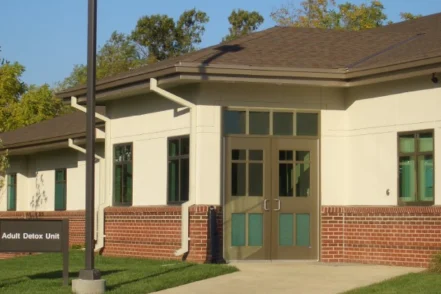 Kansas
Johnson County Mental Health Center Adult Detoxification Unit
11120 West 65th Street, Shawnee, KS 66203
-
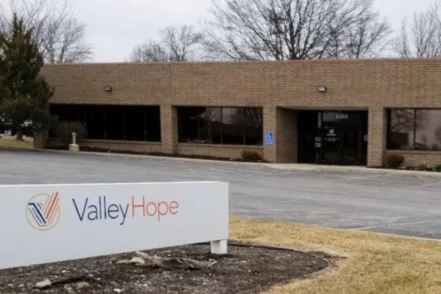 Kansas
Valley Hope of Overland Park Intensive Outpatient Continuing Care
10955 Granada Lane, Overland Park, KS 66211
-
 Kansas
Valley Hope of Atchison
1816 North 2nd Street Atchison, Kansas 66002
-
 Kansas
New Chance Inc
2500 East Wyatt Earp Boulevard, Dodge City, KS 67801
-
 Kansas
Mirror Kansas City
6723 State Avenue Kansas City, Kansas 66102
-
 Kansas
Atishwin Institute
937 South Bluffview Street Wichita, Kansas 67218
-
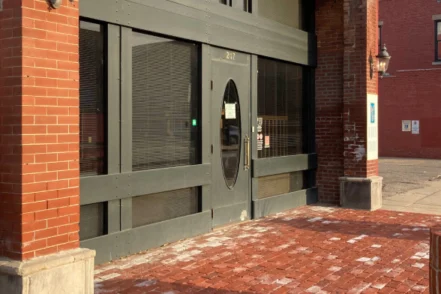 Kansas
Higher Ground
247 North Market Street, Wichita, KS 67202
-
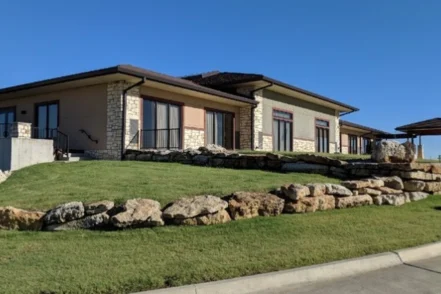 Kansas
Bel Aire Recovery Center
4969 Tierra Lakes Parkway, Bel Aire, KS 67226
-
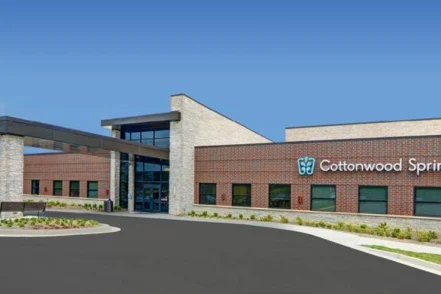 Kansas
Cottonwood Springs
13351 South Arapaho Drive, Olathe, KS 66062
-
 Kansas
Full Circle Education and Counseling
11605 South Burch Street Olathe, Kansas 66061