
About North Iowa Transition Center RCF Program
North Iowa Transition Center, now a part of the nonprofit 43 North Iowa is a residential mental health support program in Mason City, Iowa that serves people with serious mental illness.
They work with young adults, adults and seniors transitioning from inpatient psychiatric care including people with co-occurring mental health and substance use needs.
NITC’s mission centers on helping individuals move from higher acuity care toward confident and independent community living.
Transitional Residential Mental Health Support
NITC offers a home like habilitation program for up to 15 adults, featuring furnished private rooms and 24/7 staff support.
The program is designed for those stepping down from inpatient care, with short term respite services also reported for stays of 72 hours or less.
Care emphasizes illness management and recovery, psychosocial rehab and life skills development.
Treatment approaches include cognitive behavioral therapy, group therapy and activity therapy, symptom management and psychotropic medication.
The focus stays on building self sufficiency and easing the path back to independent living.
Supported Community Living
NITC provides supported community living for people living independently in apartments or homes.
Services include home visits, affordable housing access support, peer outings and community activities.
The program connects residents to broader support around home, employment and community engagement.
Location and Payment Options
NITC provides in person residential and community based services from its location at 408 1st Street NW in Mason City, near the downtown area.
Accepted payment options include Medicaid and private insurance, state and county funding, the Iowa Plan for Behavioral Services and self pay.
Addiction Treatment Programs

Dual Diagnosis
Iowa dual diagnosis treatment is an integrated approach that addresses both your mental health and substance use. In dual diagnosis programs, the activities, peer support, and counseling are tailored to the unique needs of those with mental health concerns. This may include additional therapy, medication, or peer support.

Adult Program
Choosing an adult program in Iowa can be a great way to address important life issues while also getting addiction treatment. In an adult program, the activities, peer support, and counseling are tailored to the unique needs of this age group. This may include talking about how to build a career, raise a family, and handle the many responsibilities of independent living.

Senior Rehab
A senior rehab in Iowa can address issues unique to your situation, allowing you to create a better life for yourself. In the senior program, the activities, peer support, and counseling are tailored to the unique needs of older clients. This may include pain management education, lower-impact exercise, and outings that are accessible to those with mobility challenges.

Women's Rehab
Women’s rehab programs in Iowa can help women make healthier life choices and avoid common mistakes. In a women’s program, the activities, peer support, and counseling are tailored to the unique needs women have. This may include talking about building a career, motherhood, relationship safety, and more.

Young Adult Rehab
A young adult rehab in Iowa addresses the unique needs of young people transitioning to adulthood. In a young adult program, the activities, peer support, and counseling are tailored to the unique needs of this age group. This may include talking about how to start a career, have a family, and live independently.
Insurance Coverage

Medicaid
Paying for rehab in Iowa can be done in multiple ways, including using Medicaid if you qualify. This can be helpful for those struggling to pay for treatment. Look for centers that accept Medicaid and offer the levels of care you need, such as detox, inpatient, and outpatient treatment.

Private insurance
In Iowa, using private insurance is a good way to pay for rehab. Insurance plans vary, so it’s important to contact the insurer for details. The best way to keep costs down is to choose a treatment center in your plan’s network.

Self-pay options
Self-pay for rehab in Iowa means using your own money or a bank loan to pay for treatment. You can send money to a center electronically, write a check, or take out a medical loan.

Financial aid
Those wondering how to pay for rehab in Iowa may benefit from looking for financial aid programs. Financial aid directly from the treatment center is one option, or you might be able to find grants or scholarships from community groups or local non-profits.
Levels of Care
- 1
Inpatient Rehab
Inpatient treatment in Iowa gives you the best opportunity to spend focused time creating the new habits you need to break free from substance use. Inpatient care doesn’t just involve therapy, you also enjoy activities and outings, and many programs have holistic treatment like yoga, mindfulness, and more.
- 2
Sober Living Homes
Sober living in Iowa gives you a safe place to live where you can connect with others in recovery and practice your new habits in daily life. Sober living is only one part of long-term recovery. You may also want to connect with ongoing counseling, 12-step or other support groups, education and employment support, and community resources.
Therapies

Experiential Therapy
Many people benefit from experiential therapy in Iowa because they are able to express their emotions and work through trauma in non-traditional ways. Substance use treatment includes detox, inpatient treatment, and outpatient care, and experiential therapy may be a part of each of these stages. The goal is to help clients work through their emotions using healthy strategies instead of substance use.

Group Therapy
One way to share your feelings and get feedback during rehab in Iowa is during group therapy. Group therapy is only one of the elements of treatment, along with activities, peer support, individual counseling, relapse prevention, and more. Together, all these methods support you in establishing long-term recovery.

Individual Therapy
It’s easy to feel isolated when you battle substance use, but individual therapy in Iowa can give you a professional ally in overcoming the roots of addiction. Substance use treatment includes detox, inpatient treatment, and outpatient care, and individual therapy may be a part of each of these stages. The goal is to help clients address the roots of addiction, develop motivation to change, and create new habits for a substance-free life.
Location
Contact North Iowa Transition Center RCF Program

 Sponsored
Treatmentcentersdirectory.com regularly reviews this listing for accuracy but changes may occur between updates. For the most up-to-date information, please contact North Iowa Transition Center RCF Program.
Top Drug Rehab Centers in Iowa
-
 Iowa
Alcohol and Drug Dependency Services ADDS Burlington
1340 Mount Pleasant Street Burlington, Iowa 52601
-
 Iowa
Prelude Behavioral Services Synchrony
438 Southgate Avenue Iowa City, Iowa 52240
-
 Iowa
The Abbey Center
1401 Central Avenue Bettendorf, Iowa 52722
-
 Iowa
Center for Alcohol and Drug Services CADS Fairmount
1523 South Fairmount Street Davenport, Iowa 52802
-
 Iowa
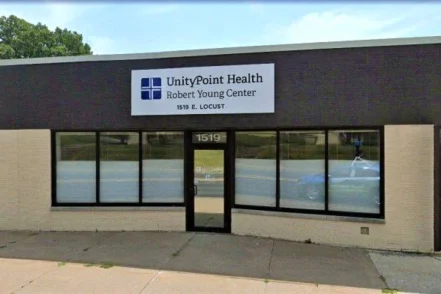
CADS Center for Alcohol and Drug Services Locust
1519 East Locust Street Davenport, Iowa 52803
-
 Iowa
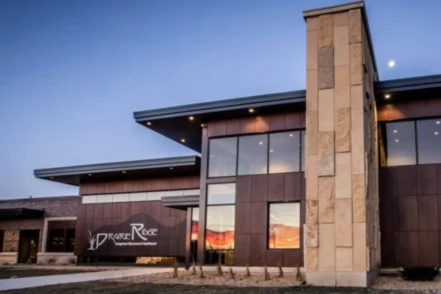
Prairie Ridge Integrated Behavioral Healthcare
320 North Eisenhower Avenue, Mason City, IA 50401
-
 Iowa
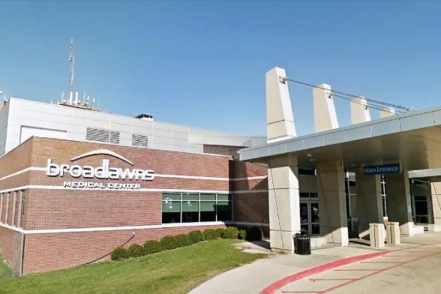
Broadlawns Medical Center
1801 Hickman Road, Des Moines, IA 50314
-
 Iowa
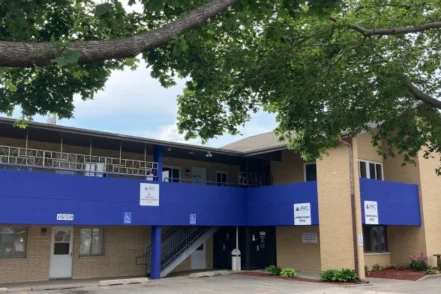
ASAC Area Substance Abuse Council Main Campus
3601 16Th Avenue Sw Cedar Rapids, Iowa 52404
-
 Iowa
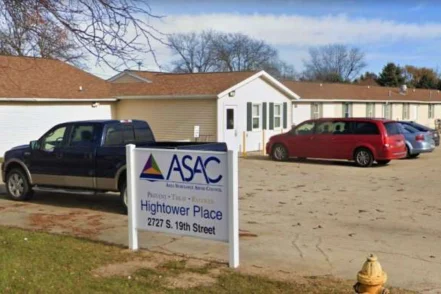
ASAC – Area Substance Abuse Council – Hightower Place
2727 South 19th Street, Clinton, IA 52732
-
 Iowa
ASAC Area Substance Abuse Council ND Housing
2733 South 19th Street Clinton, Iowa 52732