
About YWCA of Fort Dodge Center for Life Empowerment
YWCA of Fort Dodge Center for Life Empowerment is a state-licensed substance use disorder treatment facility in Fort Dodge, Iowa, specializing in residential and outpatient recovery care for women and mothers with children.
The program treats addiction and co-occurring mental health concerns using individual and group counseling, cognitive behavioral therapy, motivational interviewing and life-skills training.
Rooted in empowerment, the YWCA offers a compassionate path that helps women rebuild their lives, reunite with their families and reclaim long-term recovery.
Women-Centered Residential Recovery in Fort Dodge
The Center’s core specialty is clinically managed residential treatment for women, including mothers who can bring children age 12 and younger into care.
The 90-day continuum begins with 25 to 38 days of residential treatment before transitioning into a structured halfway house phase.
Sessions blend individual and group counseling with CBT, motivational interviewing, parenting support, relapse prevention and substance use education.
Reviewers frequently describe feeling welcomed, supported and genuinely helped throughout their stay.
Family Reunification and Life Empowerment
Beyond clinical care, the program emphasizes practical recovery support including job-skill development, vocational and educational enrichment, mental health community support and family reunification.
Trauma therapy, family therapy, 12-step meetings and medication assisted treatment support are also part of the holistic approach to lasting wellness.
Nonprofit with Finanical Aid Available
Services are delivered in person in Fort Dodge, with a continuum spanning residential, halfway house, intensive outpatient and aftercare services for clients across Iowa.
This nonprofit accepts Medicaid, private insurance and self-pay, with financial aid available to qualifying clients.
Addiction Treatment Programs

Alcohol Rehab
f your life has been negatively impacted by alcohol use disorder, an alcohol rehab in Iowa can help. In an alcohol program, you’ll not only receive treatment, but you’ll participate in activities, receive peer support, and learn how to have fun without alcohol.

Dual Diagnosis
Iowa dual diagnosis treatment is an integrated approach that addresses both your mental health and substance use. In dual diagnosis programs, the activities, peer support, and counseling are tailored to the unique needs of those with mental health concerns. This may include additional therapy, medication, or peer support.

Opioid Addiction
The best way to achieve recovery from opioid addiction is by completing a high-quality rehab in Iowa and applying the tools you learn to stay in sobriety. Common services include counseling and classes on coping skills, emotional management, communication, and other key life skills. Opioid rehab programs can provide inpatient or outpatient treatment.

Adult Program
Choosing an adult program in Iowa can be a great way to address important life issues while also getting addiction treatment. In an adult program, the activities, peer support, and counseling are tailored to the unique needs of this age group. This may include talking about how to build a career, raise a family, and handle the many responsibilities of independent living.

Senior Rehab
A senior rehab in Iowa can address issues unique to your situation, allowing you to create a better life for yourself. In the senior program, the activities, peer support, and counseling are tailored to the unique needs of older clients. This may include pain management education, lower-impact exercise, and outings that are accessible to those with mobility challenges.

LGBTQ Friendly Rehab
An LGBTQ+ friendly rehab in Iowa can address issues unique to the community, allowing you to create a better life for yourself. These treatment programs offer detox, inpatient treatment, and outpatient care tailored to the unique needs and challenges of the LGBTQ+ community.

Men's Rehab
Choosing a men’s rehab in Iowa helps give the support you need in overcoming addiction and learning to handle gender-specific challenges. In a men’s program, the activities, peer support, and counseling are tailored to the unique needs of men. This may include talking about career development, fatherhood, communication strategies, and more.

Women's Rehab
Women’s rehab programs in Iowa can help women make healthier life choices and avoid common mistakes. In a women’s program, the activities, peer support, and counseling are tailored to the unique needs women have. This may include talking about building a career, motherhood, relationship safety, and more.

Young Adult Rehab
A young adult rehab in Iowa addresses the unique needs of young people transitioning to adulthood. In a young adult program, the activities, peer support, and counseling are tailored to the unique needs of this age group. This may include talking about how to start a career, have a family, and live independently.
Levels of Care
- 1
Inpatient Rehab
Inpatient treatment in Iowa gives you the best opportunity to spend focused time creating the new habits you need to break free from substance use. Inpatient care doesn’t just involve therapy, you also enjoy activities and outings, and many programs have holistic treatment like yoga, mindfulness, and more.
- 2
Outpatient Rehab
For those who are more medically stable or have finished an inpatient program, outpatient treatment in Iowa can be a useful form of rehab. During outpatient treatment, clients have independence outside of sessions, allowing them to work, attend school, and practice their new habits in real-world situations.
- 3
Aftercare Support
A key component of preventing relapse after treatment in Iowa is to have ongoing care, also known as aftercare. A strong aftercare program can include ongoing counseling, education and employment support, housing services, and connections to community resources.
- 4
Sober Living Homes
Sober living in Iowa gives you a safe place to live where you can connect with others in recovery and practice your new habits in daily life. Sober living is only one part of long-term recovery. You may also want to connect with ongoing counseling, 12-step or other support groups, education and employment support, and community resources.
- 5
Partial Hospitalization Program
In Iowa, partial hospitalization programs (PHPs) allow you to live independently while getting the intensive care you need to establish long-term recovery. PHPs include multiple approaches, including cognitive behavioral therapy (CBT), motivational interviewing (MI), and holistic therapy options.
Therapies

Cognitive Behavior Therapy
When you’re struggling with addiction in Iowa, your actions and thoughts may not be rational. Cognitive behavioral therapy (CBT) can help you challenge your thoughts and adjust your actions accordingly. CBT can help you identify and challenge maladaptive thoughts, calm your mind, and face your fears rationally.

Family Therapy
One way to address the family conflict and challenging relationships that may impact your substance use is during family therapy in Iowa. Family therapy is a common part of both inpatient and outpatient substance use treatment and may be used to help address trauma, build better relationships, and help loved ones become part of your support network.

Group Therapy
One way to share your feelings and get feedback during rehab in Iowa is during group therapy. Group therapy is only one of the elements of treatment, along with activities, peer support, individual counseling, relapse prevention, and more. Together, all these methods support you in establishing long-term recovery.

Individual Therapy
It’s easy to feel isolated when you battle substance use, but individual therapy in Iowa can give you a professional ally in overcoming the roots of addiction. Substance use treatment includes detox, inpatient treatment, and outpatient care, and individual therapy may be a part of each of these stages. The goal is to help clients address the roots of addiction, develop motivation to change, and create new habits for a substance-free life.

Trauma Therapy
Sometimes addiction is a way to self-medicate and avoid how you feel about past traumatic events. Trauma-informed therapy can help you address these feelings and build a better life. Substance use and trauma are interrelated, and trauma-informed therapy involves working with the therapist and your support network to create healthy coping skills, become empowered, and improve resilience.
Accreditations

Location
Contact YWCA of Fort Dodge Center for Life Empowerment

 Sponsored
Treatmentcentersdirectory.com regularly reviews this listing for accuracy but changes may occur between updates. For the most up-to-date information, please contact YWCA of Fort Dodge Center for Life Empowerment.
Top Drug Rehab Centers in Iowa
-
 Iowa
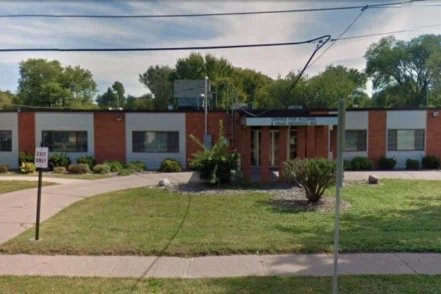
IowaCenter for Alcohol and Drug Services CADS Fairmount
1523 South Fairmount Street Davenport, Iowa 52802
-
 Iowa
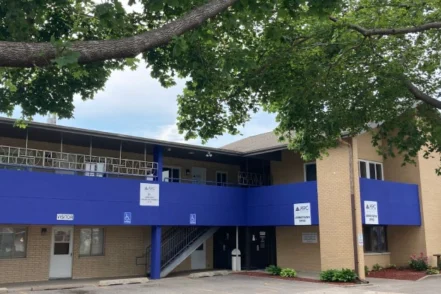
IowaASAC Area Substance Abuse Council Main Campus
3601 16Th Avenue Sw Cedar Rapids, Iowa 52404
-
 Iowa
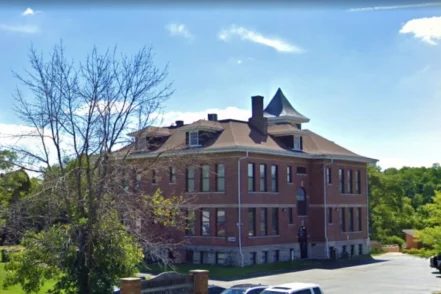
IowaAlcohol and Drug Dependency Services ADDS Burlington
1340 Mount Pleasant Street Burlington, Iowa 52601
-
 Iowa
IowaThe Abbey Center
1401 Central Avenue Bettendorf, Iowa 52722
-
 Iowa
IowaASAC Area Substance Abuse Council ND Housing
2733 South 19th Street Clinton, Iowa 52732
-
 Iowa
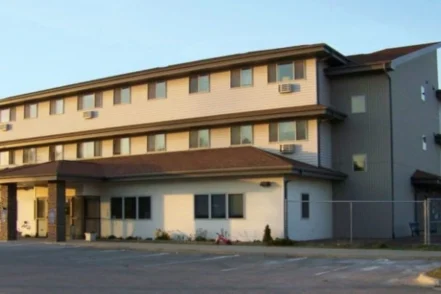
IowaPrelude Behavioral Services Synchrony
438 Southgate Avenue Iowa City, Iowa 52240
-
 Iowa
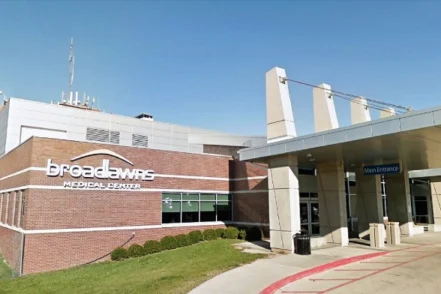
IowaBroadlawns Medical Center
1801 Hickman Road, Des Moines, IA 50314
-
 Iowa
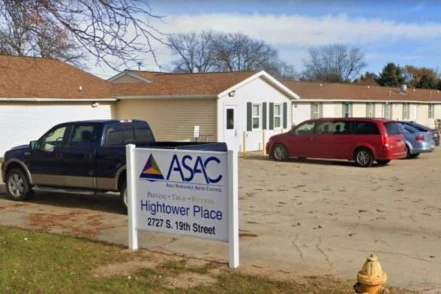
IowaASAC – Area Substance Abuse Council – Hightower Place
2727 South 19th Street, Clinton, IA 52732
-
 Iowa
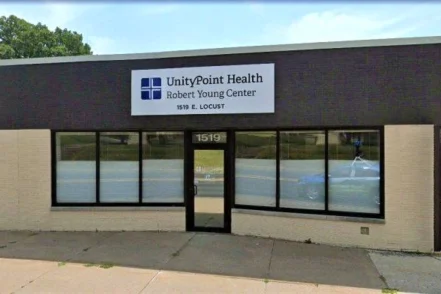
IowaCADS Center for Alcohol and Drug Services Locust
1519 East Locust Street Davenport, Iowa 52803
-
 Iowa
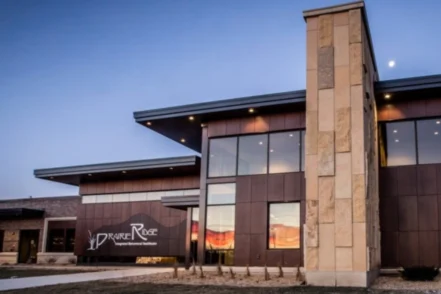
IowaPrairie Ridge Integrated Behavioral Healthcare
320 North Eisenhower Avenue, Mason City, IA 50401