Tucson, AZ Drug & Alcohol Treatment Centers
14 results nearby
Looking for help with addiction in Tucson, AZ?

Insurance
Treatment Programs
Looking for help with addiction in Tucson, AZ?
29858 North Tatum Boulevard Cave Creek, Arizona 85331
860 North Center Street Mesa, Arizona 85201
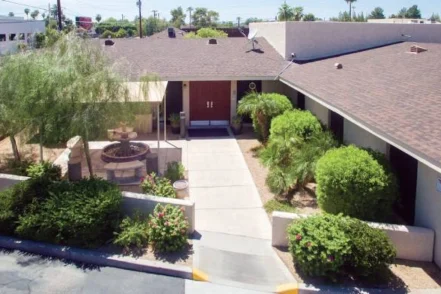
720 East Montebello Avenue Phoenix, Arizona 85014
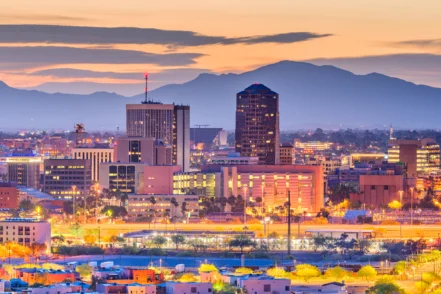
700 N. 7Th Ave. Tucson, Arizona 85705
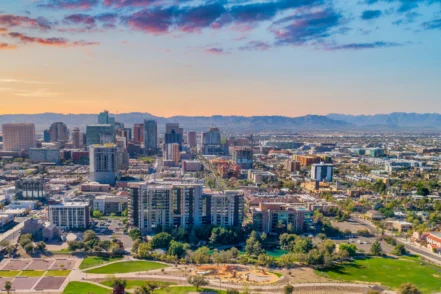
651 West Coolidge Street Phoenix, Arizona 85013
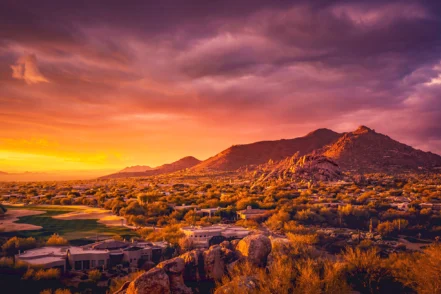
6613 N Scottsdale Rd, Suite 200 Scottsdale, Arizona 85250
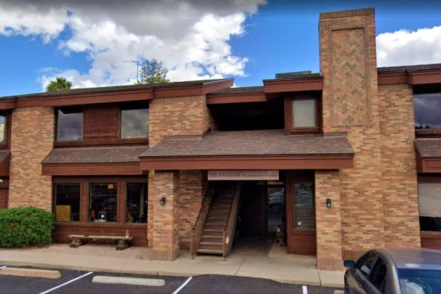
1424 South Stapley Drive Mesa, Arizona 85204
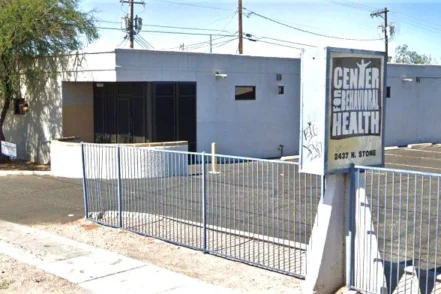
6050 North Corona Road, Tucson, AZ 85704
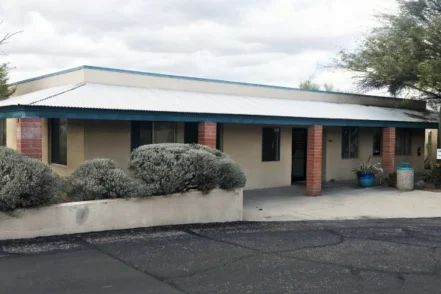
4110 West Sweetwater Drive, Building 1400 Tucson, Arizona 85745
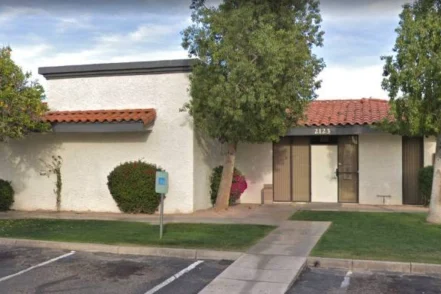
2123 East Southern Avenue Tempe, Arizona 85282
Tucson is the treatment hub for the southern half of Arizona, and nearly all of the region’s capacity sits inside the city. Our directory lists 47 treatment centers in Tucson, from inpatient and residential care through outpatient counseling and licensed sober living.
The nearby results are different than in the metro area. In most cities, the search radius picks up suburbs. Around Tucson it reaches small towns spread across a wide stretch of desert: Oracle north up State Route 77 toward the Santa Catalinas, Benson east on Interstate 10, Sierra Vista southeast toward the Huachucas, and Casa Grande northwest on I-10 most of the way to Phoenix.
Several of these programs are the only option in their county, but they are a drive rather than a neighbor. Practically, the city is where your options are, and the outlying listings matter mainly if you already live closer to one of them. Sahuarita and Green Valley sit south along Interstate 19, Marana and Oro Valley north along Oracle Road, and residents of all four generally come into the city for care.
Arizona has no county approval step, so you can contact a licensed program directly. If you are using AHCCCS, the state’s Medicaid program, behavioral health is coordinated by Arizona Complete Health as the regional contractor for southern Arizona. For a crisis at any hour, the statewide line is 1-844-534-HOPE (4673), and 988 routes to the same place, open to any Arizona resident whatever their insurance situation.
In Arizona, you must verify more than almost any other state, and it is worth doing. Sober living homes here need a state license from the Arizona Department of Health Services rather than a voluntary certification, and the state’s AZ Care Check database shows a named home’s licensing history along with any deficiencies or enforcement actions on record.
Look up any sober living home before you pay a deposit. One distinction is that a behavioral health residential facility is a different and higher level of care under a separate license, but advertising often blurs the two.
Tucson has the full range of care available, so you rarely have to leave the city to move between levels of care. The tradeoff is there is no second cluster next door if a program is full, and the nearest real alternatives are an hour or more out. Attending a program several days or evenings a week is workable from inside the city grid; from Green Valley or Marana it is a significant commute.
Tucson International Airport (TUS) is located south of downtown and is reached from Interstate 10 by way of Valencia Road and South Tucson Boulevard. The drive into the center of town runs 15 to 20 minutes. Phoenix Sky Harbor is roughly 100 miles north, about an hour and three-quarters by road.
Many residential programs arrange pickup from the nearby airport, so ask admissions before you book. Interstate 10 runs northwest to southeast through the city and is the road to Benson, Casa Grande, and Phoenix. Interstate 19 runs south through Sahuarita and Green Valley to Nogales at the Mexican border.
State Route 77, which becomes Oracle Road inside the city, is the northern route toward Oro Valley. Sun Tran runs the buses, roughly 40 routes, and Sun Link is the streetcar: a 3.9-mile line with 23 stops linking the Mercado San Agustín district, downtown, Fourth Avenue, Main Gate Square, and the University of Arizona, about 30 minutes end to end.
That corridor is the city’s only frequent-transit spine, so an outpatient program near downtown or the university is reachable without a car and most others are not. Sun Tran routes 11 and 25 serve the airport. For addresses outside fixed-route coverage, Sun On Demand runs curb-to-curb trips inside defined zones, bookable up to a week ahead, and it is the option most people do not know exists.
The seasonal calendar here runs opposite to most of the country. National Weather Service normals put the July high at 100 degrees and the June high at 101, and Tucson now averages 68 days a year at 100 or above, up from 44 under the 1961 to 1990 normals.
Outdoor programming comes off the schedule in June and July the way it comes off in January elsewhere. Winter is the easy season, with January highs around 66 and roughly a dozen freezing nights in a whole year. Pack sun protection and layers for cold desert nights rather than a winter coat.
Rain is scarce and concentrated. The city averages about 10.6 inches a year, more than four of them in July and August during the monsoon, in afternoon storms that can fill a dry wash in minutes.
Saguaro National Park flanks the city on both sides, the Rincon Mountain district about 20 miles east and the Tucson Mountain district about 15 miles west, with more than 170 miles of trail between them, and Tucson Mountain Park sits closer in. Those are where the morning walking groups go.
Recovery here keeps desert hours. Social life runs outdoors from October through April, then moves to early mornings and indoors in high summer, and it organizes itself around trails. Tucson is a university city with a substantial military and veteran population, so the age range in local recovery is wide.
The case for staying local is that the whole continuum is here, from residential treatment through outpatient and licensed sober living, and Arizona’s rules let you check the housing end by name. The case against is distance: if a specialty is not in Tucson, the next real option is Phoenix. Ask how a program handles the step down before you commit.
Expect limited contact at the start. Most residential programs restrict calls and visits during the first stretch, then open scheduled visiting hours or family days. Ask admissions for the family policy and any family program dates before you book flights.
For lodging, ask admissions for the program’s cross streets first, since the city is spread out and the right base changes with the address. Downtown and the university corridor are central and sit on the streetcar line, the Catalina foothills suit programs on the north side, and the airport area works for a short trip.
If you are visiting between May and September, plan around the heat rather than through it: mornings outdoors, afternoons inside. Saguaro’s two districts are the obvious places to spend time between visits, and downtown and Fourth Avenue are walkable from the streetcar. If the program offers a family session while you are in town, take it.
Browse the Tucson listings above to compare programs, or see what the rest of the state holds in Arizona.
Common questions about arriving, getting around, and what to expect from treatment in Tucson. If a question is not covered here, a program’s admissions team can answer it directly.
Call a licensed program and ask for an assessment. Arizona does not require county or authority approval first. If you are on AHCCCS, Arizona Complete Health coordinates behavioral health for Pima County. For an immediate need at any hour, the statewide crisis line is 1-844-534-HOPE, and it serves anyone in Arizona regardless of coverage.
Yes, and it is a mandatory license rather than a voluntary certification. The Arizona Department of Health Services licenses sober living homes, and you can look up a specific home in AZ Care Check to see its licensing history and any deficiencies or enforcement actions on record. Do that before money changes hands.
It depends on the season more than in most cities. June and July normally run above 100 degrees, and Tucson averages 68 such days a year, so outdoor programming largely stops. October through April is mild, with January highs near 66. Bring sun protection year round and layers for the nights.
It depends where the program is. The Sun Link streetcar covers a 3.9-mile corridor from the Mercado district through downtown and Fourth Avenue to the University of Arizona, and buses cover the rest of the city at lower frequency. If you will not have a vehicle, prioritize a program near that corridor, or ask whether your address falls inside a Sun On Demand zone.
Inside the city itself. Southern Arizona’s capacity is concentrated in Tucson rather than spread across a ring of suburbs, and the outlying listings you see are in towns like Benson, Sierra Vista, and Casa Grande that sit 30 to 70 miles out. Treat those as a separate decision rather than a nearby alternative.
Many people do, and the deciding factor is usually commute rather than schedule. From inside the city, an outpatient program several evenings a week is manageable. From Green Valley, Marana, or the outer edges of Pima County, add real drive time each way and check whether the program runs evening hours.