Scottsdale, AZ Drug & Alcohol Treatment Centers
14 results nearby
Looking for help with addiction in Scottsdale, AZ?

Insurance
Treatment Programs
Looking for help with addiction in Scottsdale, AZ?
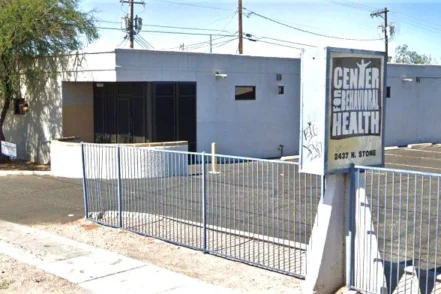
2437 North Stone Avenue Tucson, Arizona 85705
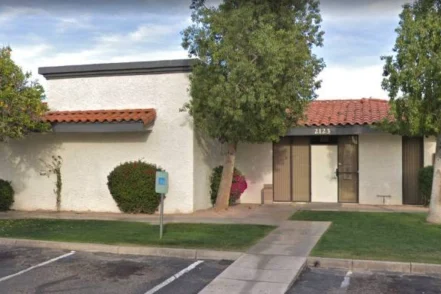
2123 East Southern Avenue Tempe, Arizona 85282
6613 N Scottsdale Rd, Suite 200 Scottsdale, Arizona 85250
4110 West Sweetwater Drive, Building 1400 Tucson, Arizona 85745
720 East Montebello Avenue Phoenix, Arizona 85014
700 N. 7Th Ave. Tucson, Arizona 85705
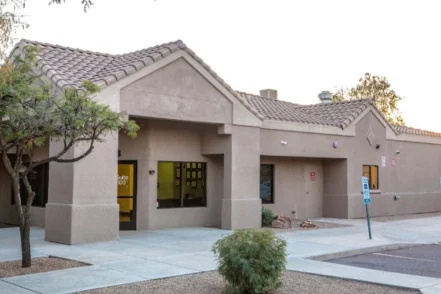
29858 North Tatum Boulevard Cave Creek, Arizona 85331
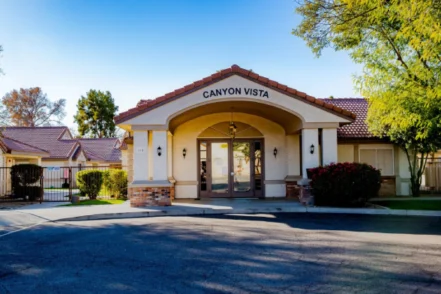
860 North Center Street Mesa, Arizona 85201
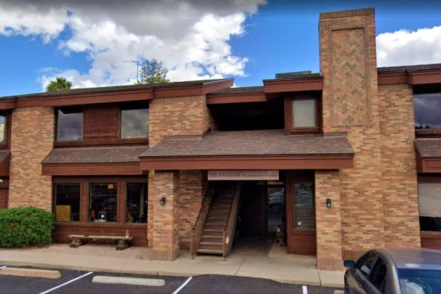
1424 South Stapley Drive Mesa, Arizona 85204
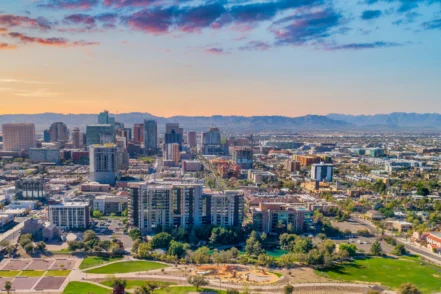
651 West Coolidge Street Phoenix, Arizona 85013
Scottsdale has 19 treatment centers in our directory, a smaller in-city count than Phoenix or Mesa. However, within the surrounding are, the map of locations fills out quickly. There are 41 listings that sit within the surrounding radius.
What sets Scottsdale apart isn’t volume. The city carries a disproportionate share of private residential and executive-track programs, which is why people travel distances specifically for this setting rather than simply because a search turned up a nearby result.
The city’s program is geographically split by area. Old Town Scottsdale, the walkable district at the city’s southern edge, is where most of the outpatient and office-based programs are located. Old Town is tucked among restaurants and galleries instead of a strip mall.
North Scottsdale, bordering the open desert, is where the private residential and estate-style programs are concentrated. This area offers more privacy and acreage rather than proximity to anything. Just north of the city, the smaller community of Cave Creek extends that quieter character further.
Fifteen miles west, Phoenix has the county’s broadest continuum of care, and Tempe and Mesa add East Valley volume a bit further south. Loop 101 and Loop 202 tie all of this together, and a program that shows up on a Scottsdale search from Phoenix or Tempe is usually a twenty-minute drive away at most.
Scottsdale’s supply of treatment centers is thinner than its neighbors’. The map leans on that wider radius more than most cities in the county, and it’s worth treating nearby Phoenix listings as part of the same search rather than a separate option.
There is no single entry into care in Arizona. Behavioral health access is administered through AHCCCS-contracted regional authorities. Mercy Care has that role for Maricopa County, including Scottsdale, covering crisis response and services for people the state has designated as living with a serious mental illness.
Call or text 988 anytime, or reach Mercy Care’s crisis specialists directly at 1-844-534-HOPE; neither line asks about insurance before connecting you. The state has no treatment-search tool of its own, so FindTreatment.gov and a health plan’s provider directory offer a place to start looking.
Scottsdale offers more private residential care options, which is part of what gives the city its reputation as a destination rather than a local option. Medical detox and broader public-funded capacity are thinner here than in Phoenix, which is where most people go first for that specific level of care before stepping into a Scottsdale residential program.
If a sober living option is necessary during that transition, ask what state license it has and whether it holds certification through Arizona’s NARR-affiliated association. Because Scottsdale has no light rail stop of its own, plan to use a car for outpatient care regardless of where in the city the program is located.
Phoenix Sky Harbor International Airport is the airport for Scottsdale, generally a 20 to 30 minute drive depending on which part of the city you’re headed to. A good share of Scottsdale’s residential programs will send a car for arriving clients; it’s worth asking about this before you lock in a flight time.
Loop 101 runs along Scottsdale’s western edge and is the fastest way to Phoenix, Glendale, or the airport, while Loop 202 connects the southern part of the city to Tempe and Mesa. Scottsdale has no interstate running directly through it, which is part of why the city feels calmer and slower-paced than Phoenix or Tempe just a few miles away.
There’s no light rail stop in Scottsdale. The nearest is a short drive away in Tempe or Phoenix. A free trolley covers Old Town itself, but it won’t get you to a program outside that district, so outpatient treatment here generally means using a car for transportation.
Scottsdale weather is hot the same months as the rest of the Valley, peaking above 110 degrees in the deep summer stretch, with monsoon storms passing through from July into September.
What catches first-time visitors off guard here is the swing in temperatures between day and night. A 100-degree afternoon can drop 20 to 30 degrees by evening, especially in the foothill areas where many residential programs are located. Pack for both extremes rather than one, and expect outdoor programming to move to the cooler hours once summer sets in.
The McDowell Sonoran Preserve, at roughly 30,500 acres, is the largest piece of protected desert of its kind in the country and sits along Scottsdale’s northern and eastern edge. Its scale is part of the privacy that draws residential programs to this side of the Valley in the first place, and the trails near its main trailheads stay gentle enough for a slow morning walk rather than a full workout.
Scottsdale’s recovery community is smaller and quieter than Phoenix’s, built more around wellness routines than a dense sober living network. Fitness and golf are popular here, and Old Town’s gallery walks give people something to do on a weekend evening that doesn’t involve a bar.
Most people come to Scottsdale for the residential stay itself rather than to settle here afterward. Once treatment ends, many step down into outpatient care or sober living somewhere with a bigger everyday recovery network, often Phoenix or the East Valley, and treat their time in Scottsdale as the setting for the hardest part of the work rather than the place they’ll rebuild a life.
Expect an early period with limited contact, followed by scheduled visits or a family weekend once you have progressed in the program. Ask admissions for the specific policy and any set dates before booking travel. Old Town Scottsdale is a practical place to stay. The area is walkable, close to most of the city’s outpatient programs, and near enough to North Scottsdale that a rental car easily covers the rest of the distance.
Between visits, the McDowell Sonoran Preserve’s easier trails and a slow walk through the Old Town galleries both give visiting family something to do that isn’t just waiting for the next scheduled hour. Ask whether the program offers a family therapy session or education evening, since that tends to be the most useful hour a visiting family member can spend.
Browse the Scottsdale listings above, or see the full range of programs across Arizona.
Let’s answer common questions about arriving, getting around, and what to expect from treatment in Scottsdale. If a question is not covered here, a program’s admissions team can answer it directly.
Reach out to a program’s admissions line and ask them to walk you through an assessment; there’s no county-level approval step to clear first in Arizona. In an active crisis, Mercy Care’s team is on call at 988 or the state’s own number, 1-844-534-HOPE.
The city’s concentration of private, residential programs set in the open desert is the draw, along with the privacy that a lower-density area like North Scottsdale offers compared with a busier city. It’s a smaller, more specialized slice of the county’s overall treatment supply rather than the broadest one.
Phoenix Sky Harbor International Airport (PHX) serves Scottsdale as well as the rest of the Valley, typically a 20 to 30 minute drive depending on traffic and which part of the city you’re headed to.
Yes, in nearly every case. There’s no light rail stop in Scottsdale, and the free trolley only runs within Old Town, so a personal vehicle or a rideshare budget is part of planning for regular sessions here.
Pack for a bigger day-to-night swing than you’d expect: afternoons can top 100 degrees while evenings drop 20 to 30 degrees cooler, especially near the foothills where many programs sit. Summer visits between May and September call for sun protection during the day and a jacket for the evening; winter is milder and easier to pack for.
Outpatient and office-based programs cluster in Old Town, while the private residential programs sit further north toward the open desert. The map also pulls in Phoenix, Cave Creek, Tempe, and Mesa, since Scottsdale’s own supply is thinner than those neighboring cities.