
About Hope House
Hope House is an outpatient addiction treatment center in Oneonta, Alabama providing substance use counseling and recovery services to adolescents and adults in Blount County.
The program offers individualized assessments, group and family counseling and telehealth options to help guests overcome addiction and factors contributing to it.
Hope House is rooted in a community-first model within the Blount County Family Services Mall to reduce barriers and connect clients with wraparound support.
Outpatient Treatment Access
Hope House provides Level I outpatient treatment for both adolescents ages 12 to 17 and adults 18 and older, beginning with an individualized drug and alcohol assessment to determine the most appropriate level of care.
The outpatient model allows guests to continue with their family and work obligations and live at home during treatment.
Treatment length is based on each client’s progress rather than a fixed timeline so guests can address their recovery path without feeling rushed.
Trauma Focus and Family Involvement
Counseling services include family sessions using proven approaches such as cognitive behavioral therapy (CBT), motivational interviewing, the Matrix Model, trauma-related counseling and relapse prevention.
Since addiction affects loved ones, family involvement is encouraged to help them understand more about addiction and how to become a supportive recovery network for ongoing sobriety.
A weekly alumni and aftercare group provides ongoing follow-up support for those who have completed the program and may include sober events for healthy engagement and socialization.
Addiction Treatment Programs

Alcohol Rehab
An alcohol rehab in Alabama helps people gain the skills they need to overcome addiction and maintain long-term sobriety. Alcohol rehab may include detox, inpatient treatment, and/or outpatient care. You’ll learn the roots of addiction and learn how to build a substance-free life.

Dual Diagnosis
A dual diagnosis is when you have a mental health diagnosis along with a substance use disorder. Getting integrated rehab in Alabama is essential to long-term recovery. A dual diagnosis program uses evidence-based approaches to help you overcome both your mental health concerns and substance use. This may include mental health medication, counseling, and more.

Opioid Addiction
If you choose rehab in Alabama, you’ll receive professional treatment that will help you break free of opioid addiction. In an opioid treatment program, you’ll not only receive treatment, but you’ll participate in activities, receive peer support, and learn how to have fun without substance use.

Drug Rehab
If you’re struggling with your substance use use, consider a drug rehab in Alabama. Drug rehab may include detox, inpatient treatment, and/or outpatient care. You’ll learn the roots of addiction and learn how to build a substance-free life.

Adult Program
Adulting can be hard. When you choose an adult program in Alabama, you get the support you need in overcoming addiction and building a successful life. An adult program gives you the skills you need to overcome addiction and address the unique challenges of managing your work, relating to your family, raising children, and balancing a variety of other responsibilities

Young Adult Rehab
Choosing a young adult rehab in Alabama can be a great way to learn new life skills while also addressing substance use. A young adult program gives you the skills you need to overcome addiction and address the unique challenges of transitioning from the teen years to adulthood.
Insurance Coverage

Medicaid
How do you pay for rehab in Alabama? If you qualify, a good option is Medicaid. Medicaid covers multiple levels of care, and you may have no out-of-pocket costs. However, you’ll need to choose a treatment center that accepts Medicaid.

Self-pay options
Using self-pay to pay for rehab in Alabama means paying the cost out of your own pocket. You might use a check or get a medical loan. Different types of care may have different fee structures.

Financial aid
How do you pay for rehab in Alabama? A good option is to look into financial aid programs. Treatment centers may offer grants or scholarships that make it easier for those who are lower-income to get the care they need. Contact the treatment center you’re interested in for details.

Medicare
There are many ways to pay for rehab in Alabama, including using Medicare. Coverage may vary depending on whether you have Original Medicare or Medicare Advantage. You may be responsible for certain costs, such as copayments and deductibles.
Levels of Care
- 1
Outpatient Rehab
Outpatient treatment in Alabama allows clients to live at home or in a sober living facility while attending treatment. Outpatient treatment sessions generally last 60 to 90 minutes and may include discussing a specific issue, sharing wins and challenges, education about specific topics, or developing life skills.
- 2
Aftercare Support
Aftercare in Alabama helps clients maintain long-term recovery by providing essential support after treatment ends. Aftercare may include connections to 12-step and other support groups, housing and employment resources, community recovery centers, and more.
Therapies

Family Therapy
Family therapy in Alabama helps clients overcome substance use by addressing the family conflicts and dysfunction that may contribute to addiction. Family therapy is only one element of rehab treatment, along with activities, peer support, individual and group counseling, relapse prevention, and more. Together, all these methods support you in establishing long-term recovery.

Group Therapy
Group therapy in Alabama helps clients overcome substance use by providing accountability and support. Group therapy sessions generally last 60 to 90 minutes and may include discussing a specific issue, sharing wins and challenges, education about specific topics, or developing life skills.

Individual Therapy
Attending individual therapy in Alabama is a way to work through your past and develop healthy coping skills, helping you establish long-term recovery. Individual therapy is a normal part of evidence-based treatment programs and may be a part of inpatient treatment, outpatient care, or both. Topics include processing past events that may have contributed to substance use, learning new life skills, and relapse prevention strategies.
Location
Contact Hope House

 Sponsored
Treatmentcentersdirectory.com regularly reviews this listing for accuracy but changes may occur between updates. For the most up-to-date information, please contact Hope House.
Top Drug Rehab Centers in Alabama
-
 Alabama
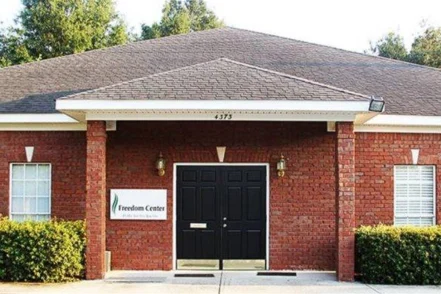
Freedom Center LLC
4373 Downtowner Loop South, Mobile, AL 36609
-
 Alabama
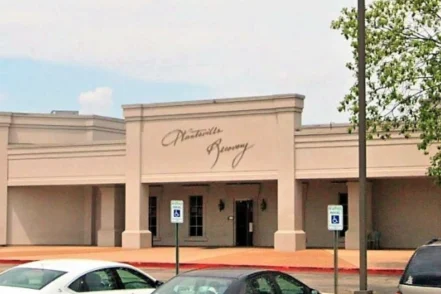
BHG Huntsville Treatment Center
4040 Independence Drive Northwest, Huntsville, AL 35816
-
 Alabama
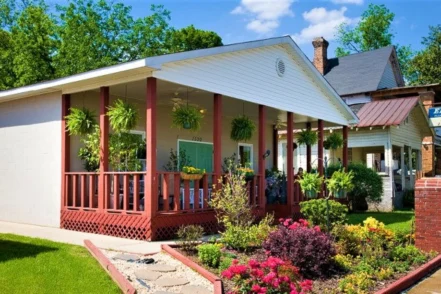
ALR Soberlife
1520 2nd Avenue North Bessemer, Alabama 35020
-
 Alabama
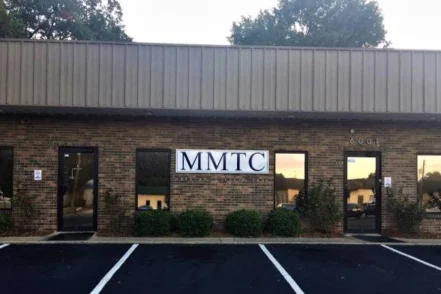
New Season Montgomery Metro Treatment Center
6001 East Shirley Lane Montgomery, Alabama 36117
-
 Alabama
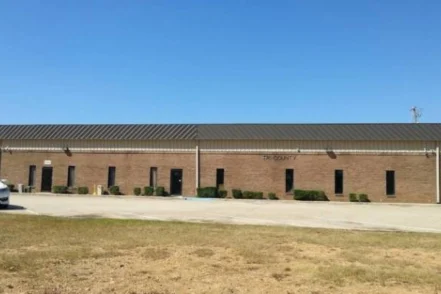
New Season Tri County Treatment Center
5605 Clifford Circle, Birmingham, AL 35210
-
 Alabama
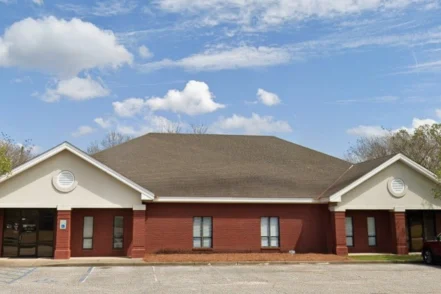
Bradford Health Services Montgomery
386 Saint Lukes Drive Montgomery, Alabama 36117
-
 Alabama
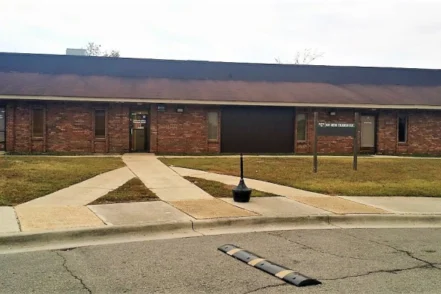
New Season Huntsville Metro Treatment Center
2227 Drake Avenue Southwest, 19, Huntsville, AL 35805
-
 Alabama
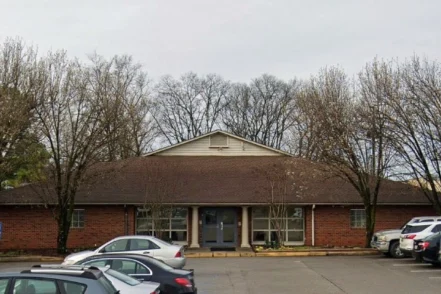
Aletheia House Outpatient Treatment
201 Finley Avenue West Birmingham, Alabama 35204
-
 Alabama
MedMark Treatment Centers Oxford
118 East Choccolocco Street Oxford, Alabama 36203
-
 Alabama
Family Life Center Huntsville
114 Mc Cormick Drive Northwest, Huntsville, AL 35811