
About JBS Mental Health Authority Birmingham
JBS Mental Health Authority Birmingham is a community mental health provider in Birmingham, Alabama, serving individuals and families across Jefferson, Blount and St. Clair counties. The nonprofit authority offers crisis stabilization, outpatient mental health care, residential support and specialized programs for children, youth and adults with mental health and substance use needs. Clients appreciate the commitment to access, with a sliding fee scale ensuring no one is turned away due to inability to pay.
What Mental Health and Addiction Services Does JBS Mental Health Authority Offer?
JBS provides crisis stabilization for adults experiencing mental health or substance use crises through the Craig Crisis Care Center, a rapid access outpatient clinic, the Brief Psychiatric Care Clinic, which connects people to care in up to 90 days and a full residential continuum including group homes, transitional housing and independent living apartments.
Specialized programs include ProACT assertive community treatment, the NOVA early intervention program for youth and young adults with first episode psychosis, ages 15 to 25 years and culturally appropriate services for Deaf and Hard of Hearing individuals.
Treatment for Serious Mental Illness and Co-Occurring Disorders
The authority serves children as young as 5 years, adolescents and adults with serious mental illness or co-occurring mental health and substance use challenges. Specialized tracks are available for young people experiencing their first psychotic episode and for Deaf and Hard of Hearing individuals needing linguistically matched care.
How Does Payment Work?
The main office is at 940 Montclair Road in Birmingham, with additional access points including the Brief Psychiatric Care Clinic at 1230 3rd Avenue South and the Craig Crisis Care Center at 401 Beacon Parkway West.
JBS uses a sliding fee schedule based on ability to pay and welcomes individuals with or without insurance. No one is denied services due to financial barriers.
Contact JBS Mental Health Authority in Birmingham for an assessment, crisis support, or referral to the right program for your needs.
Addiction Treatment Programs

Dual Diagnosis
A dual diagnosis is when you have a mental health diagnosis along with a substance use disorder. Getting integrated rehab in Alabama is essential to long-term recovery. A dual diagnosis program uses evidence-based approaches to help you overcome both your mental health concerns and substance use. This may include mental health medication, counseling, and more.

Young Adult Rehab
Choosing a young adult rehab in Alabama can be a great way to learn new life skills while also addressing substance use. A young adult program gives you the skills you need to overcome addiction and address the unique challenges of transitioning from the teen years to adulthood.

Adult Program
Adulting can be hard. When you choose an adult program in Alabama, you get the support you need in overcoming addiction and building a successful life. An adult program gives you the skills you need to overcome addiction and address the unique challenges of managing your work, relating to your family, raising children, and balancing a variety of other responsibilities
Insurance Coverage

Medicaid
How do you pay for rehab in Alabama? If you qualify, a good option is Medicaid. Medicaid covers multiple levels of care, and you may have no out-of-pocket costs. However, you’ll need to choose a treatment center that accepts Medicaid.

Self-pay options
Using self-pay to pay for rehab in Alabama means paying the cost out of your own pocket. You might use a check or get a medical loan. Different types of care may have different fee structures.

Financing available
How do you pay for rehab in Alabama? If financing options are available, consider using them to help pay for the costs of treatment. Treatment centers may have financing options such as payment plans, grants, or scholarships. You may also decide to get a medical loan to pay for treatment.

Sliding scale payment assistance
If you’re struggling to pay for rehab in Alabama, a sliding scale payment plan can help. You qualify for a lower fee for detox, inpatient treatment, or outpatient care based on your income and family size.
Levels of Care
- 1
Outpatient Rehab
Outpatient treatment in Alabama allows clients to live at home or in a sober living facility while attending treatment. Outpatient treatment sessions generally last 60 to 90 minutes and may include discussing a specific issue, sharing wins and challenges, education about specific topics, or developing life skills.
Therapies

Cognitive Behavior Therapy
In Alabama, cognitive behavioral therapy (CBT) is widely used in addiction treatment. You’ll examine common thought distortions, identify learned negative behaviors, and develop the skills necessary to consciously choose a different reaction to each situation.

Family Therapy
Family therapy in Alabama helps clients overcome substance use by addressing the family conflicts and dysfunction that may contribute to addiction. Family therapy is only one element of rehab treatment, along with activities, peer support, individual and group counseling, relapse prevention, and more. Together, all these methods support you in establishing long-term recovery.

Group Therapy
Group therapy in Alabama helps clients overcome substance use by providing accountability and support. Group therapy sessions generally last 60 to 90 minutes and may include discussing a specific issue, sharing wins and challenges, education about specific topics, or developing life skills.

Individual Therapy
Attending individual therapy in Alabama is a way to work through your past and develop healthy coping skills, helping you establish long-term recovery. Individual therapy is a normal part of evidence-based treatment programs and may be a part of inpatient treatment, outpatient care, or both. Topics include processing past events that may have contributed to substance use, learning new life skills, and relapse prevention strategies.
Location
Contact JBS Mental Health Authority Birmingham

 Sponsored
Treatmentcentersdirectory.com regularly reviews this listing for accuracy but changes may occur between updates. For the most up-to-date information, please contact JBS Mental Health Authority Birmingham.
Top Drug Rehab Centers in Alabama
-
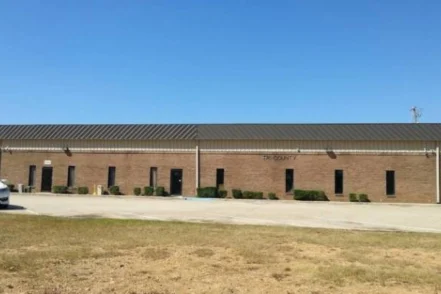 Alabama
New Season Tri County Treatment Center
5605 Clifford Circle, Birmingham, AL 35210
-
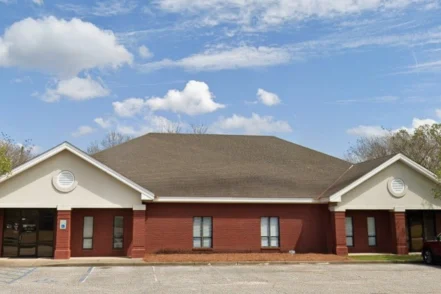 Alabama
Bradford Health Services Montgomery
386 Saint Lukes Drive Montgomery, Alabama 36117
-
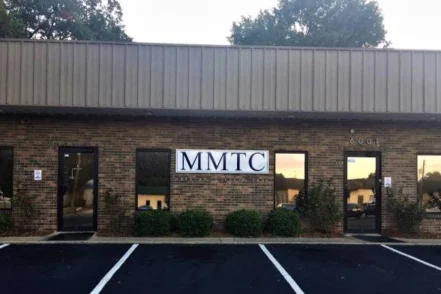 Alabama
New Season Montgomery Metro Treatment Center
6001 East Shirley Lane Montgomery, Alabama 36117
-
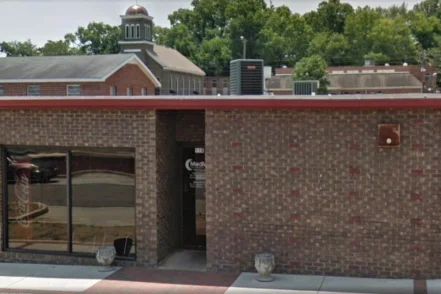 Alabama
MedMark Treatment Centers Oxford
118 East Choccolocco Street Oxford, Alabama 36203
-
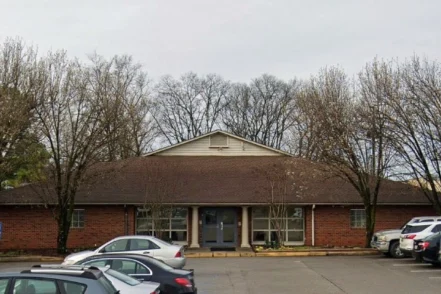 Alabama
Aletheia House Outpatient Treatment
201 Finley Avenue West Birmingham, Alabama 35204
-
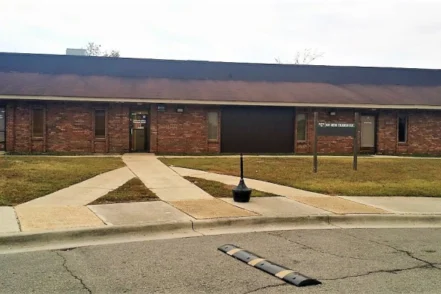 Alabama
New Season Huntsville Metro Treatment Center
2227 Drake Avenue Southwest, 19, Huntsville, AL 35805
-
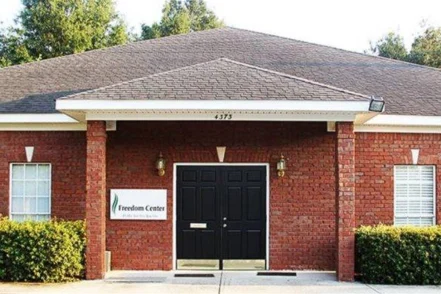 Alabama
Freedom Center LLC
4373 Downtowner Loop South, Mobile, AL 36609
-
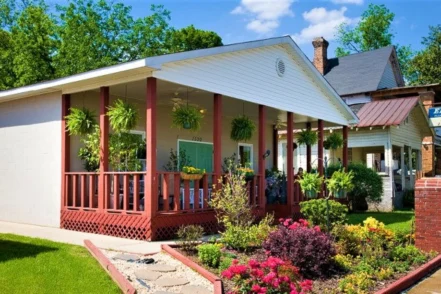 Alabama
ALR Soberlife
1520 2nd Avenue North Bessemer, Alabama 35020
-
 Alabama
Family Life Center Huntsville
114 Mc Cormick Drive Northwest, Huntsville, AL 35811
-
 Alabama
BHG Huntsville Treatment Center
4040 Independence Drive Northwest, Huntsville, AL 35816