
About Journey Mental Health Center Community Treatment Alternatives
Journey Mental Health Center Community Treatment Alternatives (CTA CSP) is a community based behavioral health and substance use treatment program in Madison, Wisconsin. Built around the evidence based Assertive Community Treatment (ACT) model this Community Support Program serves adults living with severe mental illness including those affected by co-occurring substance use.
Behavioral Health and Substance Use Programs at CTA CSP
Care is delivered in the community through a Community Support Program using the ACT model offering clients continuous, coordinated support outside of a traditional facility. Services begin with assessment and may include substance use assessment and referral for those managing addiction alongside mental health needs.
Clients can expect counseling and medication evaluation and monitoring, case management, and trauma-informed care. The program also extends into practical daily-life supports helping clients build the skills and stability needed to sustain recovery.
Quick Facts About CTA CSP
- Location: Madison, Wisconsin, operating as a Dane County contracted provider.
- Program model: Community based Community Support Program using the ACT model.
- Who they treat: Adults with severe mental illness, including justice involved clients and those with co-occurring substance use.
- Approach: Trauma informed, multidisciplinary care with counseling and medication management.
- Support services: Housing navigation, employment and education services, financial skills, and daily living assistance.
- Payment options: Wisconsin Medicaid/BadgerCare, Medicare, and commercial plans including Quartz, Dean, and Group Health Cooperative.
Addiction Treatment Programs

Dual Diagnosis
If you have both a mental health condition and substance use disorder, you need dual diagnosis treatment in Wisconsin to address both issues together. Whether you need detox, inpatient treatment, or outpatient care, a dual diagnosis program will offer specific support for your mental health needs alongside traditional substance use treatment.

Adult Program
An adult program in Wisconsin can help clients make healthier life choices and avoid common mistakes. Whether you need detox, inpatient treatment, or outpatient care, an adult program will offer specific support for your emotional, mental, and social needs.

Senior Rehab
If you’re older and struggling with substance use, consider a senior rehab in Wisconsin. They can help you address your unique challenges and break free from addiction. Whether you need detox, inpatient treatment, or outpatient care, a senior program will offer specific support for your physical, emotional, mental, and social needs.

LGBTQ Friendly Rehab
If you’re a member of the LGBTQ+ community struggling with substance use, consider an LGBTQ+ friendly rehab in Wisconsin. These programs offer personalized treatment that incorporates your physical, mental, and emotional needs. You’ll find the compassionate care you need to overcome addiction.

Men's Rehab
When people join a men’s rehab in Wisconsin, they are able to tackle gender-specific issues while receiving treatment. Whether you need detox, inpatient treatment, or outpatient care, a men’s program will offer specific support for your emotional, mental, and social needs.

Women's Rehab
A women’s rehab in Wisconsin can provide every level of care while addressing the unique needs of women. Whether you need detox, inpatient treatment, or outpatient care, a women’s program will offer specific support for your emotional, mental, and social needs.

Young Adult Rehab
If you’re a young adult struggling with substance use, consider a young adult rehab program in Wisconsin. Whether you need detox, inpatient treatment, or outpatient care, a young adult program will offer specific support for your emotional, mental, and social needs.
Insurance Coverage

Medicaid
How do you pay for rehab in Wisconsin? If you qualify, a good option is Medicaid. Medicaid covers multiple levels of care, and you may have no out-of-pocket costs. However, you’ll need to choose a treatment center that accepts Medicaid.

Private insurance
There are many ways to pay for rehab in Wisconsin. One option is private insurance. Different plans have different coverage levels, so be sure to check with your insurance company for details. You may be responsible for certain costs, such as copayments and deductibles.

Self-pay options
In Wisconsin, you have multiple options for paying for rehab, one of which is self-pay. When you use a medical loan, write a check, or electronically transfer money, you have maximum freedom in choosing the treatment center you prefer.

Financial aid
Those wondering how to pay for rehab in Wisconsin may benefit from looking for financial aid programs. Paying for detox, inpatient rehab, or outpatient care is much easier if you get a grant or scholarship from the center or a local non-profit or community organization.

Financing available
If you’re struggling to pay for rehab treatment in Wisconsin, consider asking if financing options are available. When you finance the cost of treatment, you can pay the cost over time. This makes getting the help you need more affordable. Options include payment plans, grants, loans, and scholarships.

Sliding scale payment assistance
Finding a rehab in Wisconsin with a sliding scale payment plan can help make treatment more affordable. A sliding scale allows those in need to pay less for treatment based on their income and family size. You may have to provide financial documentation.

Medicare
Paying for rehab in Oklahoma can be done in multiple ways, including using Medicare. You may have out-of-pocket costs such as a deductible or copay, and you’ll want to look for a treatment center that accepts your Medicare coverage.

Military insurance
If you have military insurance in Wisconsin, you can use your coverage to help pay for rehab treatment. Because plans vary, be sure to contact the insurer to find out what centers are in-network with your coverage and to find out what out-of-pocket costs you might be responsible for.
Levels of Care
- 1
Outpatient Rehab
Outpatient treatment in Wisconsin can provide a great way to practice and reinforce new habits formed in residential rehab programs. Building a new life for yourself takes time, and it’s important to have enough support throughout the process. Outpatient treatment allows you to have more intensive or less intensive help, depending on your needs.
Therapies

Cognitive Behavior Therapy
The goal of cognitive behavioral therapy (CBT) in Wisconsin is to address negative thinking patterns to create positive change. Substance use treatment includes detox, inpatient treatment, and outpatient care, and CBT may be a part of each of these stages. The goal is to help clients identify disorted thinking, replace it with rational thinking, and change their response accordingly.

Dialectical Behavior Therapy
The goal of dialectical behavioral therapy (DBT) in Wisconsin is to help you recognize your strengths and embrace your ability to create positive change. Substance use treatment includes detox, inpatient treatment, and outpatient care, and DBT may be a part of each of these stages. The goal is to help clients develop the skills they need to solve the problems they face without substance use.

Group Therapy
Group therapy in Wisconsin can provide encouragement, support, and accountability as you work through substance use treatment. Substance use treatment includes detox, inpatient treatment, and outpatient care, and group therapy may be a part of each of these stages. The goal is to help clients support each other, provide accountability, and relate to each other’s experiences.

Individual Therapy
During individual therapy in Wisconsin, clients have a confidential environment to work through their struggles with a professional. Some of the topics covered in individual therapy include developing healthy coping skills, addressing past events that may have played a part in substance use, and building a support network.

Trauma Therapy
Talking about what you’ve been through and how it impacted you is an important way to heal, and trauma-informed therapy in Wisconsin gives you that opportunity. Both inpatient treatment and outpatient care can include trauma-informed therapy, which helps you create a feeling of safety, access peer support, embrace the validity of your feelings, and create healthy coping skills.
Location
Contact Journey Mental Health Center Community Treatment Alternatives

 Sponsored
Treatmentcentersdirectory.com regularly reviews this listing for accuracy but changes may occur between updates. For the most up-to-date information, please contact Journey Mental Health Center Community Treatment Alternatives.
Top Drug Rehab Centers in Wisconsin
-
 Wisconsin
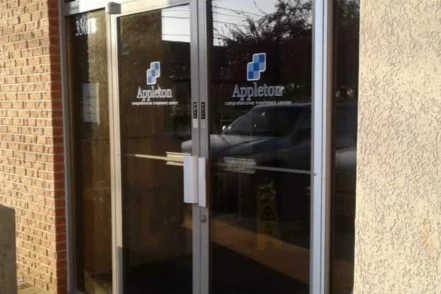
Appleton Comprehensive Treatment Center
3301 North Ballard Road, # B, Appleton, WI 54911
-
 Wisconsin
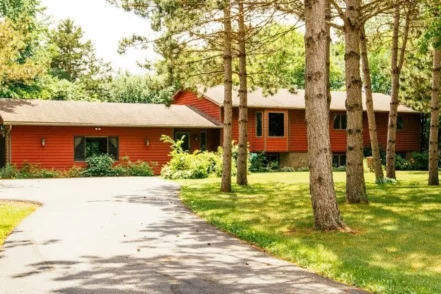
Burkwood Treatment Center
615 Old Mill Road, Hudson, WI 54016
-
 Wisconsin
WisHope Recovery Center
223 Wisconsin Avenue, unit a, Waukesha, WI 53186
-
 Wisconsin
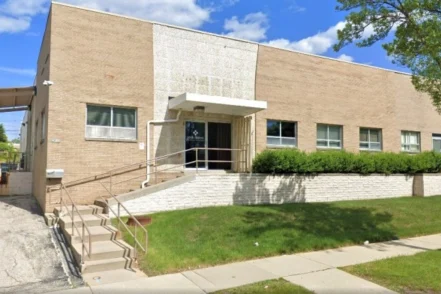
10th Street Comprehensive Treatment Center
4800 South 10th Street, Milwaukee, WI 53221
-
 Wisconsin
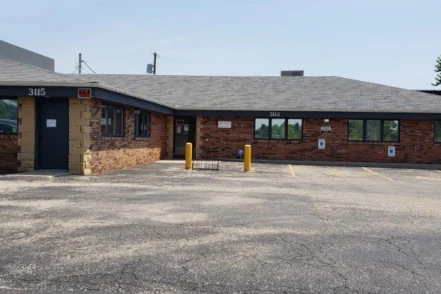
Psychological Addiction Services
3113 East Washington Avenue, Madison, WI 53704
-
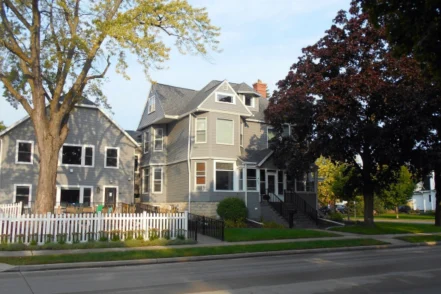 Wisconsin
Beacon House
166 South Park Avenue Fond du Lac, Wisconsin 54935
-
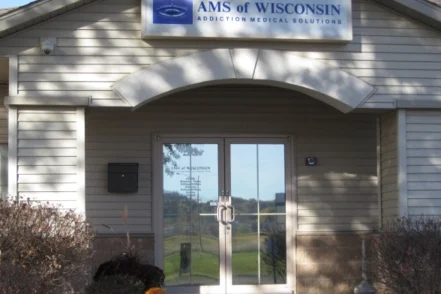 Wisconsin
AMS
9532 East 16 Frontage Road Onalaska, Wisconsin 54650
-
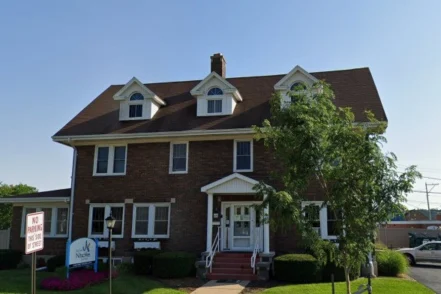 Wisconsin
Jackie Nitschke Center
630 Cherry Street, Green Bay, WI 54301
-
 Wisconsin
Blandine House
25 North Park Avenue, Fond du Lac, WI 54935
-
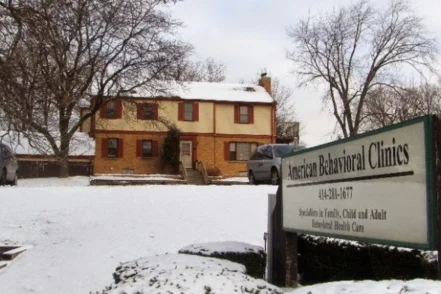 Wisconsin
American Behavioral Clinic West Layton Avenue
7330 West Layton Avenue Milwaukee, Wisconsin 53220