
About ARC Maternal and Infant Program
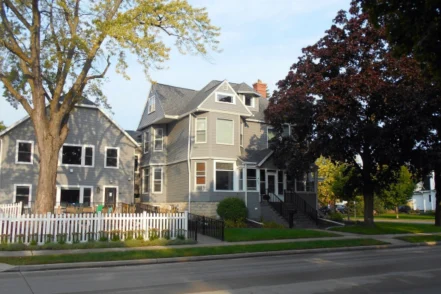
ARC Maternal and Infant Program offers a residential addiction facility for pregnant and postpartum women and their infant children in Madison, Wisconsin. The program removes treatment barriers by allowing women to have their children with them in a stable setting where they can focus on healing.
They accept various health insurance plans, including BadgerCare Plus and Medicaid. They also offer assistance to guests who cannot afford to pay for treatment.
Time for Recovery
The ARC program allows women and their infant children to stay for 60 to 90 days depending on the severity of symptoms and individual needs. Guests have time to focus on healing without outside distractions and are not separated from their babies.
During the program, women develop life skills that may help them with permanent job placement, stress reduction and working with others in a team environment. They also have access to medical support and mental health services in one location.
Support for Lasting Sobriety
The center includes group therapy sessions, where women can share their challenges and struggles with others who understand their unique issues and backgrounds. Therapy may help them recognize substance use triggers, learn coping strategies and avoid relapse after leaving the program. Counselors focus on addressing the potential underlying causes of substance use so guests can work through them for sustained recovery.
The team collaborates with other community resource providers, such as the Urban League of Greater Madison, to help with continued recovery assistance and child services. Former clients have reported feeling supported and welcomed in a nonjudgmental atmosphere. Others even credit the center for regaining child custody.
Addiction Treatment Programs

Alcohol Rehab
If you’re struggling with your alcohol use, consider an alcohol rehab in Wisconsin. Whether you need detox, inpatient treatment, or outpatient care, an alcohol program will help you build a new lifestyle based on healthy coping mechanisms, better relationships, and a new way of thinking about life.

Dual Diagnosis
If you have both a mental health condition and substance use disorder, you need dual diagnosis treatment in Wisconsin to address both issues together. Whether you need detox, inpatient treatment, or outpatient care, a dual diagnosis program will offer specific support for your mental health needs alongside traditional substance use treatment.

Opioid Addiction
If your life has been negatively impacted by opioid addiction, a high-quality rehab in Wisconsin can help. During this program, you’ll work with professional counselors to deal with the psychological, emotional, and physical issues that opioid misuse can cause. Over time, you’ll learn how to live without substance use long-term.

Adult Program
An adult program in Wisconsin can help clients make healthier life choices and avoid common mistakes. Whether you need detox, inpatient treatment, or outpatient care, an adult program will offer specific support for your emotional, mental, and social needs.

Women's Rehab
A women’s rehab in Wisconsin can provide every level of care while addressing the unique needs of women. Whether you need detox, inpatient treatment, or outpatient care, a women’s program will offer specific support for your emotional, mental, and social needs.

Young Adult Rehab
If you’re a young adult struggling with substance use, consider a young adult rehab program in Wisconsin. Whether you need detox, inpatient treatment, or outpatient care, a young adult program will offer specific support for your emotional, mental, and social needs.

Pregnant & Postpartum
This Dane County residential program is designed specifically for pregnant women and mothers with infants, combining substance use disorder treatment with parenting education and child development support.
Family Program
ARC Maternal and Infant Program keeps mothers and babies together during residential treatment, coordinating with medical and community providers to support family-centered recovery and stability in Madison, WI.
Insurance Coverage

Medicaid
How do you pay for rehab in Wisconsin? If you qualify, a good option is Medicaid. Medicaid covers multiple levels of care, and you may have no out-of-pocket costs. However, you’ll need to choose a treatment center that accepts Medicaid.

Private insurance
There are many ways to pay for rehab in Wisconsin. One option is private insurance. Different plans have different coverage levels, so be sure to check with your insurance company for details. You may be responsible for certain costs, such as copayments and deductibles.

Self-pay options
In Wisconsin, you have multiple options for paying for rehab, one of which is self-pay. When you use a medical loan, write a check, or electronically transfer money, you have maximum freedom in choosing the treatment center you prefer.

Financing available
If you’re struggling to pay for rehab treatment in Wisconsin, consider asking if financing options are available. When you finance the cost of treatment, you can pay the cost over time. This makes getting the help you need more affordable. Options include payment plans, grants, loans, and scholarships.

Free
If you are struggling to pay for addiction treatment in Wisconsin, consider looking for free rehab. As you look at options, make sure you choose a program run by qualified professionals that uses evidence-based treatment. Free rehabs are often run by the state or county.

Financial aid
Those wondering how to pay for rehab in Wisconsin may benefit from looking for financial aid programs. Paying for detox, inpatient rehab, or outpatient care is much easier if you get a grant or scholarship from the center or a local non-profit or community organization.
Levels of Care
- 1
Inpatient Rehab
ARC Maternal and Infant Program offers residential treatment in Madison, Wisconsin, providing a structured, 24-hour supportive environment where pregnant women and mothers recover while living with their infants.
- 2
Outpatient Rehab
Outpatient treatment in Wisconsin can provide a great way to practice and reinforce new habits formed in residential rehab programs. Building a new life for yourself takes time, and it’s important to have enough support throughout the process. Outpatient treatment allows you to have more intensive or less intensive help, depending on your needs.
- 3
Aftercare Support
It’s easy to wonder what’s next after treatment, but fortunately, aftercare in Wisconsin can provide ongoing support. Some aftercare programs will help you connect to community resources and social services in your area, from housing to healthcare to financial assistance.
Therapies

Cognitive Behavior Therapy
The goal of cognitive behavioral therapy (CBT) in Wisconsin is to address negative thinking patterns to create positive change. Substance use treatment includes detox, inpatient treatment, and outpatient care, and CBT may be a part of each of these stages. The goal is to help clients identify disorted thinking, replace it with rational thinking, and change their response accordingly.

Dialectical Behavior Therapy
The goal of dialectical behavioral therapy (DBT) in Wisconsin is to help you recognize your strengths and embrace your ability to create positive change. Substance use treatment includes detox, inpatient treatment, and outpatient care, and DBT may be a part of each of these stages. The goal is to help clients develop the skills they need to solve the problems they face without substance use.

Experiential Therapy
Experiential therapy in Wisconsin involves activities that allow you to build confidence in your ability to make positive changes. By participating in art, music, or physical activities like hiking, you can learn to face internal issues without turning to substance use. Instead, you’ll develop healthy coping mechanisms.

Family Therapy
Family therapy in Wisconsin can address conflicts in your family so your loved ones can help provide encouragement, support, and accountability as you work through substance use treatment. There are several goals in family therapy. Some sessions may be focused on specific past events, while others address current broken relationships or how good intentions have gone astray. Over time, family relationships can be restored, making recovery easier.

Group Therapy
Residents participate in structured group counseling sessions covering recovery topics, education, and shared support among mothers navigating substance use treatment together at the Madison facility.

Individual Therapy
Women at ARC Maternal and Infant Program receive individual counseling sessions focused on substance use recovery, addressing personal recovery goals alongside the challenges of pregnancy or new motherhood.

Trauma Therapy
Talking about what you’ve been through and how it impacted you is an important way to heal, and trauma-informed therapy in Wisconsin gives you that opportunity. Both inpatient treatment and outpatient care can include trauma-informed therapy, which helps you create a feeling of safety, access peer support, embrace the validity of your feelings, and create healthy coping skills.
Life Skills
The Madison, Wisconsin program teaches parenting and daily life skills, helping mothers build the practical foundation needed to care for infants while progressing through residential recovery treatment.
Accreditations

Location
Contact ARC Maternal and Infant Program


 Sponsored
Treatmentcentersdirectory.com regularly reviews this listing for accuracy but changes may occur between updates. For the most up-to-date information, please contact ARC Maternal and Infant Program.
Top Drug Rehab Centers in Wisconsin
-
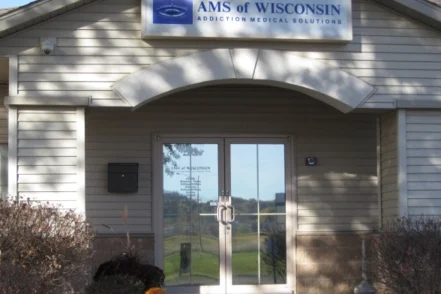 Wisconsin
AMS
9532 East 16 Frontage Road Onalaska, Wisconsin 54650
-
 Wisconsin
Blandine House
25 North Park Avenue, Fond du Lac, WI 54935
-
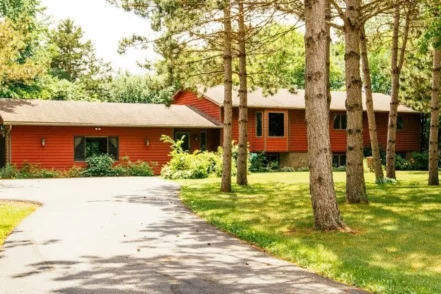 Wisconsin
Burkwood Treatment Center
615 Old Mill Road, Hudson, WI 54016
-
 Wisconsin
WisHope Recovery Center
223 Wisconsin Avenue, unit a, Waukesha, WI 53186
-
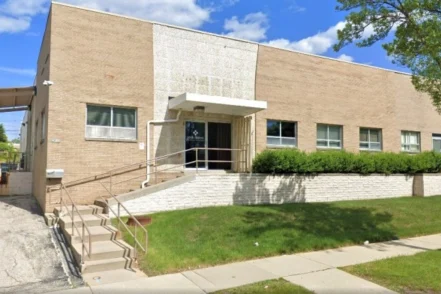 Wisconsin
10th Street Comprehensive Treatment Center
4800 South 10th Street, Milwaukee, WI 53221
-
 Wisconsin
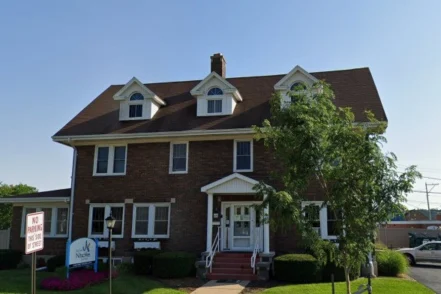
Jackie Nitschke Center
630 Cherry Street, Green Bay, WI 54301
-
 Wisconsin
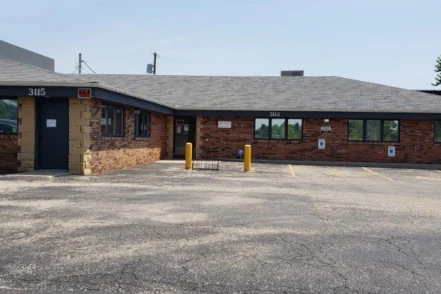
Psychological Addiction Services
3113 East Washington Avenue, Madison, WI 53704
-
 Wisconsin
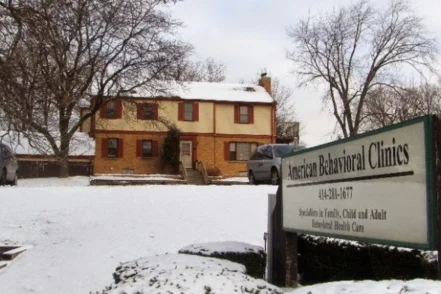
American Behavioral Clinic West Layton Avenue
7330 West Layton Avenue Milwaukee, Wisconsin 53220
-
 Wisconsin
Appleton Comprehensive Treatment Center
3301 North Ballard Road, # B, Appleton, WI 54911
-
 Wisconsin
Beacon House
166 South Park Avenue Fond du Lac, Wisconsin 54935