
About Lutheran Social Services: Fahrman Center (Addiction Services)
Lutheran Social Services: Fahrman Center is a long standing residential drug and alcohol rehab in Eau Claire, Wisconsin, offering substance use disorder treatment for adults in the Chippewa Valley.
Located at 3136 Craig Road, the program provides residential inpatient care and transitional housing, including services for clients referred through correctional systems.
With nearly 50 years of regional service, Fahrman Center delivers structured, community based recovery support grounded in evidence based clinical care.
Substance Use Treatment Programs at Fahrman Center
Treatment typically begins with a substance use assessment to determine the right level of care. From there, adults can enter the 42 bed co-ed residential program, which provides a structured, supportive environment licensed under Wisconsin DHS 83 and DHS 75 standards.
Clients can expect a combination of individual, group and family counseling, with therapeutic approaches that may include cognitive behavioral therapy, motivational interviewing, relapse prevention and 12 step support.
Transitional residential services help clients step down from inpatient care while continuing to build recovery skills and stability.
Quick Facts About Fahrman Center
Fahrman Center is located on Craig Road in Eau Claire, Wisconsin, serving the Chippewa Valley region. Levels of care include residential inpatient and transitional residential substance use treatment.
The program treats adult men and women, including clients referred by the Wisconsin Department of Corrections. Its approach includes evidence based therapies such as CBT, motivational interviewing and relapse prevention.
Payment options include Medicaid, self pay and county referrals. The setting is a 42 bed co ed community based residential care facility with recreational programming.
The program has provided service for nearly 50 years and has operated at its current site since 1987.
Starting Treatment in Eau Claire
Admission to Fahrman Center in Eau Claire, Wisconsin typically begins with an assessment and intake conversation to determine eligibility and program fit.
The admissions team can review available levels of care, county referral pathways and payment options including Medicaid and self pay.
Addiction Treatment Programs

Adult Program
An adult program in Wisconsin can help clients make healthier life choices and avoid common mistakes. Whether you need detox, inpatient treatment, or outpatient care, an adult program will offer specific support for your emotional, mental, and social needs.

Young Adult Rehab
If you’re a young adult struggling with substance use, consider a young adult rehab program in Wisconsin. Whether you need detox, inpatient treatment, or outpatient care, a young adult program will offer specific support for your emotional, mental, and social needs.

Men's Rehab
When people join a men’s rehab in Wisconsin, they are able to tackle gender-specific issues while receiving treatment. Whether you need detox, inpatient treatment, or outpatient care, a men’s program will offer specific support for your emotional, mental, and social needs.

Women's Rehab
A women’s rehab in Wisconsin can provide every level of care while addressing the unique needs of women. Whether you need detox, inpatient treatment, or outpatient care, a women’s program will offer specific support for your emotional, mental, and social needs.

Alcohol Rehab
If you’re struggling with your alcohol use, consider an alcohol rehab in Wisconsin. Whether you need detox, inpatient treatment, or outpatient care, an alcohol program will help you build a new lifestyle based on healthy coping mechanisms, better relationships, and a new way of thinking about life.

Opioid Addiction
If your life has been negatively impacted by opioid addiction, a high-quality rehab in Wisconsin can help. During this program, you’ll work with professional counselors to deal with the psychological, emotional, and physical issues that opioid misuse can cause. Over time, you’ll learn how to live without substance use long-term.

Drug Rehab
The best way to achieve recovery from substance use disorder is by completing a high-quality drug rehab in Wisconsin and applying the tools you learn to stay in recovery. In a drug treatment program you’ll not only receive treatment, but you’ll participate in activities, receive peer support, and learn how to have fun without substance use.
Insurance Coverage

Medicaid
How do you pay for rehab in Wisconsin? If you qualify, a good option is Medicaid. Medicaid covers multiple levels of care, and you may have no out-of-pocket costs. However, you’ll need to choose a treatment center that accepts Medicaid.

Private insurance
There are many ways to pay for rehab in Wisconsin. One option is private insurance. Different plans have different coverage levels, so be sure to check with your insurance company for details. You may be responsible for certain costs, such as copayments and deductibles.

Self-pay options
In Wisconsin, you have multiple options for paying for rehab, one of which is self-pay. When you use a medical loan, write a check, or electronically transfer money, you have maximum freedom in choosing the treatment center you prefer.
Levels of Care
- 1
Inpatient Rehab
During inpatient treatment in Wisconsin, clients receive evidence-based treatment while living full-time at the facility. During inpatient treatment, clients are able to work on their recovery through counseling, activities, and holistic treatment like mindfulness, art therapy, and more.
- 2
Outpatient Rehab
Outpatient treatment in Wisconsin can provide a great way to practice and reinforce new habits formed in residential rehab programs. Building a new life for yourself takes time, and it’s important to have enough support throughout the process. Outpatient treatment allows you to have more intensive or less intensive help, depending on your needs.
Therapies

Individual Therapy
During individual therapy in Wisconsin, clients have a confidential environment to work through their struggles with a professional. Some of the topics covered in individual therapy include developing healthy coping skills, addressing past events that may have played a part in substance use, and building a support network.

Group Therapy
Group therapy in Wisconsin can provide encouragement, support, and accountability as you work through substance use treatment. Substance use treatment includes detox, inpatient treatment, and outpatient care, and group therapy may be a part of each of these stages. The goal is to help clients support each other, provide accountability, and relate to each other’s experiences.

Family Therapy
Family therapy in Wisconsin can address conflicts in your family so your loved ones can help provide encouragement, support, and accountability as you work through substance use treatment. There are several goals in family therapy. Some sessions may be focused on specific past events, while others address current broken relationships or how good intentions have gone astray. Over time, family relationships can be restored, making recovery easier.

Trauma Therapy
Talking about what you’ve been through and how it impacted you is an important way to heal, and trauma-informed therapy in Wisconsin gives you that opportunity. Both inpatient treatment and outpatient care can include trauma-informed therapy, which helps you create a feeling of safety, access peer support, embrace the validity of your feelings, and create healthy coping skills.

Cognitive Behavior Therapy
The goal of cognitive behavioral therapy (CBT) in Wisconsin is to address negative thinking patterns to create positive change. Substance use treatment includes detox, inpatient treatment, and outpatient care, and CBT may be a part of each of these stages. The goal is to help clients identify disorted thinking, replace it with rational thinking, and change their response accordingly.

Dialectical Behavior Therapy
The goal of dialectical behavioral therapy (DBT) in Wisconsin is to help you recognize your strengths and embrace your ability to create positive change. Substance use treatment includes detox, inpatient treatment, and outpatient care, and DBT may be a part of each of these stages. The goal is to help clients develop the skills they need to solve the problems they face without substance use.

Eye Movement Desensitization and Reprocessing
Accreditations


Location
Contact Lutheran Social Services: Fahrman Center (Addiction Services)

 Sponsored
Treatmentcentersdirectory.com regularly reviews this listing for accuracy but changes may occur between updates. For the most up-to-date information, please contact Lutheran Social Services: Fahrman Center (Addiction Services).
Top Drug Rehab Centers in Wisconsin
-
 Wisconsin
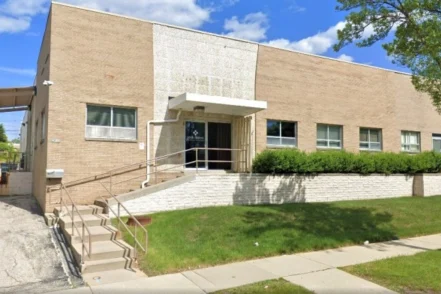
10th Street Comprehensive Treatment Center
4800 South 10th Street, Milwaukee, WI 53221
-
 Wisconsin
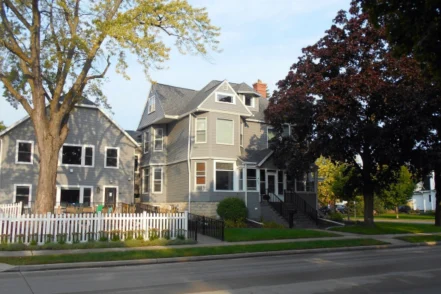
Beacon House
166 South Park Avenue Fond du Lac, Wisconsin 54935
-
 Wisconsin
Blandine House
25 North Park Avenue, Fond du Lac, WI 54935
-
 Wisconsin
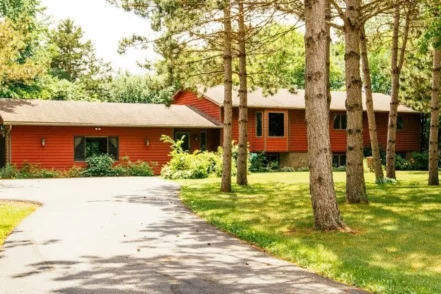
Burkwood Treatment Center
615 Old Mill Road, Hudson, WI 54016
-
 Wisconsin
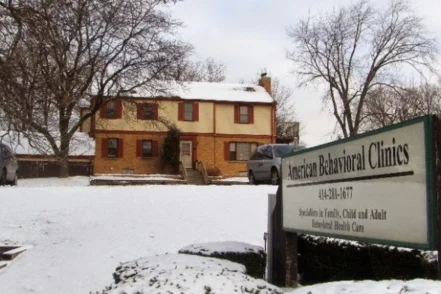
American Behavioral Clinic West Layton Avenue
7330 West Layton Avenue Milwaukee, Wisconsin 53220
-
 Wisconsin
WisHope Recovery Center
223 Wisconsin Avenue, unit a, Waukesha, WI 53186
-
 Wisconsin
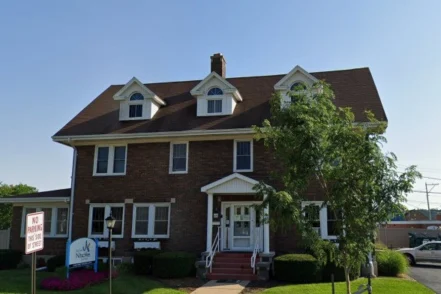
Jackie Nitschke Center
630 Cherry Street, Green Bay, WI 54301
-
 Wisconsin
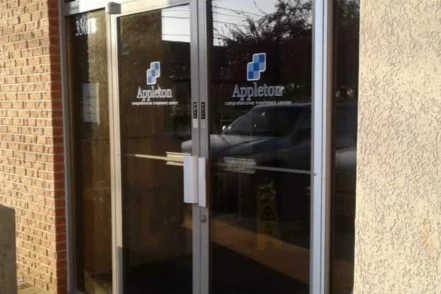
Appleton Comprehensive Treatment Center
3301 North Ballard Road, # B, Appleton, WI 54911
-
 Wisconsin
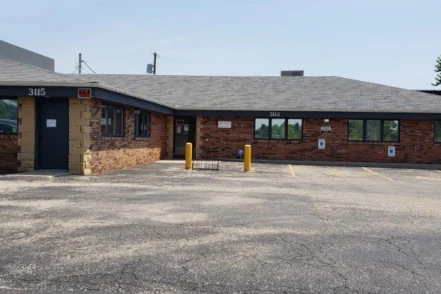
Psychological Addiction Services
3113 East Washington Avenue, Madison, WI 53704
-
 Wisconsin
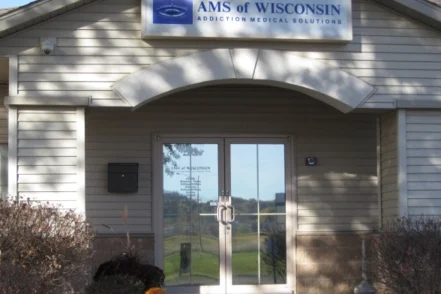
AMS
9532 East 16 Frontage Road Onalaska, Wisconsin 54650